




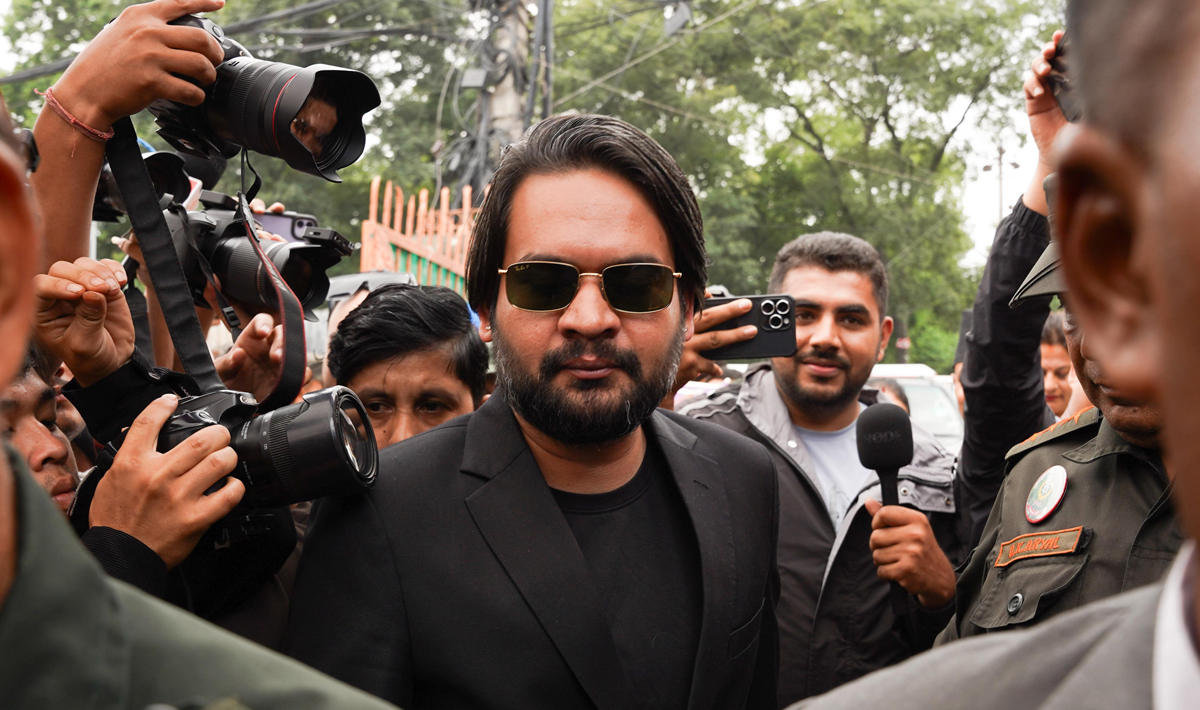
KATHMANDU: Balendra Shah, popularly known as Balen, who was elected Mayor of Kathmandu Metropolitan City in the local elections held in May 2022, resigned from his post on Sunday. He stepped down with the intention of contesting the House of Representatives election scheduled for March 5.
An understanding has reportedly been reached between the Rastriya Swatantra Party (RSP) and the Balen-led group to project him as a future prime ministerial candidate, while assigning him the role of a senior party leader. In line with this understanding, discussions are underway about him contesting the parliamentary election from either Kathmandu, Jhapa, or Mahottari.
Even though RSP leaders have said Balen will take on UML’s KP Sharma Oli in Jhapa, RSP has not yet finalized Balen’s constituency. By resigning as mayor, Balen has formally entered party politics after recently aligning with RSP.
Balen has gained significant popularity, especially among young voters, by challenging traditional political forces and arguing that established leadership has failed to govern the country effectively. As he positions himself as a potential prime ministerial candidate, scrutiny of his nearly four-year tenure as Kathmandu mayor has intensified.
Key questions are now being raised: How much of his election manifesto did he implement? Where did he succeed and where did he fail? Did his leadership set new standards for urban governance? And does his performance justify his ambition to lead the country?
What Balen promised
Ahead of the 2022 local elections, Balen released a six-page manifesto titled “My Commitments”, outlining plans across 28 major areas. These included education, health, infrastructure, traffic management, water management, women and children, tourism, pollution control, waste management, culture and heritage preservation, sports, green spaces, digital governance, innovation centers, anti-corruption mechanisms, promotion of Nepal Bhasa, and health insurance.
Strong start in education, health, culture, and sanitation

Balen’s tenure saw a notable start in public education reform. According to Kathmandu Metropolitan City’s Education Department, over 30,000 students in private schools received scholarships, while initiatives such as Book-Free Friday, digital boards in all schools, ICT labs, permanent teacher management, and improvements in early childhood classrooms were implemented.
Education Officer Netranarayan Poudel said governance, transparency, and quality improvements in community schools were among the key achievements of the past four years.
In healthcare, Metropolitan Health Department Chief Deepak Kumar KC said 32 urban health centers were established, along with laboratories and physiotherapy services. Health insurance was introduced in 10 centers, X-ray and video X-ray services were expanded, and home-based healthcare services for senior citizens were initiated. The metropolis also distributed ambulances to 35 local governments and operated 10 free ambulances within Kathmandu.
Cultural heritage preservation also featured prominently. The metropolitan government undertook restoration of heritage structures, conservation of traditional stone spouts (hitis), construction of traditional rest houses (falchas), and efforts to reclaim public land. According to Balen, 208 ropanis of land were recovered from private encroachment, though some river corridor projects remain stalled due to legal and coordination challenges.
Waste management marked another visible change. While long-term ownership of waste processing remains unresolved, improved deployment of sanitation workers and equipment made the city comparatively cleaner during his tenure.
Infrastructure improvements included fire hydrants in narrow alleys, road tiling, green space expansion, sports ground development, and the initiation of innovation centers, many of which were outlined in his manifesto.
Shortcomings and unresolved issues
Despite these improvements, significant weaknesses remain. Capital expenditure, a major challenge across Nepal, persisted during Balen’s tenure. In the previous fiscal year, Kathmandu Metropolitan City spent only 44.68 percent of its allocated capital budget.
Coordination with neighboring municipalities was another major shortfall. Balen’s manifesto proposed the “Greater Nepal Valley Cosmopolitan” concept, but his engagement with surrounding local governments remained limited. He did not actively participate in the Kathmandu Valley Mayors’ Forum, weakening regional collaboration.
Kathmandu Metropolitan City spokesperson Navin Manandhar described Balen’s overall tenure as “largely successful,” crediting him with changing the city’s outlook. However, he acknowledged gaps in public engagement and relations with elected representatives.
Looking ahead
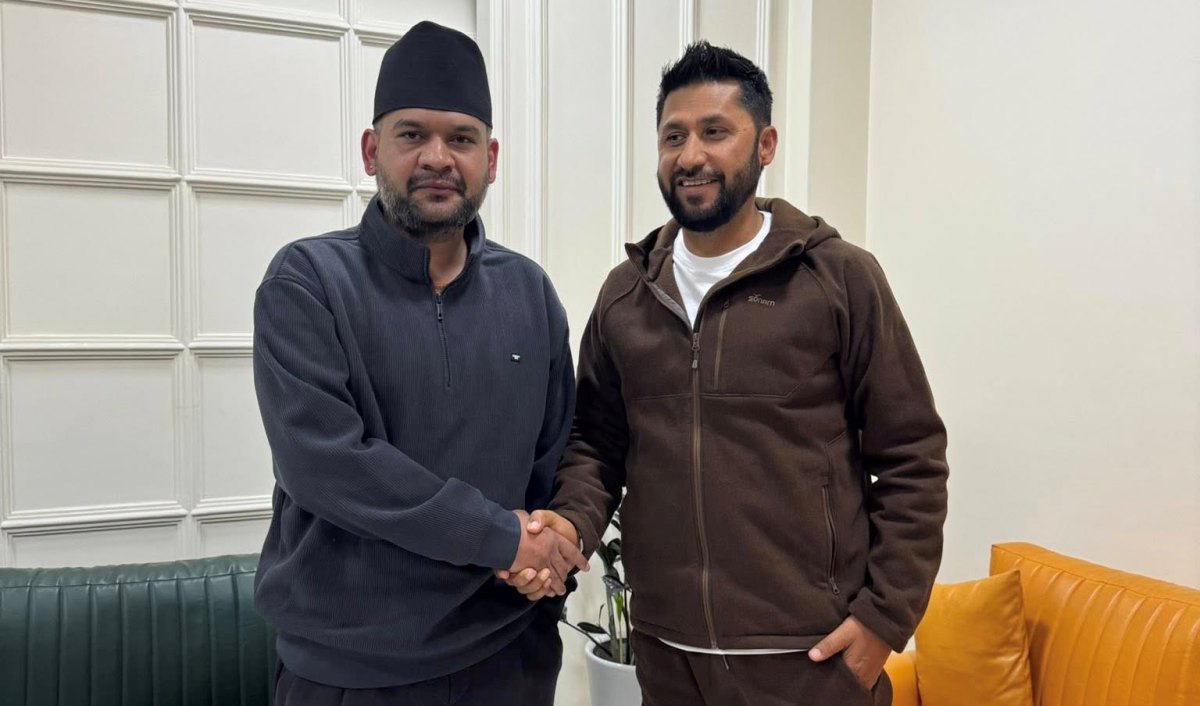
As Balen transitions from local to national politics, voters are increasingly weighing his achievements against his shortcomings. His mayoral tenure shows a mix of reformist ambition, visible improvements, and structural limitations.
Whether this record qualifies him to lead the country as a future prime minister will ultimately be decided by voters in the upcoming election. For now, Balen’s resignation marks a pivotal shift from city governance to national political ambition, placing his performance firmly under public scrutiny.




Comment