




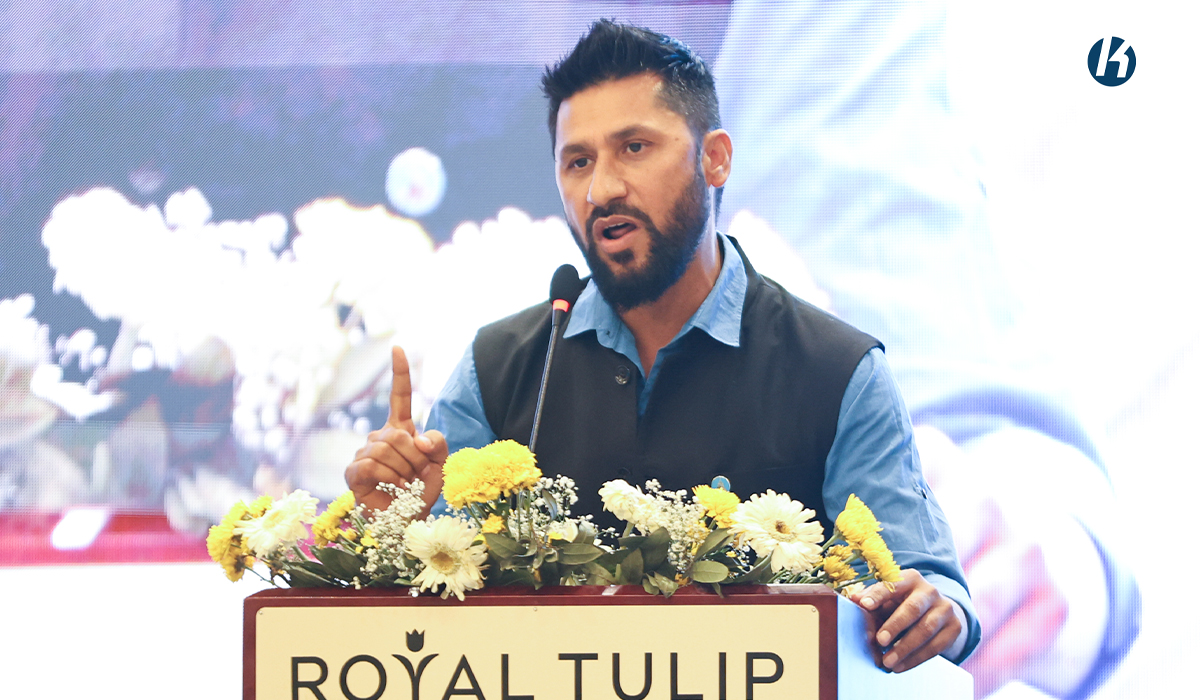
KATHMANDU: After a grueling election campaign, Rabi Lamichhane, chairperson of the Rastriya Swatantra Party, appeared composed, responsible, and mature as his party secured a historic majority.
Known previously for his aggressive, provocative, and often confrontational speeches, Lamichhane delivered a restrained address on Wednesday at the Royal Tulip Hotel. While he had often been openly critical of other political parties, the certainty of his party coming to power seemed to have tempered his tone this time.
Lamichhane addressed around 180 newly elected MPs, using a firm yet disciplined approach to instill lessons on responsibility and parliamentary decorum. Dressed in a kurta-suruwal and a waistcoat, he spoke with energy but also conveyed a strong sense of accountability.
Following the political shift after the Gen-Z movement on September 8 and 9, 2025, and public disenchantment with older parties, the Rastriya Swatantra Party secured nearly two-thirds of parliamentary seats in the March 5 elections, totaling 182 seats.
The prospect of forming a powerful single-party government appears to have prompted Lamichhane to moderate his style. Unlike past occasions when he criticized media, journalists, other parties, and industrialists in one sweep, he refrained from offending anyone during this session. His measured approach seemed aimed at building trust and demonstrating self-reflection. He encouraged RSP MPs to improve their conduct regardless of past mistakes.
Throughout his speech, Lamichhane emphasized a directive yet people-centered approach, cautioning MPs against succumbing to populism. Having himself agreed on a seven-point deal on December 28, 2025, to advance senior leader Balendra Shah as Prime Minister, he urged newly elected MPs to act with maturity and responsibility.
Lamichhane also stressed that MPs must be vigilant in all matters, warning that negligence could result in dismissal. During his roughly 35-minute address, he advised lawmakers to be mindful even in simple actions like eating, walking, speaking, or sitting.
This time, he did not attack other parties. Instead, he warned that taking power lightly would leave no room for failure, highlighting the five-year mandate for results. Pointing to voters’ long wait of 35–36 years for meaningful change, he urged RSP MPs to deliver tangible results within their first 36 months. Balendra Shah, expected to become Prime Minister, was not present at the orientation, citing prior commitments. He deliberately avoided placing himself at the center of the session.
Lamichhane consistently emphasized the public as the focus of all party efforts. He warned that if the party failed to fulfill promises, voters would hold them accountable in the next election. MPs were also encouraged to engage directly with communities in villages and neighborhoods, not just attend international conferences or seminars.
With 182 seats, Lamichhane demonstrated the authority and responsibility of a true ruling-party leader. He spoke kindly and avoided personal attacks but did not comment on the cooperative case linked to him.
Silent on government formation
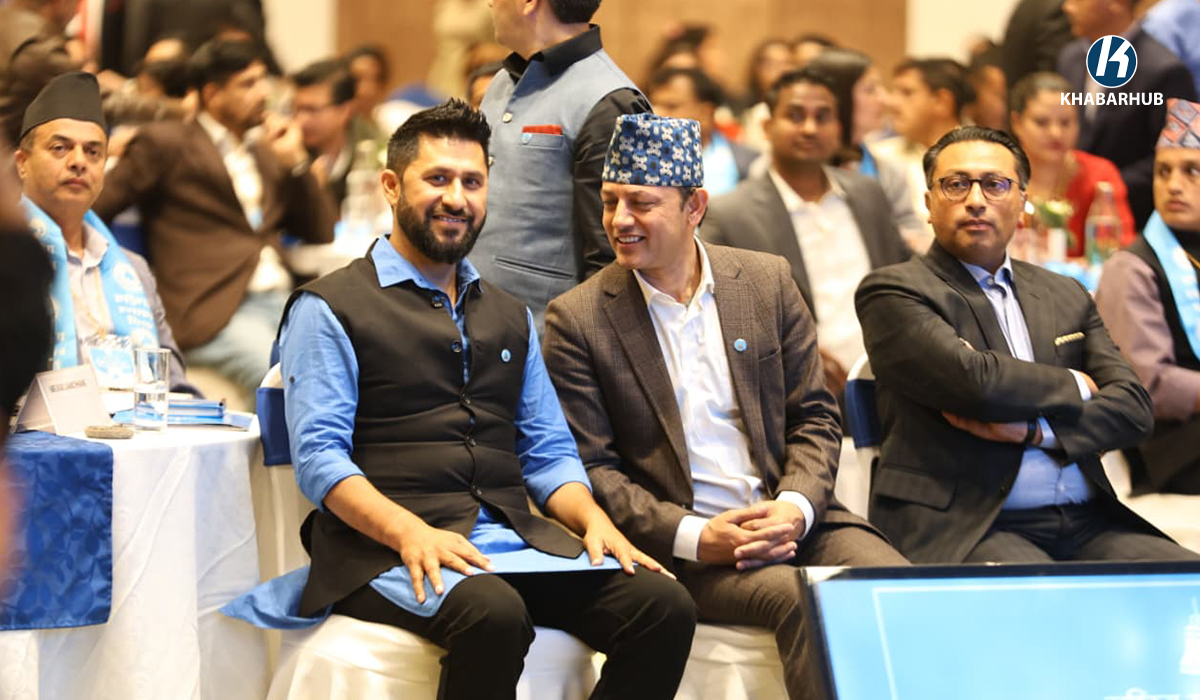
Lamichhane avoided mentioning details about Shah’s prime ministerial appointment and remained silent on when the new government would be formed. He only stated that as of Wednesday, the cabinet had not been finalized. “We know all of you and will form a strong cabinet. Avoid creating parallel centers of power,” he told MPs.
Although he and senior leader Shah have met informally, cabinet positions have yet to be confirmed. Lamichhane indicated that the central committee would propose Shah as parliamentary party leader, but he did not explicitly announce him as the Prime Ministerial candidate. This has led to some speculation regarding the upcoming government.
RSP spokesperson Manish Jha reassured that Shah’s appointment should not be doubted and that the process would move forward after Chaitra 10. Deputy Chairperson D.P. Aryal emphasized that delays were due to leaders’ health issues and pending work by the Election Commission, and that formal government formation would follow. Shah’s secretariat also cited his health and busy schedule as reasons for missing the orientation.
Avoid internal factions
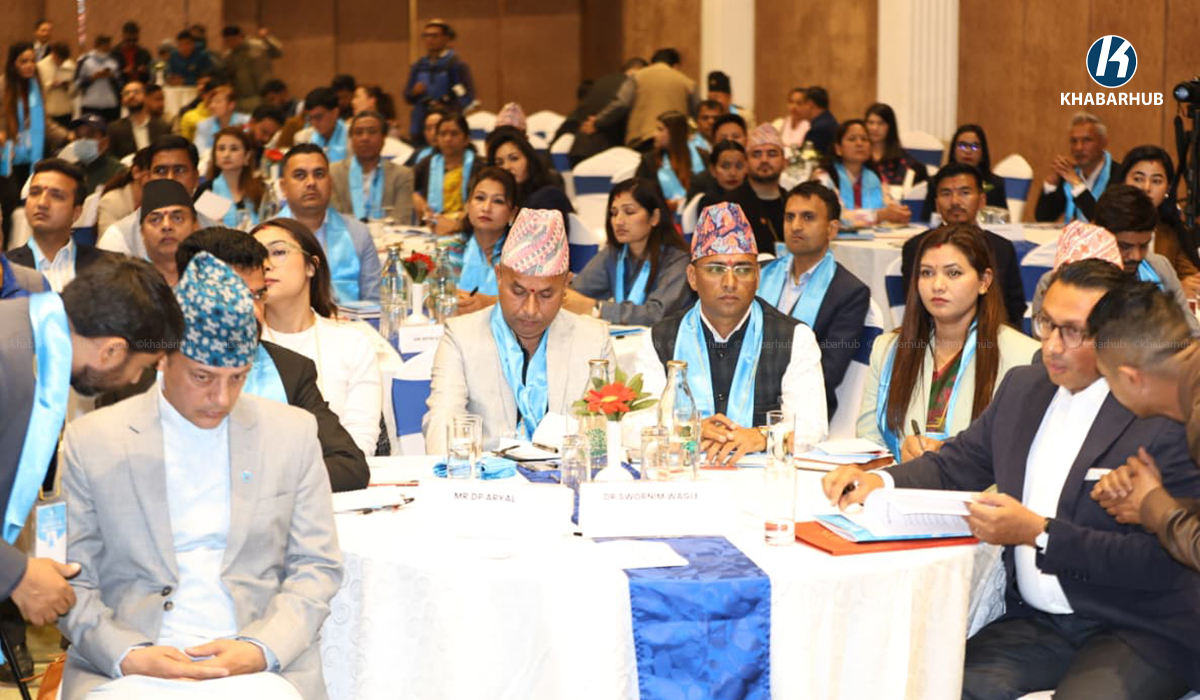
Lamichhane was also cautious about factionalism within the party. Reports indicated pressure on Shah from MPs seeking ministerial positions, with intense competition within the party. While factions exist, including one led by Swarnim Wagle, Lamichhane stressed that MPs should avoid using ministerial lobbying to create centers of power.
He explicitly warned MPs during his speech not to form factions around ministerial allocations, reflecting his concern over potential intra-party disputes. Lawmakers were reminded that power struggles could undermine the party’s mandate.
Lamichhane’s address underscored his evolution from a confrontational campaigner to a disciplined, responsible, and people-focused party leader, signaling a new phase for RSP as it prepares to govern.





Comment