




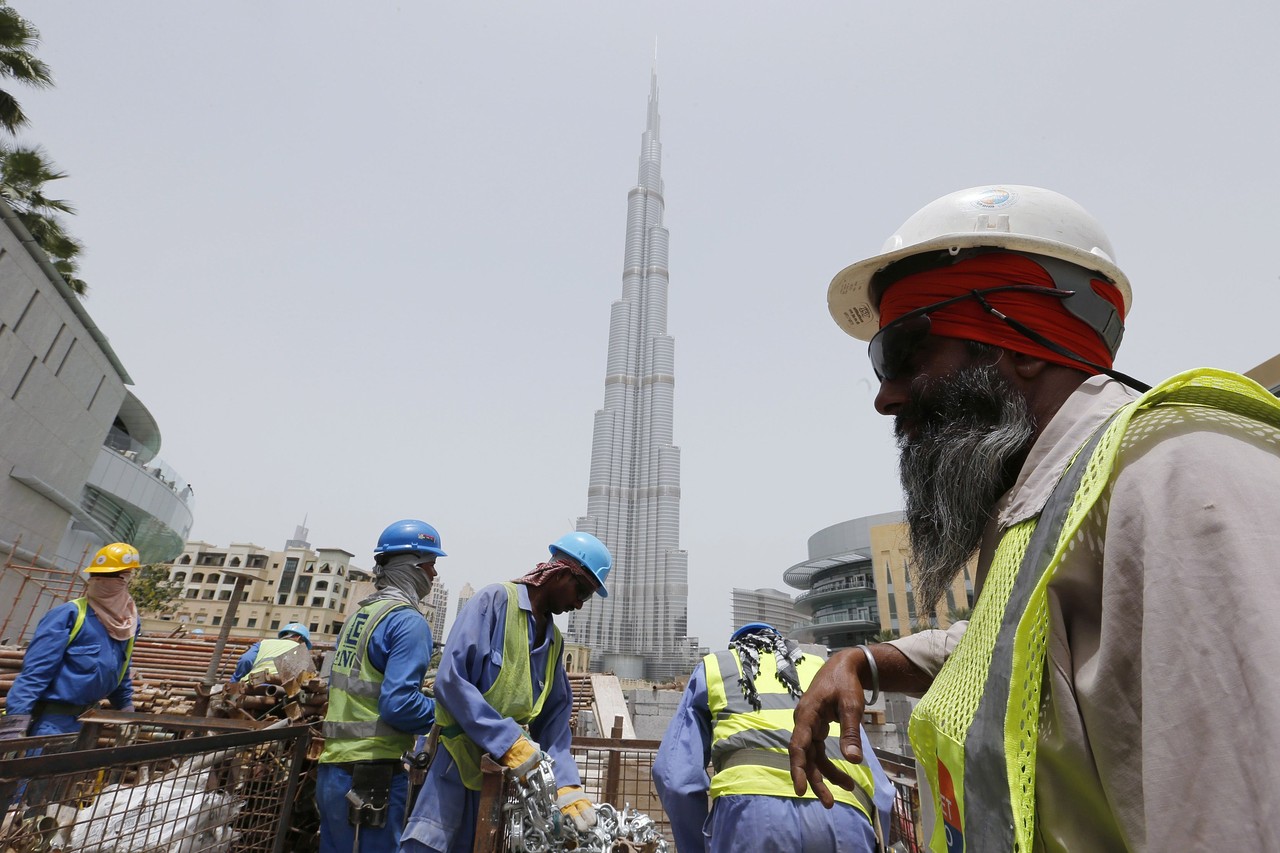
KATHMANDU: Gulf countries that have long been considered major destinations for foreign employment are now facing growing security threats as the region heats up due to escalating conflict.
Countries such as the United Arab Emirates (UAE), Saudi Arabia and Kuwait, once seen as relatively safe, have recently come under the range of Iranian missiles and drones. The situation has raised serious concerns about the safety of millions of migrant workers living and working there.
The biggest price of the conflict is being paid by poor migrant laborers who left their home countries in search of work.
One of them was Murib Zaman, a Pakistani driver who had been working in Abu Dhabi for nearly two decades. Living far from his family, he regularly sent around 300 dollars a month back home.
Despite the security concerns in his hometown due to Taliban presence, Abu Dhabi had always felt safe to him. However, tragedy struck when debris from an Iranian missile intercepted in the sky fell and killed him.
His relatives in Pakistan were left shocked and devastated by the news.
Migrant workers like Zaman form the backbone of the Gulf economies. Despite being wealthy from oil and gas revenues, these countries rely heavily on foreign labor.
After the United States and Israel launched attacks on Iran, Tehran responded by firing hundreds of missiles and drones toward various targets across the Gulf.
According to recent figures, many of the civilians killed in attacks in the UAE, Saudi Arabia, Kuwait, Qatar, Oman and Bahrain are migrant workers.
Iran claims its strikes are targeted at US military bases and American-linked facilities. However, the attacks have also affected residential areas, hotels and other civilian infrastructure.
Although Gulf countries possess advanced defense systems, missiles intercepted in the sky often break into fragments that fall to the ground. These burning and sharp debris pieces have caused deaths and injuries among people on the streets or inside buildings.
In Kuwait, an 11-year-old Iranian girl was killed in such an incident, while in Saudi Arabia a Bangladeshi sanitation worker, Mosharaf Hossain, also lost his life.
As fear spreads, wealthy tourists and workers from the United States and Europe are leaving the region for safer destinations.
However, migrant workers from poorer countries in Asia and Africa have few options to escape.
Foreign nationals make up nearly one-third of Saudi Arabia’s population, while in the UAE and Qatar migrants account for nearly 90 percent of residents.
South Asian workers, often described as the backbone of Gulf economies, appear to be at the frontline of the current crisis.
More than 35 million migrant workers are currently employed across the Gulf region. Most of them come from countries such as Nepal, India, Pakistan and Bangladesh.
These large numbers of foreign workers are often the first victims of conflict.
Many low-paid laborers live in cramped and inexpensive accommodations where emergency escape routes are limited. They typically work in jobs such as street cleaning, delivery services and security.
While wealthy residents can take shelter in secure facilities, these workers often have no choice but to continue working on the streets even during security alerts.
According to The New York Times, many workers in cities like Dubai are unsure where to hide when explosions are heard or missiles fall nearby. Without designated shelters, they often run into open areas, which can be even more dangerous.
Despite the risks, most migrant workers cannot stop working.
An Ethiopian massage therapist said that customers continue requesting services even during missile alerts. She often keeps working while receiving warning notifications on her phone.
Many workers still hope local authorities will improve safety arrangements soon. Even amid the tension, shopping malls and public spaces in some cities remain crowded.
People check alerts on their phones and quickly return to their conversations and daily routines, although fear remains in the background.
A Filipina worker said she has started teaching her children to stay away from windows and be ready to flee with their passports in case of an emergency.
Many migrant workers want to return home, but debt burdens and family responsibilities force them to stay.
The money they send back supports elderly parents and children in their home countries.
The conflict has not only exposed political tensions between nations but also highlighted the vulnerability of millions of low-income migrant workers worldwide.
For many families, the dreams carried to the Gulf are fading in the desert sands.
At Zaman’s funeral in his village in Pakistan, hundreds gathered in grief. His death did not only take away a family’s breadwinner but also left the future of several dependent children uncertain.
If the conflict continues to escalate, the lives of millions of migrant workers in the Gulf, and the families who depend on them, may become increasingly difficult.





Comment