




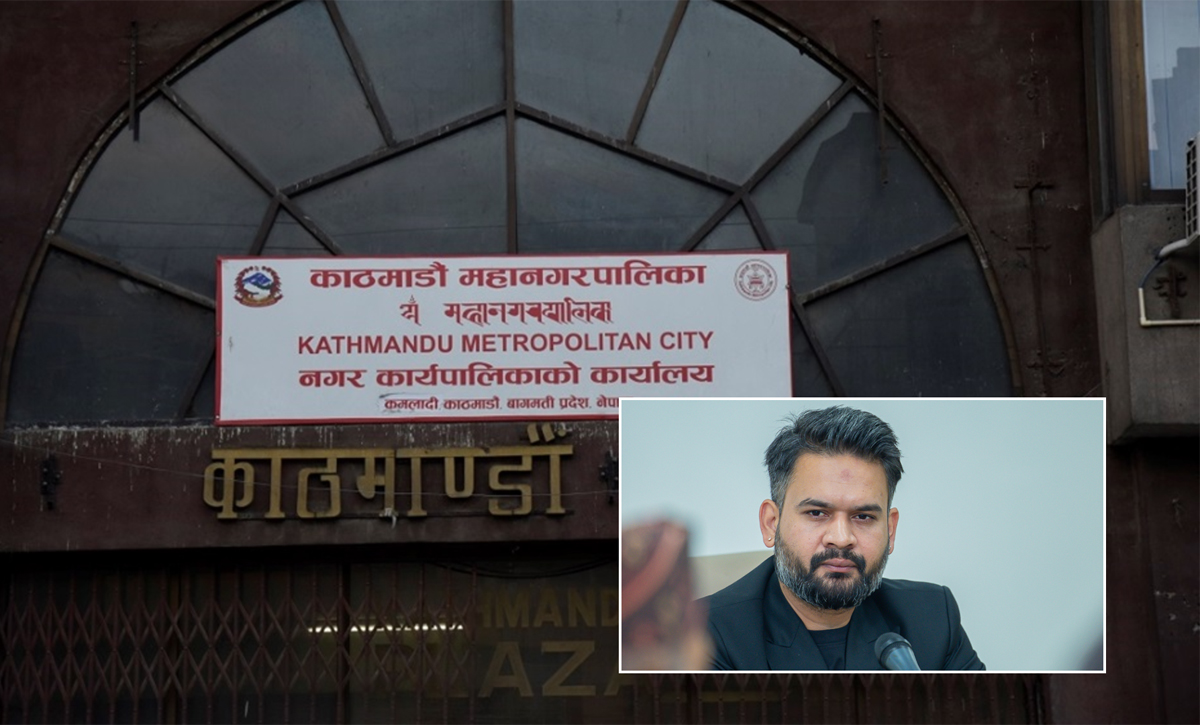
KATHMANDU: The federal government is preparing to introduce reforms in the national education system based on the model implemented in Kathmandu Metropolitan City during the tenure of Balen Shah as Mayor.
The proposal has been included in the draft of the ‘national commitment’ document prepared by the government following the March 5 elections, which incorporates manifestos and pledges of six national political parties represented in Parliament.
The draft, released on Tuesday by the Office of the Prime Minister and Council of Ministers, will now be discussed with parliamentary parties for further refinement.
The government had earlier endorsed a 100-point governance reform agenda through its first Cabinet meeting on March 27, 2026, which includes key reforms in the education sector.
Expansion of Kathmandu model
According to the draft, successful practices introduced in Kathmandu Metropolitan City, such as 10 percent student scholarships and the “Book Free Friday” initiative, will be scaled up nationwide.
The reforms aim to make education more student-centred, inclusive, quality-driven, and free from political interference.
Key education reform measures
The government plans to remove all structures of student wings affiliated with political parties from school and university premises within 60 days.
Within 90 days, student-centred mechanisms such as student councils or “Voice of Students” platforms will be introduced to ensure student participation in academic governance.
The reforms also aim to ensure timely publication of examination results in line with academic calendars set by the Ministry of Education, Science and Technology.
Universities are expected to revise procedures so that students will not require citizenship certificates to enrol in undergraduate programmes, making higher education more inclusive.
For primary-level students up to Grade 5, internal examinations will be discontinued, with alternative assessment systems to reduce academic pressure on young children.
The government also plans to shift teacher management, including recruitment, transfer, and deployment, to provincial governments.
A policy restricting teachers, professors, and education staff from engaging in political party activities has also been highlighted in the draft.
Private schools will be discouraged from using foreign-sounding names such as “Oxford” or “St. Xavier’s” and encouraged to adopt local or Nepali identities.
Meanwhile, discussions are ongoing regarding making it mandatory for government officials to enrol their children in public schools as part of efforts to improve education quality.
Education Minister SasmitaPokharel had earlier taken and later withdrawn a decision to discontinue SEE bridge courses and entrance preparation classes.
The government states that these reforms aim to transform the education sector into a more inclusive, quality-focused, and student-centred system, with implementation timelines assigned to concerned ministries and local governments.


Comment