




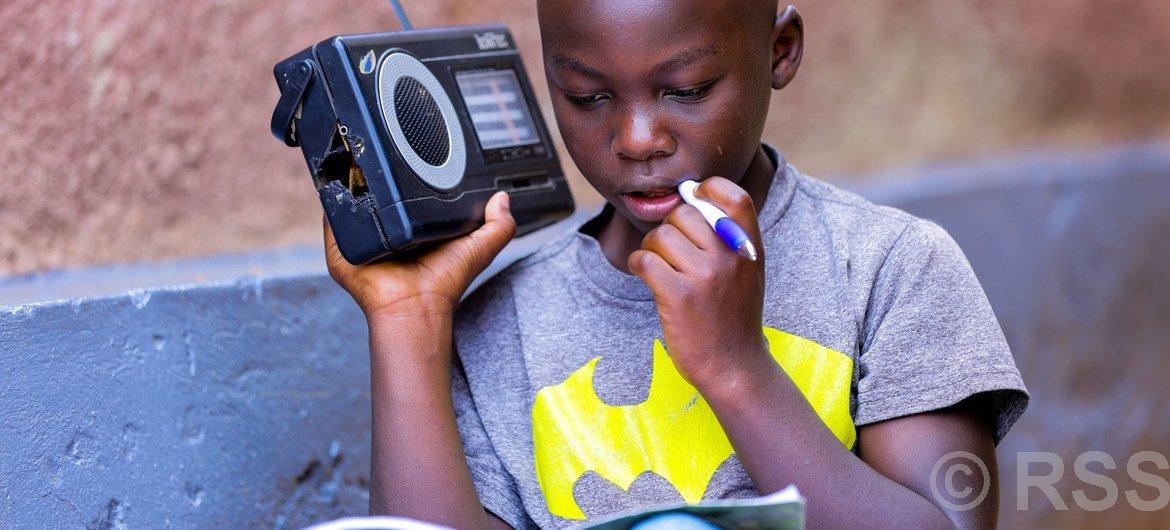
KATHMANDU: Today marks World Radio Day, celebrated across the globe with various programs involving radio broadcasters, communication experts, and other stakeholders.
Since 2012, the day has been observed under the leadership of the United Nations Educational, Scientific and Cultural Organization (UNESCO), commemorating the establishment of the United Nations Radio Service in 1946. UNESCO has announced plans to present educational content to audiences worldwide through digital broadcasting across all five continents.
According to UNESCO, the day aims to raise public awareness about the importance of radio as a communication medium, ensure access to information for decision-makers, encourage its use, and strengthen international cooperation among broadcasters.
Radio is recognized as a powerful platform for celebrating societal diversity and fostering democratic dialogue. Despite the rise of digital media, it remains the most widely listened-to medium globally, with a unique ability to reach vast audiences, amplify marginalized voices, and create a sense of community.
UNESCO has emphasized that radio stations should serve diverse communities, offer varied programming, present multiple perspectives, and reflect the diversity of their audiences in both content and operations.
Radio is particularly effective in reaching remote and at-risk communities due to its low operating costs, providing equal opportunities for public participation regardless of educational background. It also plays a critical role in emergency information dissemination and disaster relief.
Shreeram Paudel, Associate Professor at the Central Department of Journalism and Mass Communication, Tribhuvan University, highlighted that radio has the unique ability to unite communities and foster dialogue for positive change. He noted that radio services help ensure diverse perspectives and address common societal challenges while responding to audience needs.
On this occasion, UNESCO Director-General Khaled El-Enany stressed that artificial intelligence (AI) should serve the public good, and that radio should strive to provide honest information and foster empathetic communities.
To mark World Radio Day, radio stations and broadcasters worldwide are organizing special programs, forums, competitions, storytelling events, and public awareness campaigns. In some African countries, cultural programs, interactive sessions, and film screenings will also take place, alongside discussions on the future of radio and the role of AI.





Comment