




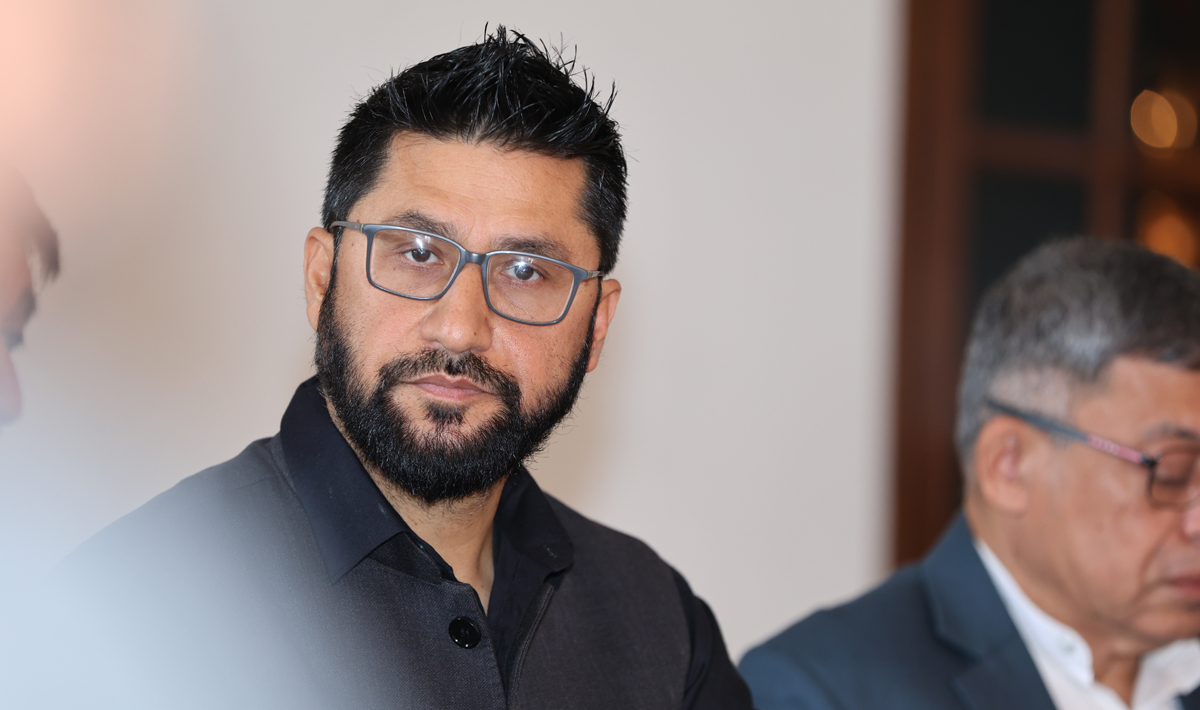
KATHMANDU: Rastriya Swatantra Party (RSP) Chairperson Rabi Lamichhane has warned that another situation similar to September 8 could emerge if the current generation fails to properly utilize the political opportunity it received through the March 5 elections.
Speaking at a program organized by the RSP in Kathmandu on the occasion of International Youth Day, Lamichhane said the party must deliver results to prevent questions from being raised over the ability of young people to lead the country.
The former home minister recalled the Gen-Z movement of September 8 and 9 last year, saying Nepal’s political situation could change overnight.
He cited the collapse of the then KP Sharma Oli-led two-thirds majority government following the movement as an example of how quickly political circumstances can change.
“September 6 and 7 last year were fine. There was a two-thirds government, and two powerful parties were in government. Who could challenge them? But September 8 arrived overnight,” Lamichhane said.
He warned that if the RSP fails to counter the negative narrative through its performance, the country could once again reach a similar situation.
“If we cannot counter the wrong narrative through our work, we could reach the same edge before we realize it. Another September 8 could come,” he said.
Lamichhane also warned that failure by the RSP to fulfill its current political responsibility could lead to a narrative within a few years that young people and inexperienced leaders are incapable of running politics.
“If, for any reason, we fail to fulfill our responsibility, a narrative could quickly emerge that young people cannot do politics simply out of enthusiasm and that politics is not possible with inexperienced people,” he said.
He said young people who have come forward seeking political change would be the biggest victims if such a narrative takes hold.
Lamichhane stressed that the political opportunity secured by the current generation should not be viewed merely as a matter of personal prestige, praise or public applause.
“This is not the time to celebrate. This is the time to think responsibly,” he said.
He urged young lawmakers and ministers to focus on delivering results rather than enjoying their positions.
Lamichhane said simply celebrating the arrival of young leadership in politics would not be enough, arguing that the opportunity must be converted into tangible results.
“If this opportunity is missed, if things go wrong or if we fail to exercise sufficient judgment, young people of future generations may not receive the kind of opportunity we have received,” he said.
He further warned against establishing a political narrative that age and experience alone should determine leadership.
Lamichhane urged young leaders to use the opportunity responsibly and demonstrate that a new possibility exists in Nepali politics.
He also cautioned RSP leaders and cadres against becoming complacent over their current popularity and praise.
“We should not think that we have already become very strong. We are only fresh. We still have to become strong,” he said.
Lamichhane said those unwilling to abandon the historic responsibility placed on the current generation must work honestly and with sound judgment.
He added that if young people who helped bring about the current political change fail in their responsibilities, they themselves will bear the greatest consequences.





Comment