




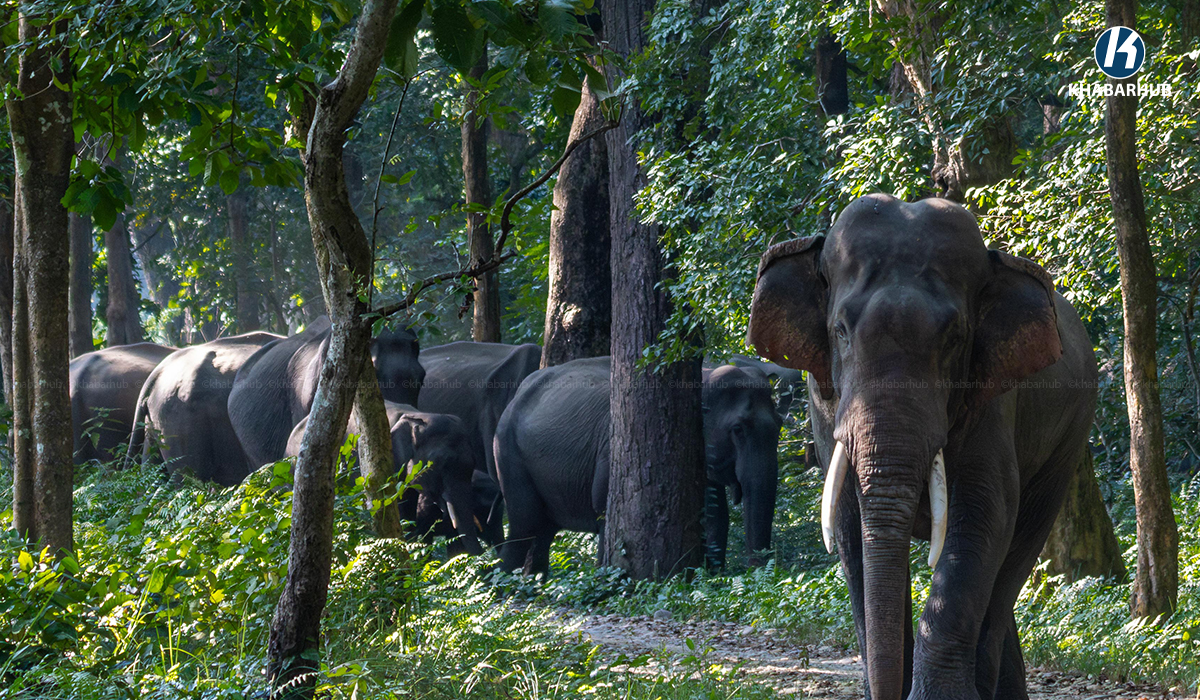
KATHMANDU: Protecting and restoring traditional elephant corridors is becoming increasingly important for conserving wild elephants and reducing human-elephant conflict in Nepal, as expanding settlements, agriculture and infrastructure continue to fragment forest habitats.
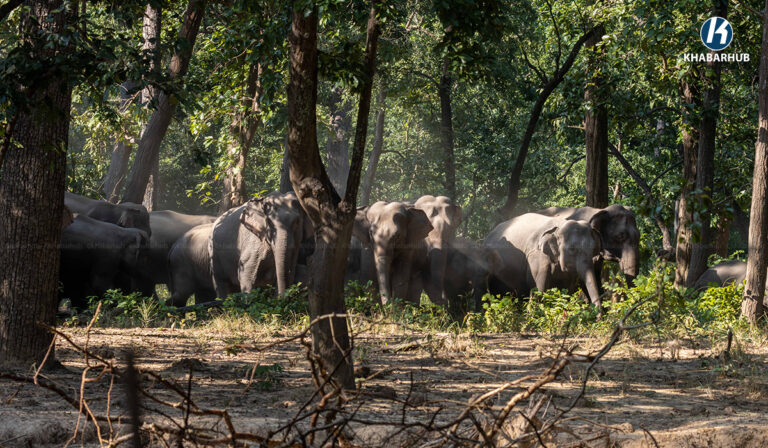
Wild elephants are an important part of Nepal’s forests, biodiversity and ecosystems. Since elephants require large areas to complete their life cycles, they regularly move between habitats using traditional routes and corridors.
However, forest fragmentation, expansion of settlements and farmland, and the construction of roads and other infrastructure have increasingly placed pressure on these natural movement routes.
The disruption has contributed to growing human-elephant conflict, with elephants destroying crops and damaging houses and other property. Both humans and elephants have been injured and killed in such incidents.
Conservationists say protecting forests alone is not enough to ensure elephant conservation.
“Elephants cannot be protected by securing forests alone. Their movement routes connecting those forests must also be protected.”
Identifying and protecting traditional elephant corridors, increasing local community participation and implementing effective measures to reduce human-elephant conflict have therefore become key priorities.
Nepal’s 10-year elephant conservation plan
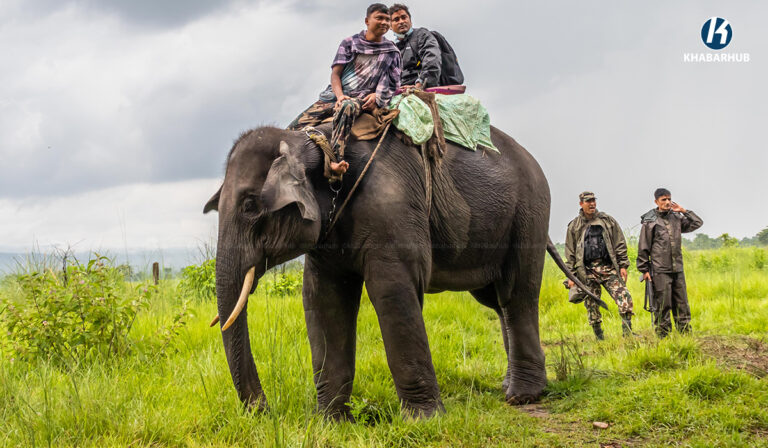
Nepal has also prioritised elephant conservation through a 10-year Elephant Conservation Action Plan covering 2025 to 2035.
The plan focuses on protecting elephant habitats and corridors, reducing human-elephant conflict and promoting community-based conservation.
The conservation approach is considered particularly important because elephants require extensive landscapes and regularly move across forests, agricultural areas and settlements.
Ensuring that their traditional movement routes remain connected could help reduce encounters between elephants and communities while allowing the animals to maintain their natural movement patterns.
Domestic elephants also need attention
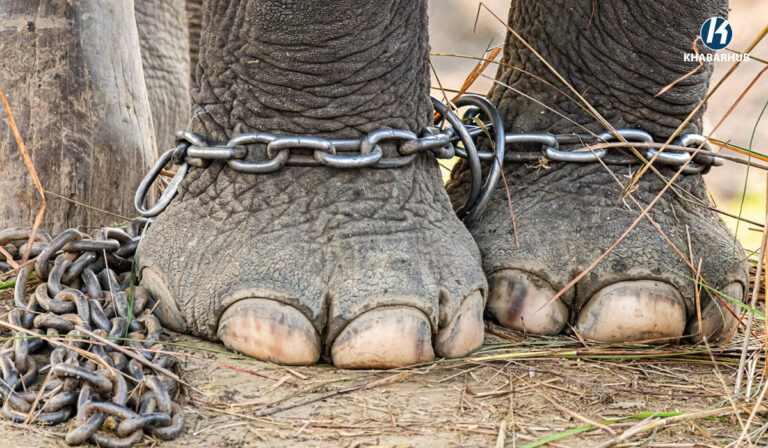
The elephant conservation debate in Nepal extends beyond wild elephants.
Domestic elephants are also linked to tourism, wildlife conservation and other tourism-related activities. Their welfare, proper management and protection therefore need to form part of Nepal’s broader elephant conservation strategy.
On World Elephant Day, the focus is not only on protecting elephants but also on promoting coexistence between people and elephants.
For Nepal, this means moving towards safer elephant corridors, healthier and better-connected forests, and conservation systems that involve and benefit local communities.
Protecting the routes that connect elephant habitats could ultimately be as important as protecting the forests themselves.






Comment