




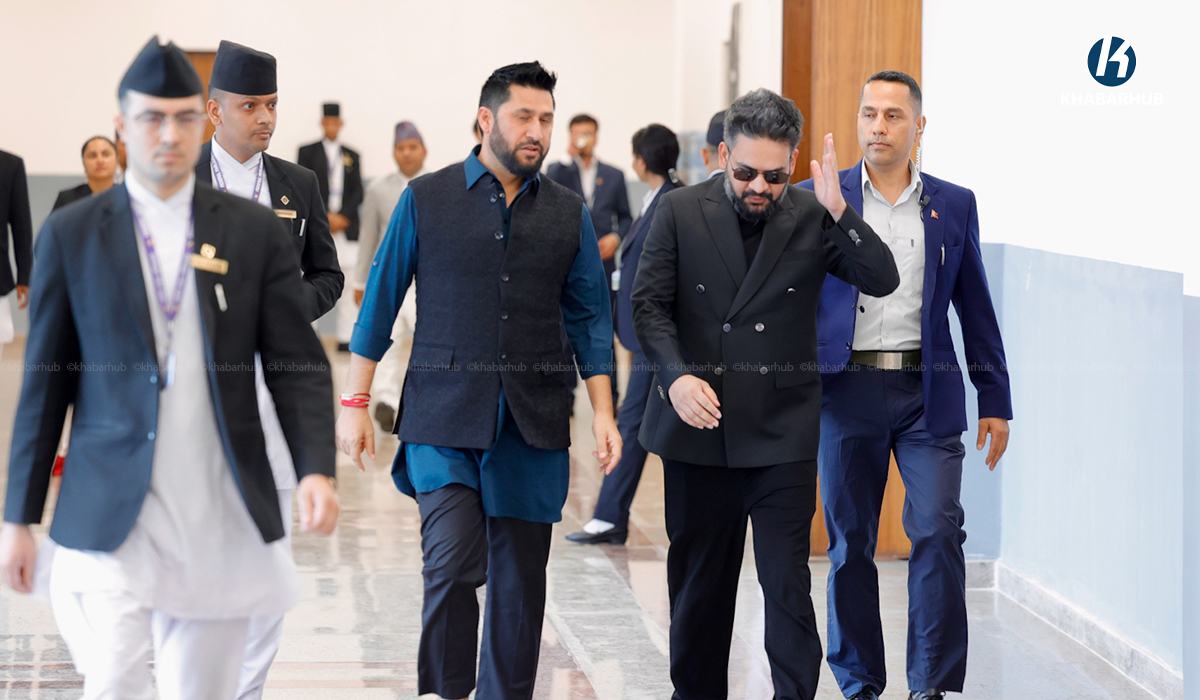
KATHMANDU: Nepal’s ruling Rastriya Swatantra Party (RSP) appears to be confronting a problem that is as old as politics itself: how to divide power without dividing the party.
Prime Minister Balendra Shah and RSP Chair Rabi Lamichhane met at the Prime Minister’s residence in Baluwatar on Sunday night, with discussions ranging from party appointments and diplomatic relations to ambassadorial nominations, senior bureaucratic appointments and the composition of the Cabinet.
Yet, despite the wide-ranging discussion, the meeting ended without a concrete agreement.
That may be the most important takeaway.
The meeting came at a time when the relationship between Shah and Lamichhane has increasingly attracted attention within the party. Both sides have publicly denied reports of a serious rift, but differences over appointments, party organisation and the government’s style of functioning have clearly begun to surface.
Sunday’s meeting was therefore less a routine political consultation than an attempt to prevent those differences from becoming an open confrontation.
The unfinished business of the RSP
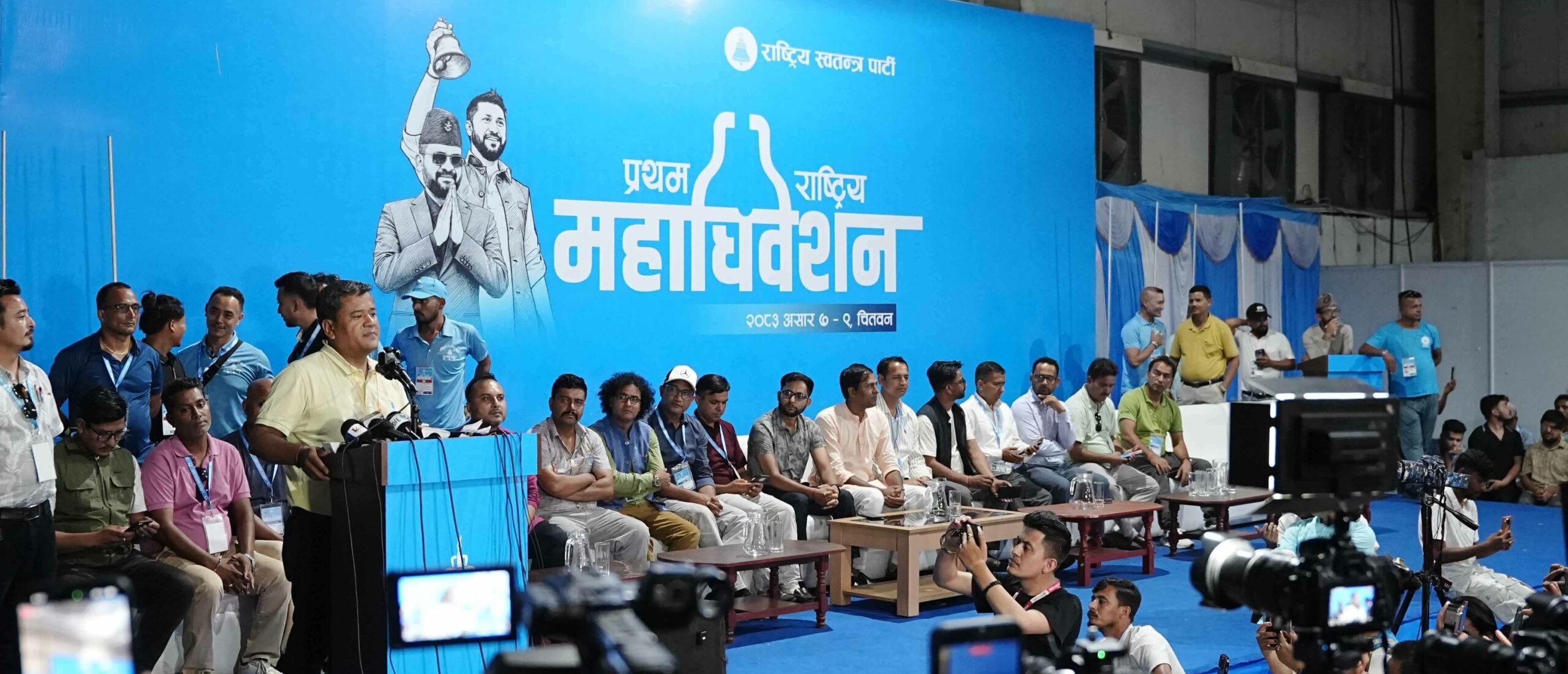
The biggest unresolved issue appears to be the formation of the party’s organisational structure.
The RSP held its first national general convention in Chitwan from June 21 to 27, but more than a month later, several key positions remain undecided. Under the party statute, Lamichhane has the authority to nominate 51 central committee members, 11 office bearers and more than 18 Secretariat members.
Prime Minister Shah was nominated as the party’s senior leader on July 29. But several other appointments remain pending.
The dispute is not merely about names. It is about influence.
The Shah camp reportedly wants a substantial presence in the party leadership, including positions such as vice-president, general secretary and joint general secretary. Lamichhane, meanwhile, appears to be seeking a broader and more representative organisational team before finalising the appointments.
Both sides have reasons to be cautious.
For Lamichhane, the party’s first convention must translate into a functioning organisational structure without creating the impression that the party is being divided into competing camps.
For Shah, who now holds the country’s highest executive office, influence within the ruling party is equally important. A prime minister without sufficient organisational support inside his own party can quickly become politically vulnerable.
That makes the appointments a test of who controls the political machinery of the RSP.
From party appointments to state appointments
The conversation between the two leaders reportedly extended beyond party positions.
Ambassadorial appointments and appointments to senior state institutions were also discussed. Although there is no confirmed agreement on sharing positions, the very fact that such matters are being discussed between the two leaders raises a larger question about how appointments are being handled under the new political order.
The government insists that appointments will follow due process and that applications already received will be evaluated on merit.
That assurance will ultimately have to be demonstrated, rather than merely stated.
Nepal’s political history is full of examples in which appointments to public institutions have been influenced by proximity to political leaders. The RSP rose to power in large part by promising to challenge precisely this culture.
If the party begins reproducing the same practices it once criticised, the disappointment will be greater because expectations from the new political force are considerably higher.
Balen’s changing political posture
The meeting also comes amid a visible change in Prime Minister Shah’s approach to politics and diplomacy.
After taking office, Shah had maintained a notably distant posture toward foreign diplomats and visiting foreign officials. He had reportedly declined meetings with several foreign representatives, including India’s Foreign Secretary Vikram Misri during his proposed visit to Nepal.
Four months later, the approach appears to have changed.
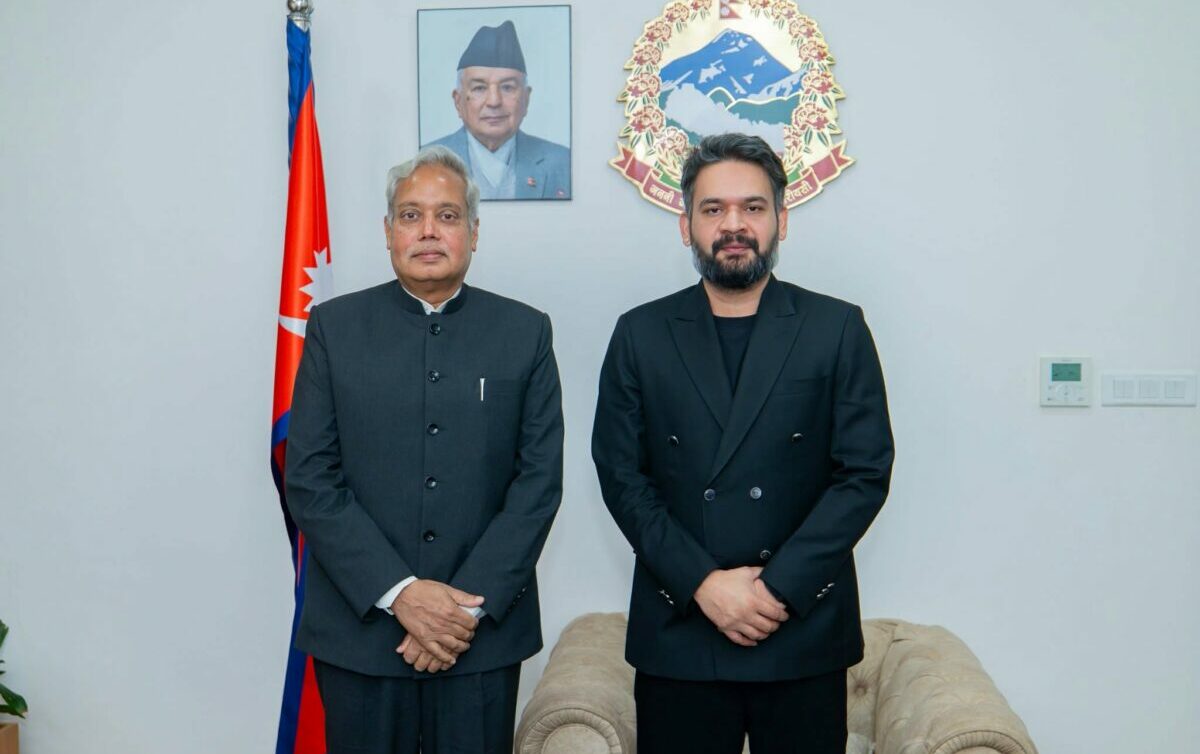
Shah has now met Indian Ambassador Naveen Srivastava and Chinese Ambassador Zhang Maoming, with a meeting with the US chargé d’affaires also scheduled.
The change is significant.
Diplomacy cannot be conducted through social media posts or political symbolism alone. A prime minister must eventually sit across the table from foreign representatives, listen, negotiate and build relationships.
Shah appears to have recognised this necessity.
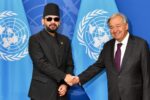
His meeting with the Indian ambassador, in particular, was described as a discussion on strengthening bilateral relations, development cooperation and mutual interests. Indian Prime Minister Narendra Modi also conveyed congratulations to Shah, according to the Indian ambassador.
The symbolism surrounding the meeting was also noteworthy.
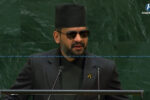
Shah reportedly removed his trademark dark sunglasses during the meeting—a small gesture, perhaps, but one that acquired political significance after members of his own party criticised his public style and urged him to appear more responsible and restrained.
In politics, symbols matter.
But they matter less than substance.
The RSP’s credibility is now being tested
The RSP did not rise because voters were deeply familiar with its ideology or organisational history.
Much of its electoral strength came from public frustration with the established parties.
For many voters, the party represented an alternative to the political culture of the Nepali Congress, CPN-UML and Maoist Centre.
That gives the RSP an unusual political responsibility.
It cannot simply become another version of the parties it replaced.
The shortage of cooking gas, bureaucratic appointments, governance failures, diplomatic engagement and public service delivery are not abstract political questions. They directly affect citizens.
Recent criticism from RSP lawmakers over gas shortages is a reminder that political accountability does not disappear when a party enters government.
Indeed, it becomes more important.
When RSP lawmakers themselves question the government over shortages, governance and public services, it suggests that internal scrutiny is already emerging.
That is not necessarily a weakness.
A ruling party capable of questioning its own government may actually be healthier than one that blindly defends every decision.
The danger comes when internal criticism turns into factional warfare.
Rabi’s growing international profile
There is another factor complicating the relationship.
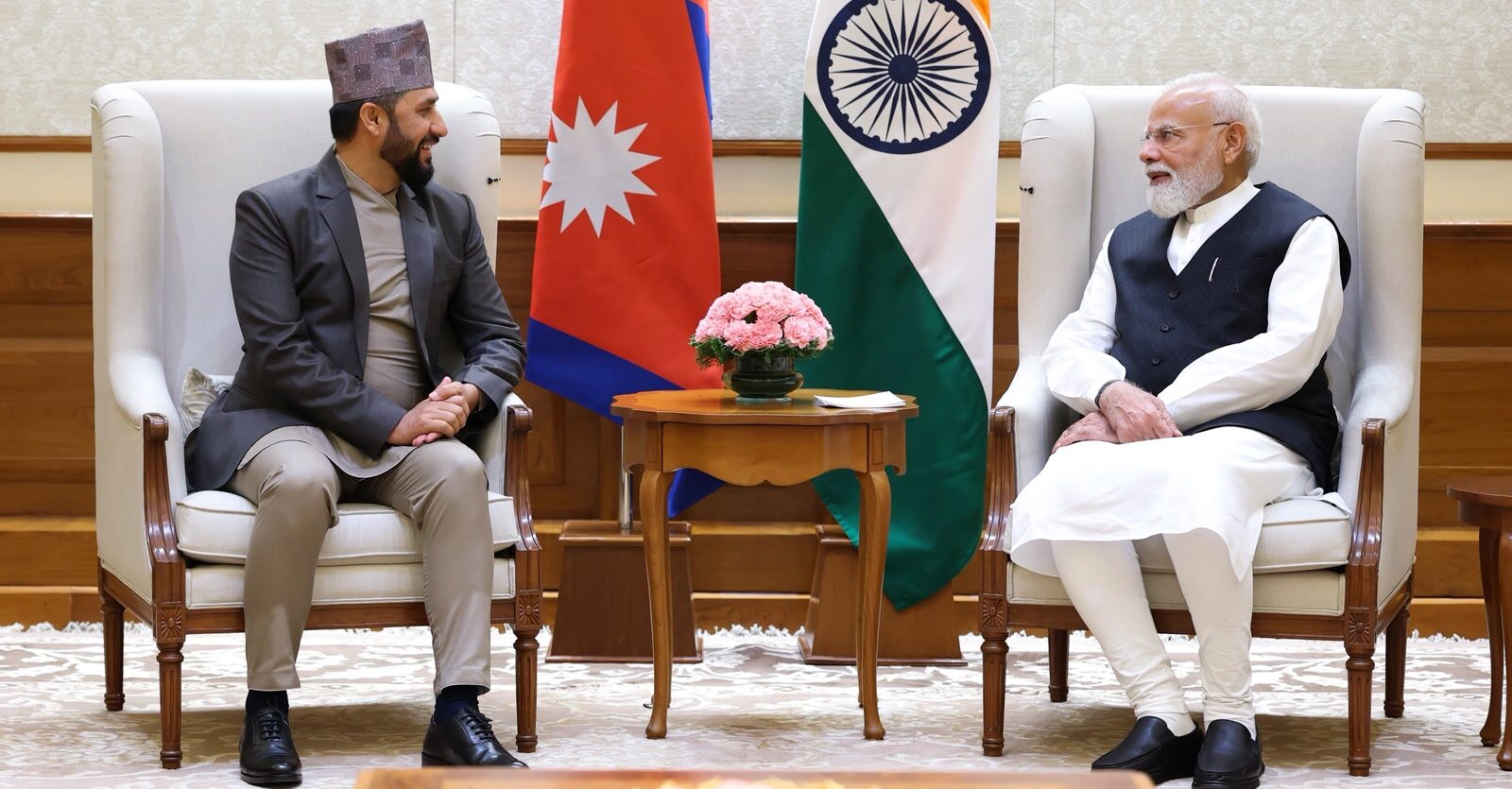
Lamichhane has recently attracted considerable attention abroad, including during his visit to India, where he reportedly met Indian Prime Minister Narendra Modi and received a high-profile reception from India’s ruling Bharatiya Janata Party.
He is also expected to visit China.
That gives Lamichhane an international political profile independent of the prime minister.
For Shah, this creates an obvious political calculation.
A prime minister cannot afford to be isolated domestically while the leader of his own party develops an increasingly visible political presence at home and abroad.
This may partly explain why Shah has intensified his own diplomatic engagements.
But international recognition cannot substitute for domestic governance.
Nor should foreign relationships become another arena for competition between two leaders of the same ruling party.
The real test is governance
The central question for the RSP is no longer whether Shah and Lamichhane can sit together.
They can.
The question is whether they can agree on how the party and government should function.
Can appointments be made transparently? Can ministers be held accountable? Can the party tolerate criticism from its own lawmakers? Can the government distinguish between party interests and state interests? Can diplomatic relations be handled through institutions rather than individual political networks? And, most importantly, can the government deliver the changes that voters expected when they abandoned the traditional parties?
These questions matter more than whether two leaders exchange political courtesies in Baluwatar.
The RSP was given political space because citizens wanted something different. That mandate is not permanent.
Political parties accumulate public trust one decision at a time—and lose it the same way.
The story of Shah and Lamichhane, therefore, is not simply a story of two powerful figures negotiating positions.
It is a test of whether Nepal’s newest major political force can build a political culture different from the one it promised to replace.
If the two leaders turn their differences into healthy internal checks and balances, the party could emerge stronger.
If they turn them into a struggle for control, the promise of a new political beginning may quickly begin to look like another chapter in Nepal’s old political story.




Comment