




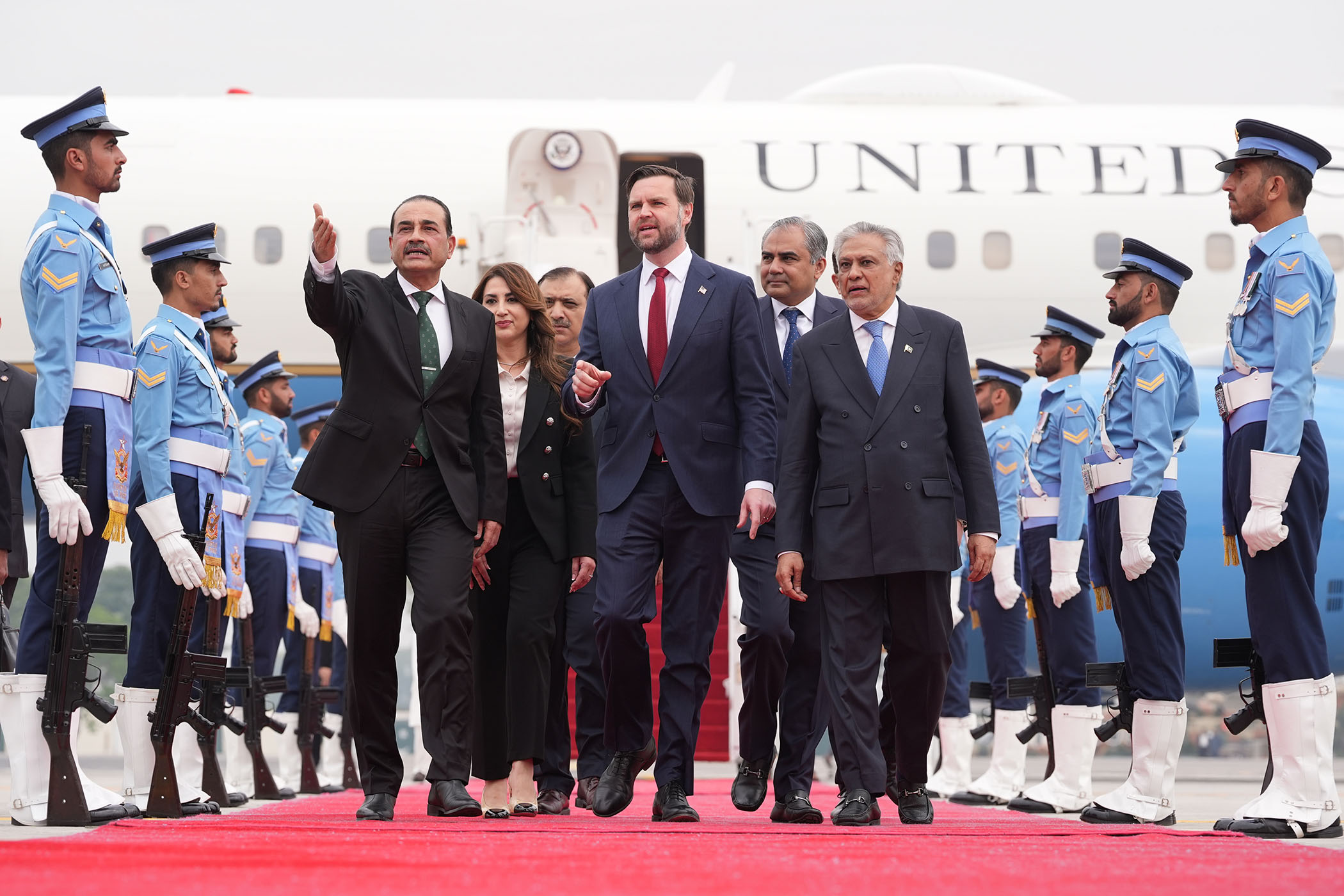
ISLAMABAD: Delegations from the United States and Iran are set to meet in the Pakistani capital this Saturday in a historic attempt to end over a month of devastating regional warfare.
The talks, brokered by Pakistan, come as a tense two-week ceasefire holds despite deep-seated mutual suspicion and a history of enmity spanning more than four decades.
The current conflict follows a series of unprecedented escalations that began in late 2025. Following the expiration of the 2015 nuclear deal and the reimposition of United Nations sanctions, tensions exploded into a 12-day direct war between Israel and Iran in June 2025, during which the U.S. destroyed several Iranian nuclear facilities.
The situation reached a breaking point on February 28, 2026, when a coordinated U.S.-Israeli strike killed Iran’s Supreme Leader, Ayatollah Ali Khamenei. In the month of total war that followed, Iran retaliated by targeting regional bases hosting U.S. forces and effectively closing the Strait of Hormuz, causing severe disruptions to the global energy supply and the world economy.
The delegations in Islamabad are led by U.S. Vice President JD Vance and Iranian Parliamentary Speaker Mohammad Bagher Ghalibaf. While both sides have expressed a desire to avoid further bloodshed, they remain fundamentally at odds.
The U.S. continues to demand a total cessation of Iran’s nuclear ambitions and an end to its support for regional militant groups, while Tehran seeks a permanent end to American military presence in West Asia and the lifting of crippling economic sanctions.
This diplomatic effort represents the first high-level direct engagement between the two nations since the 1979 Islamic Revolution and the subsequent hostage crisis that severed diplomatic ties for 44 years. With thousands killed and displaced over the last month, the stakes are remarkably high as the ceasefire is scheduled to expire on April 22.
If the Islamabad talks fail to produce a roadmap for a long-term settlement, there are widespread fears that the region will descend back into a conflict that has already pushed the global community to the brink of a broader crisis.





Comment