




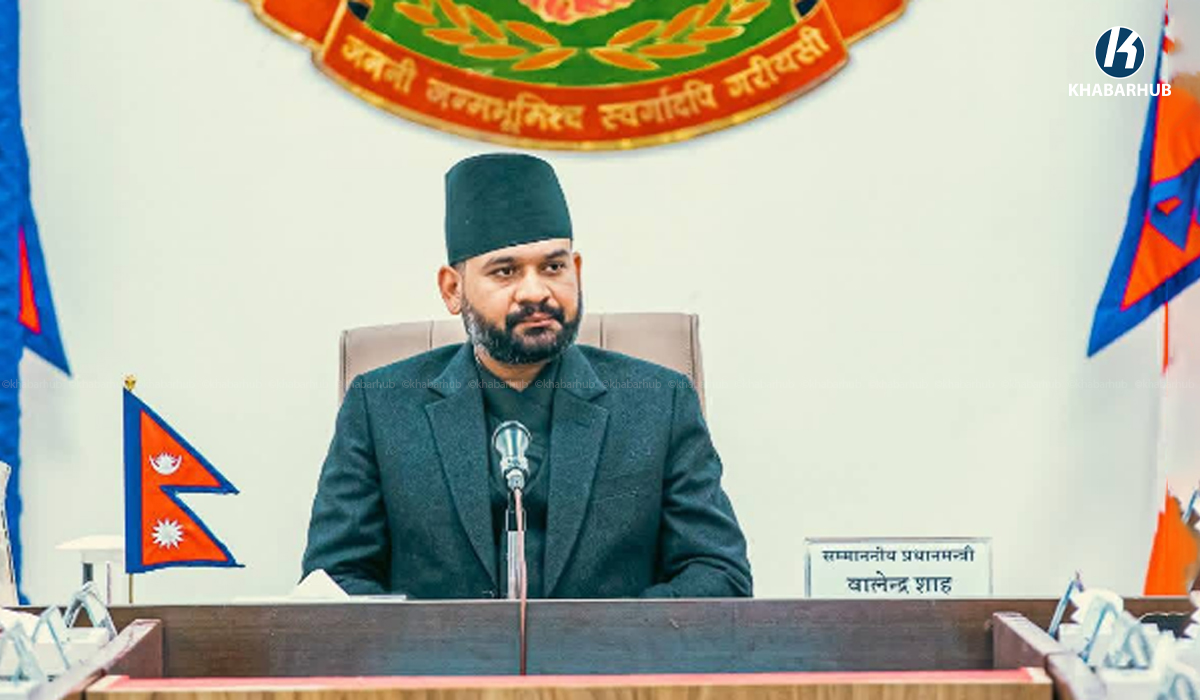
KATHMANDU: The first session of the newly elected House of Representatives was formally prorogued at midnight on Friday, following a recommendation from the Council of Ministers.
During the final meeting of the House, Speaker Dol Prasad Aryal read the official letter from the President’s Office regarding the termination of the session. Formed after the general elections held on March 5, the parliament held its first meeting on April 2 and conducted a total of six sittings during its nine-day duration.
While the session successfully completed key administrative tasks, including the election of the Speaker and Deputy Speaker, it was marked by a significant departure from parliamentary norms. In a notable break from tradition, Prime Minister Balendra Shah did not address the parliament.
Historically, it has been customary for the Prime Minister to deliver a keynote speech during the inaugural session to outline the government’s priorities, policy framework, and political vision for the nation. Despite taking office on March 27 following a movement largely driven by the youth, PM Shah chose not to speak on the floor of the House.
The Prime Minister’s silence has drawn surprise from various quarters, especially considering his government commands a robust near two-thirds majority with 182 seats. Throughout the six meetings, various lawmakers raised urgent national issues and sought direct responses from the Prime Minister, yet these queries were met with silence.
Even though the ruling Rastriya Swatantra Party recently released a 100-point agenda for governance reform, the Prime Minister did not utilize the parliamentary platform to present or endorse this roadmap.
The conclusion of the session without a prime ministerial address has sparked a debate among political observers regarding parliamentary accountability and the leadership’s presence in the legislature.
Critics note that in a parliamentary democracy, the executive is expected to be answerable to the people’s representatives through formal address and debate.
By avoiding a traditional address, the current administration has signaled a shift in legislative engagement, leaving many to wonder how the Prime Minister intends to maintain transparency with the House in future sessions.




Comment