




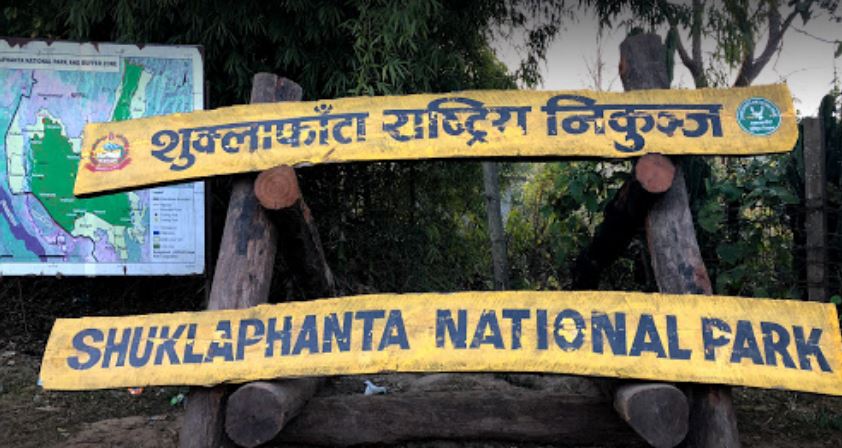
KANCHANPUR: Lakes within Shuklaphanta National Park, home to some of the world’s rarest wildlife, are gradually disappearing due to lack of protection.
Among them, Rani Tal, Kalikich Tal, and Shikari Tal have long been overrun by water hyacinth, putting their very existence at risk. Park Information Officer Purushottam Wagle stressed the urgent need for conservation and development of these lakes.
He said artificial ponds have been created in several parts of the park and supplied with solar-powered water to help meet wildlife needs during the dry season. There are around 120 natural and artificial water bodies within the park.
However, inadequate budget allocation has created challenges in effective management this fiscal year. While grasslands are managed annually to support wildlife, only Rs 700,000 has been allocated for this purpose this year. The park contains the country’s largest grassland, spread over 55 square kilometers.
Wagle noted that last year’s capital budget of Rs 20 million has been slashed to just Rs 3.5 million this year, severely limiting conservation efforts. “We need to manage 5,400 hectares of grassland, but due to budget constraints, we could cover only 50 hectares,” he said.
The park is home to more than 450 species of birds, a large population of swamp deer, and around 43 tigers within a relatively small area, making it a significant biodiversity hotspot.





Comment