




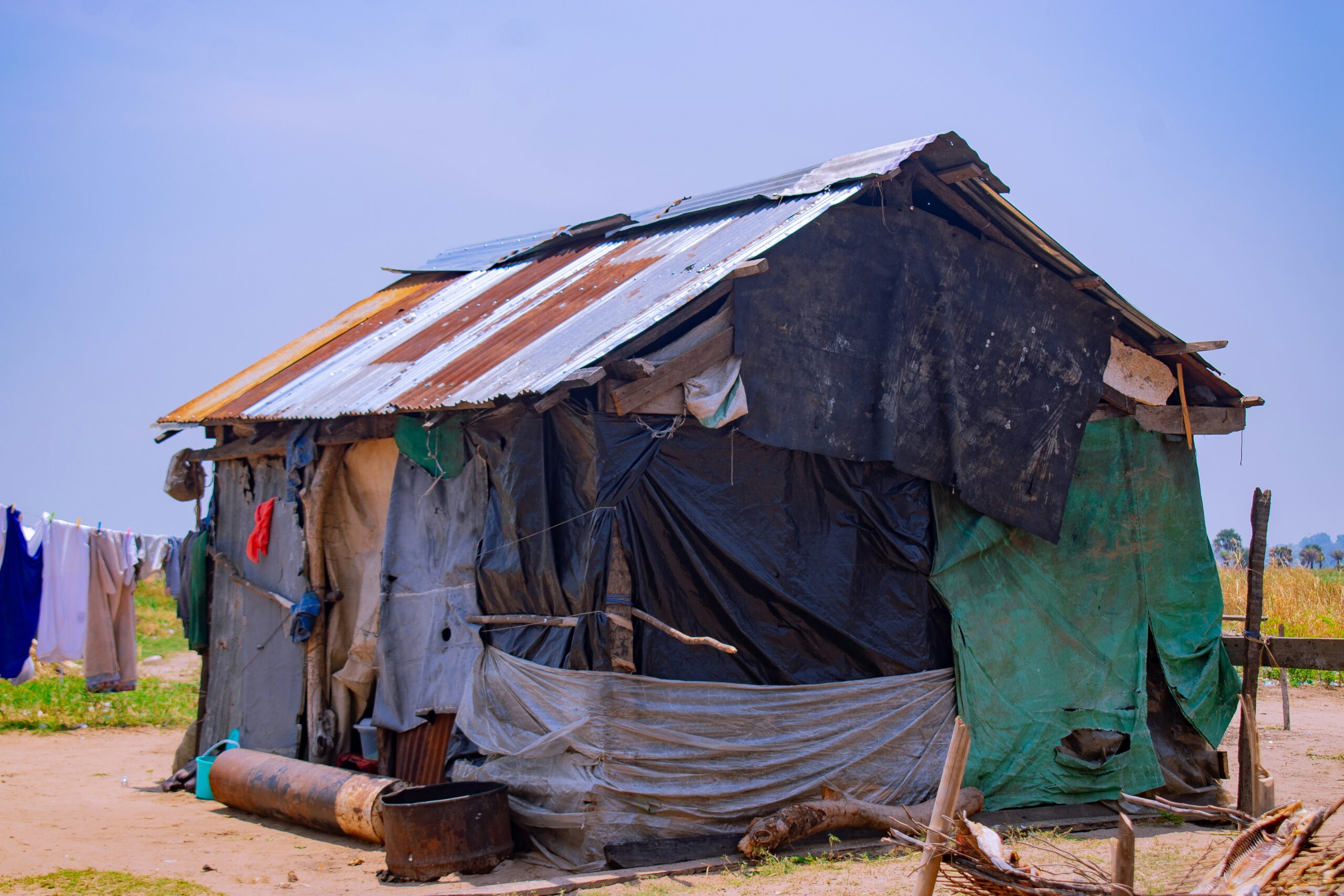
KATHMANDU: Around 20.27 percent of Nepal’s population lives below the poverty line, according to the Small Area Estimation of Poverty-2023 released by the National Statistics Office (NSO) on Friday.
The report, which assesses monetary poverty at municipal and district levels using the cost of basic needs method, shows that 18.34 percent of urban residents and 24.66 percent of rural residents fall below the poverty threshold.
The NSO has set a new poverty line at Rs 72,908 per capita annual expenditure, replacing the previous benchmark of Rs 19,261 determined in 2009/10. People spending less than this amount per year are classified as poor.
By province, Sudurpaschim remains the poorest, with 34.16 percent of its population living below the poverty line, while Gandaki Province has the lowest poverty rate at 11.88 percent. Other provinces recorded poverty rates of 17.19 percent in Koshi, 22.53 percent in Madhesh, 12.59 percent in Bagmati, 24.34 percent in Lumbini, and 26.69 percent in Karnali Province.
At the local level, 309 municipalities and rural municipalities have poverty rates below the national average, while 444 exceed it. The lowest rate of 1.18 percent is recorded in Gharpajhong Rural Municipality of Mustang, while the highest, 77.89 percent, is in Junichande Rural Municipality of Jajarkot.
Kathmandu Metropolitan City has the largest number of people living below the poverty line at 59,218, although its overall poverty rate is 6.87 percent. Among districts, Achham in Sudurpaschim Province records the highest poverty rate at 49.58 percent, while Kaski in Gandaki Province has the lowest at 5.63 percent.


Comment