




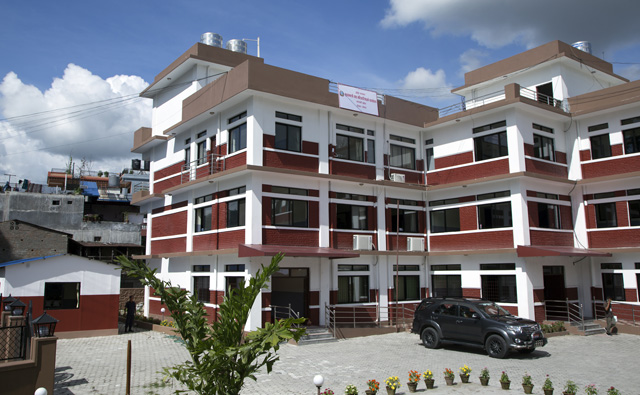
BAGLUNG: The Gandaki provincial government has launched an active campaign to identify tuberculosis (TB) patients by reaching remote villages across the province. The initiative is being implemented in 11 districts of Gandaki Province through chest X-ray screening camps.
A technical team, including doctors and health workers from the Provincial Disease Control Center, Gandaki, has been deployed to conduct TB screening in high-risk areas. Last year, more than 32,000 people were screened across various municipalities in the province, resulting in the identification of 452 TB patients.
This year, similar camps are being conducted in Baglung, Tanahun, Gorkha, Lamjung, Syangja, and Nawalpur, among other districts. As part of the campaign, residents of Dhorpatan Municipality wards 7, 8, and 9 underwent health check-ups at the Bobang Health Post on Friday.
According to Rajendra Ranabhat, a laboratory technician at the Provincial Disease Control Center and focal person for the Chest Disease Detection Camp through X-ray program, 365 people were screened during the camp, and 12 cases of tuberculosis were detected. Medication has already been started for those diagnosed, while sputum samples were collected from 32 individuals showing symptoms for further testing.
Similarly, on Thursday, three TB cases were detected in Galkot Municipality after screening 224 people, and sputum samples from 11 suspected cases were collected for laboratory examination.
Gandaki Province Health Minister Krishna Pathak said safeguarding public health is a top priority of the provincial government, particularly through outreach programs in rural and high-risk areas. He noted that the TB detection campaign, initiated in the previous fiscal year, has continued this year with a budget allocation of Rs 4 million.
“It is the government’s responsibility to keep citizens healthy,” Minister Pathak said. “Since last year, the provincial government has been conducting an active TB detection campaign to reduce the disease. This year as well, we are reaching remote villages to identify cases early and provide timely treatment.”




Comment