




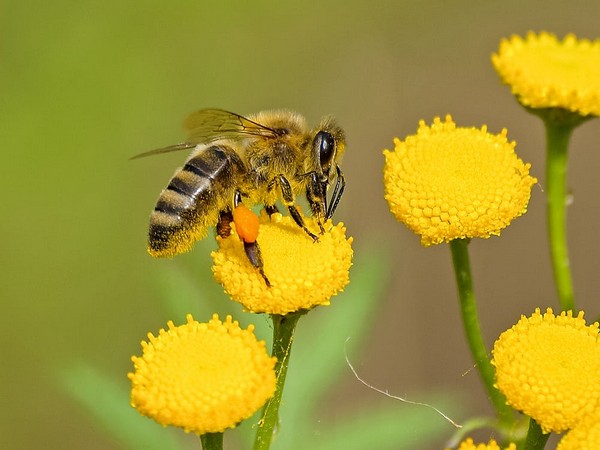
JHAPA: Beekeeping, once a thriving source of income for farmers in Jhapa, is facing a growing crisis due to recurring disease outbreaks, indiscriminate pesticide use and difficulties in marketing honey, threatening the livelihoods of commercial beekeepers.
Devi Kumari Dahal of Shivasatakshi Municipality-11, popularly known as the ‘Bee Sister’, has lost 150 beehives to disease, leaving her with only 50 colonies.
Dahal began commercial beekeeping 18 years ago with a group, starting with just two hives and an investment of Rs 1,000. Her enterprise gradually expanded to as many as 900 hives, enabling her to produce around 10,000 kilograms of pure honey annually and earn up to Rs 3 million.
Despite receiving the Presidential Award for her contribution to beekeeping, Dahal now finds it increasingly difficult to sustain the business as disease outbreaks and market-related challenges continue to erode her investment.
“Recurring disease outbreaks have caused enormous losses. With such substantial investments already at stake, continuing the business has become increasingly difficult,” she said, calling on concerned authorities to introduce supportive policies and ensure reliable markets for honey producers.
Although commercial beekeeping offers considerable income-generating potential, farmers are increasingly becoming discouraged by bee diseases, pesticide exposure, inadequate government support and weaknesses in market management.
Bhuwan Adhikari of Kankai, who operates Kankai Beekeeping Industry, said he earns around Rs 2 million annually from approximately 100 beehives. However, he complained that the business has not generated returns commensurate with the investment and effort involved.
He said the indiscriminate use of pesticides in agricultural fields has become a serious threat, as bees often fail to return to their hives after going out in search of nectar and pollen. He also expressed dissatisfaction over the lack of meaningful incentives and support from government agencies.
Adhikari urged local governments and the provincial government to introduce farmer-friendly programmes to protect bees and ensure the sustainability of commercial beekeeping.
Rabin Bhattarai, chief of the Agriculture Section at Shivasatakshi Municipality, said farmers in the municipality were still operating more than 2,000 beehives and producing honey commercially. However, disease outbreaks, pesticide use and marketing difficulties were increasingly discouraging farmers from continuing the business.
Similarly, Nanda Kumar Dangal, a beekeeper from Shivasatakshi who produces up to 2,000 kilograms of honey annually, said the indiscriminate application of pesticides in agricultural fields had emerged as one of the biggest threats to the sector.
He said the growing use of chemical pesticides was undermining bee populations and putting the future of commercial honey production at risk.






Comment