




KATHMANDU: The monsoon season often brings a rise in fungal and bacterial skin infections, particularly among people working in paddy fields and other agricultural work where their hands and feet remain wet for long periods.
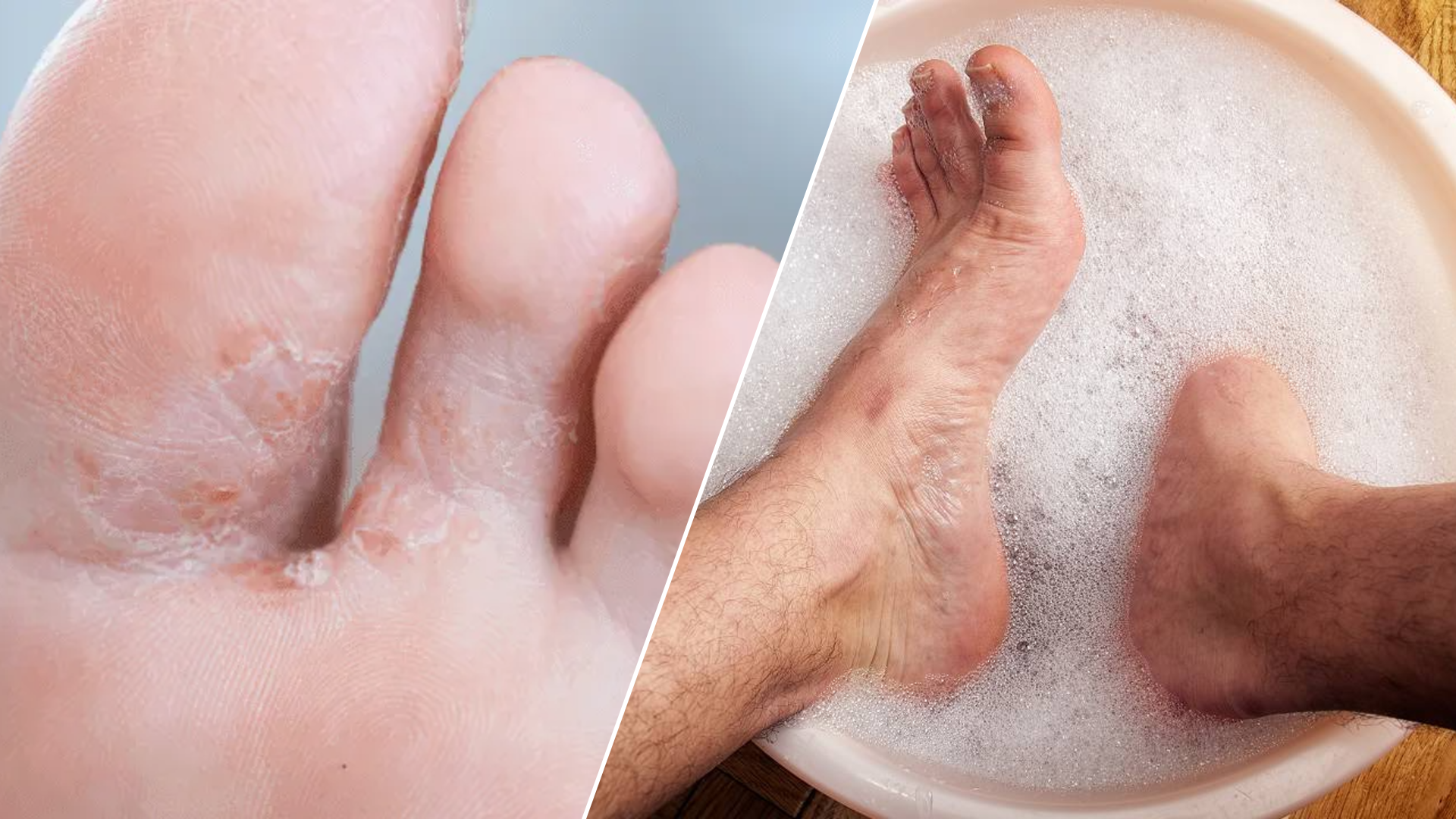
Commonly known as “mud rot” or “mud infection,” the condition mainly affects the fingers and toes, causing itching, swelling, blisters, peeling skin, foul odor, and the discharge of fluid or pus.
According to dermatologists, hospitals are seeing an increasing number of patients with fungal infections, dermatitis and other monsoon-related skin diseases.
Dr. Sudhir Baniya, a dermatologist and venereologist at Shukraraj Tropical and Infectious Disease Hospital in Teku, said prolonged exposure to muddy water, constant friction and damp skin create ideal conditions for fungal and bacterial infections.
“In medical terms, this condition is caused by fungal and bacterial infections,” Dr. Baniya said. “People who work for long hours in muddy or waterlogged fields are particularly vulnerable. If left untreated, the infection can spread rapidly to the toenails and surrounding skin.”
According to Dr. Baniya, the infection often begins with mild itching but can gradually worsen. Common symptoms include itching and a burning sensation, swelling and tenderness of the fingers or toes, blisters, peeling or cracked skin, fluid or pus discharge, foul odor, and painful sores as the infection progresses.
Many people dismiss the condition as a minor seasonal problem. However, Dr. Baniya warned that if it is left untreated, the infection can spread to deeper layers of the skin, increasing the risk of serious bacterial infections such as cellulitis and chronic skin damage. In rare cases, long-standing untreated skin ulcers or chronic inflammation may also increase the risk of certain types of skin cancer.
Dr. Baniya said most mild cases can be treated at home by maintaining proper hygiene and keeping the affected area dry. He recommends washing hands and feet with clean, lukewarm water every morning and evening, drying them thoroughly—especially between the fingers and toes—and applying petroleum jelly (Vaseline) or a moisturizing ointment to protect the skin and reduce friction.
Wearing breathable footwear instead of tight or plastic shoes and allowing the affected area to remain exposed to air whenever possible can also help speed recovery.
However, he stressed that medical attention is necessary if the infection does not improve after several days of home treatment, or if pain, redness, swelling or pus worsens, the wound enlarges, or the infection spreads deeper into the skin.
In such cases, patients should consult a dermatologist, who may prescribe antifungal or antibacterial creams, oral medications, or other appropriate treatment.
Dr. Baniya emphasized that maintaining good hygiene, keeping the skin dry, and seeking timely treatment are the most effective ways to prevent complications and recover quickly from monsoon-related fungal infections.





Comment