




KATHMANDU: The Ministry of Finance has objected to what it described as misleading publicity surrounding amendments made to the Finance Bill, stating that the changes were limited to correcting errors and improving linguistic clarity rather than altering tax rates.
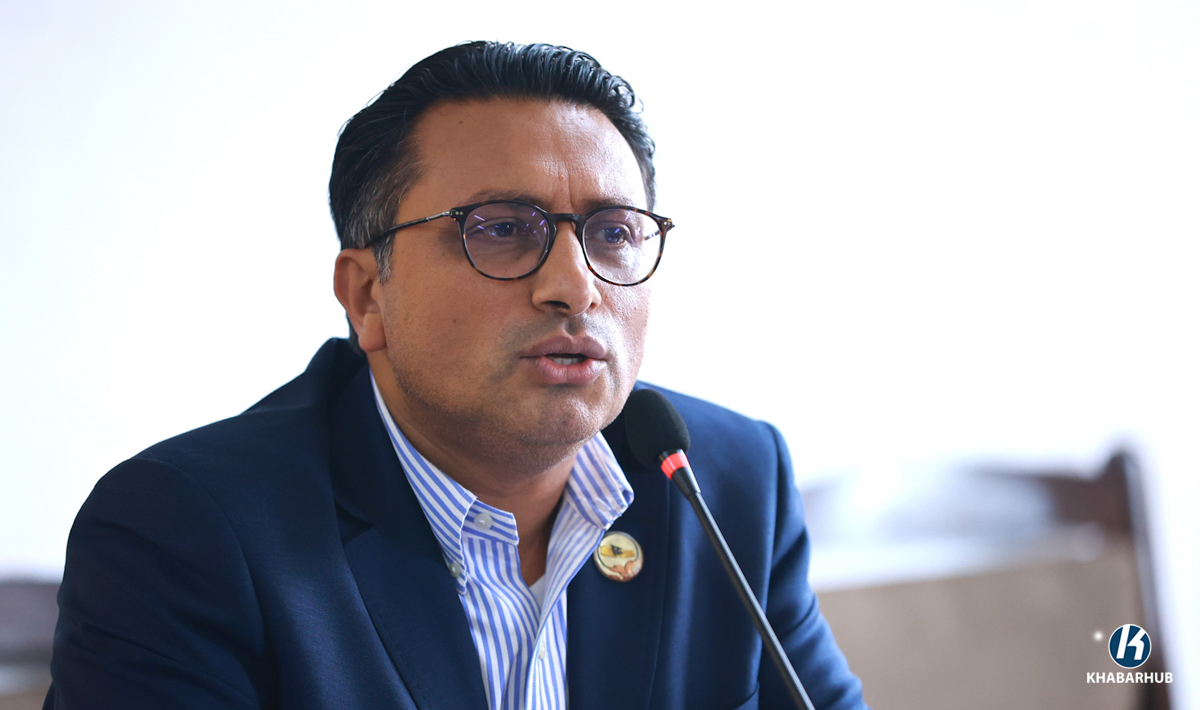
In a clarification issued on Tuesday, the secretariat of Finance Minister Swarnim Wagle said claims that tax rates were changed after the bill was tabled in Parliament are baseless.
The statement, released by the minister’s personal secretary and public relations adviser Nabin Dhungana, sought to clarify concerns related to amendments to the Finance Bill and allegations surrounding the import of electric vehicles (EVs).
According to the ministry, certain ambiguities and language-related errors were identified in the Finance Bill presented to both houses of Parliament on May 29. As a result, an amendment request was formally registered with the Parliament Secretariat on May 31.
The ministry said corrected pages were subsequently incorporated into the bill and distributed to lawmakers, while updated versions were also uploaded to the parliamentary website.
It further noted that correcting errors in financial legislation is not a new practice, citing previous budgets in which similar revisions had been made. The ministry pointed to last year’s Finance Bill, which reportedly included amendments affecting tax rates on 73 tariff headings, arguing that the current changes were being unnecessarily politicized.
The ministry also rejected allegations that information regarding customs duty revisions had been leaked before the budget announcement to benefit electric vehicle importers.
According to the clarification, Laxmi E-Mobility imported around 200 Kaiyi-brand electric vehicles through Rasuwagadhi Customs. The ministry argued that if importers had received advance information about customs duty reductions, it would have been more advantageous to import the vehicles after the budget announcement rather than before it.
Similarly, 649 BYD Atto 1 and Atto 2 electric vehicles entered Nepal through the Korala border point in Mustang between May 22 and 27. The ministry said these imports were conducted through regular procedures, including letters of credit (LCs) and other legal requirements.
The statement emphasized that importing electric vehicles involves a lengthy process, including opening LCs, obtaining documentation from manufacturers, and securing approvals from the Department of Transport Management.
The ministry also noted that 2,764 electric vehicles were imported between May 15 and 28 this year, compared to 4,317 during the same period last year, arguing that the data does not support claims of unusual import growth.
However, it acknowledged that some vehicles cleared through the “yellow lane” document-based inspection process at Rasuwa Customs are being reviewed, and the responsibilities of certain customs officials have been reassigned pending further investigation.
The Finance Ministry urged the public to remain cautious of what it called “false information and orchestrated propaganda” regarding the Finance Bill amendments and electric vehicle imports.






Comment