




KATHMANDU: Stakeholders have warned that the ongoing conflict in West Asia could have significant economic and social repercussions for Nepal, urging the government to take timely and proactive measures to mitigate potential risks.
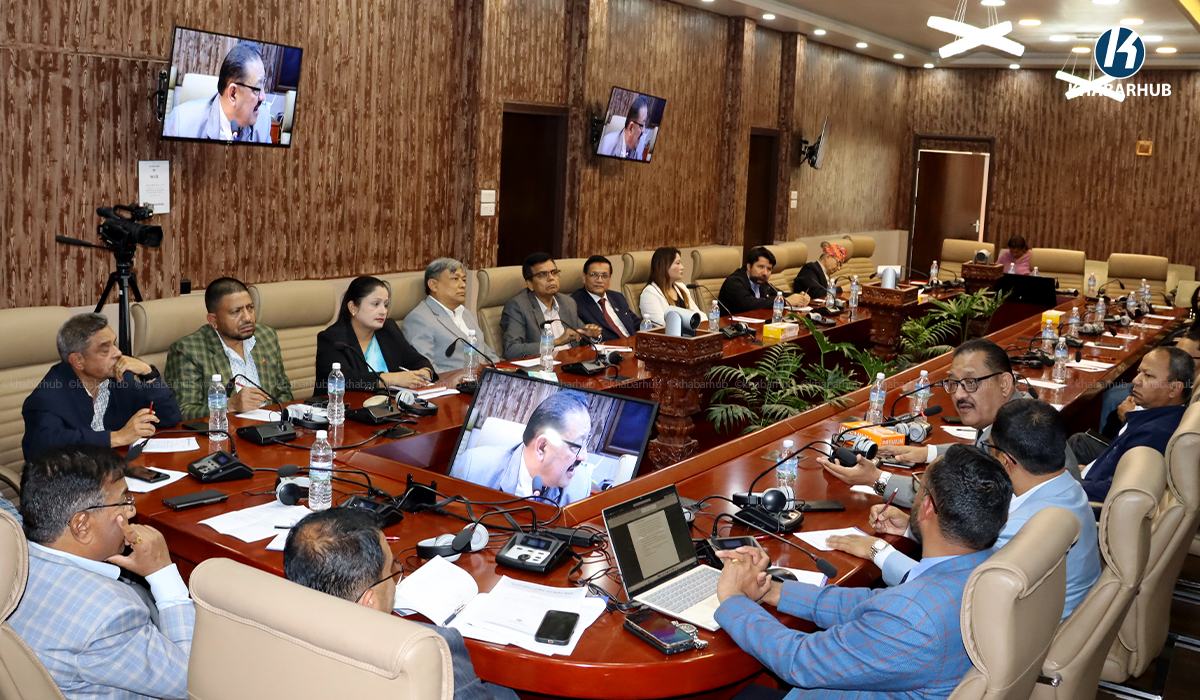
The concerns were raised during an interaction program titled “Conflict in West Asia, its impact on Nepali migrant workers and Nepal’s economy,” organized by the Institute for Strategic and Socio-Economic Research (ISSR) on Thursday.
Economist Sudhan Kumar Oli noted that although Nepal’s direct trade with West Asian countries remains limited, the country’s heavy dependence on petroleum products, chemical fertilizers, and migrant labor in the region makes it highly vulnerable to prolonged instability.
He cautioned that any disruption, particularly in key transit routes such as the Strait of Hormuz, could significantly raise production costs and strain the national economy. Oli further warned that a decline in remittance inflows due to regional instability could exacerbate poverty levels in Nepal.
He also raised concerns about the potential return of large numbers of Nepali migrant workers if the conflict escalates, questioning the country’s preparedness to reintegrate them into the domestic economy.
Deepak Shrestha, Vice President of the Nepal Chamber of Commerce, emphasized the need for the government to introduce subsidies on transit costs to offset rising import expenses. He pointed out that such measures are commonly adopted in other countries to stabilize economies and promote exports during global disruptions.
Representatives from the construction sector highlighted rising costs and supply constraints triggered by the conflict. Rabi Singh, former president of the Federation of Nepal Construction Entrepreneurs, said the price of bitumen has surged from around Rs 50 per kg to nearly Rs 150, with similar increases seen in other construction materials.
He criticized the government for not addressing calls to declare a temporary “construction holiday” and pointed out the lack of a dedicated construction cost index by Nepal Rastra Bank.
Mahesh Kumar Basnet, Secretary General of the Nepal Foreign Employment Association, stated that labor migration to West Asia—one of the primary destinations for Nepali workers—has already been disrupted for over a month. He added that labor approvals for several countries in the region have been halted since February 17, further affecting employment prospects and remittance flows.
Communication entrepreneur Bhaskarraj Rajkarnikar stressed that the economic impact of the conflict would disproportionately affect Nepal’s middle- and lower-income groups. He urged the government to adopt an emergency-response approach, warning that delays in action could worsen the situation.
Participants from human rights organizations also emphasized that the government must not view the crisis solely through an economic lens, but should prioritize the protection, safety, and rights of Nepali workers in the affected regions.
Turning crisis into opportunity
Despite the challenges, Nepal Rastra Bank Executive Director Ram Sharan Kharel suggested that the situation could also present opportunities for Nepal. He noted that instability in West Asia may reduce investment flows to the region, creating a window for Nepal to attract foreign investment by strengthening governance and improving the business environment.
Kharel further recommended reducing recurrent expenditure while increasing capital investment, arguing that economic resilience and development require strategic adjustments during times of crisis.
Meanwhile, Pushparaj Bhattarai, Joint Secretary at the Ministry of Foreign Affairs, said the government has begun preparations to address the potential impacts of the conflict. He informed that a “situation room” is being established and data on migrant workers is being collected to facilitate timely response measures.
He also noted that a task force led by the Foreign Minister is being formed to assess the broader implications of the conflict, and that coordination has been initiated with international organizations such as the Non-Resident Nepali Association (NRNA) and the International Labour Organization (ILO) to ensure support for affected Nepali workers.
Other participants, including ISSR representatives Shankardas Bairagi, Naresh Shrestha, and Prem Kandel, also shared their perspectives during the discussion.





Comment