




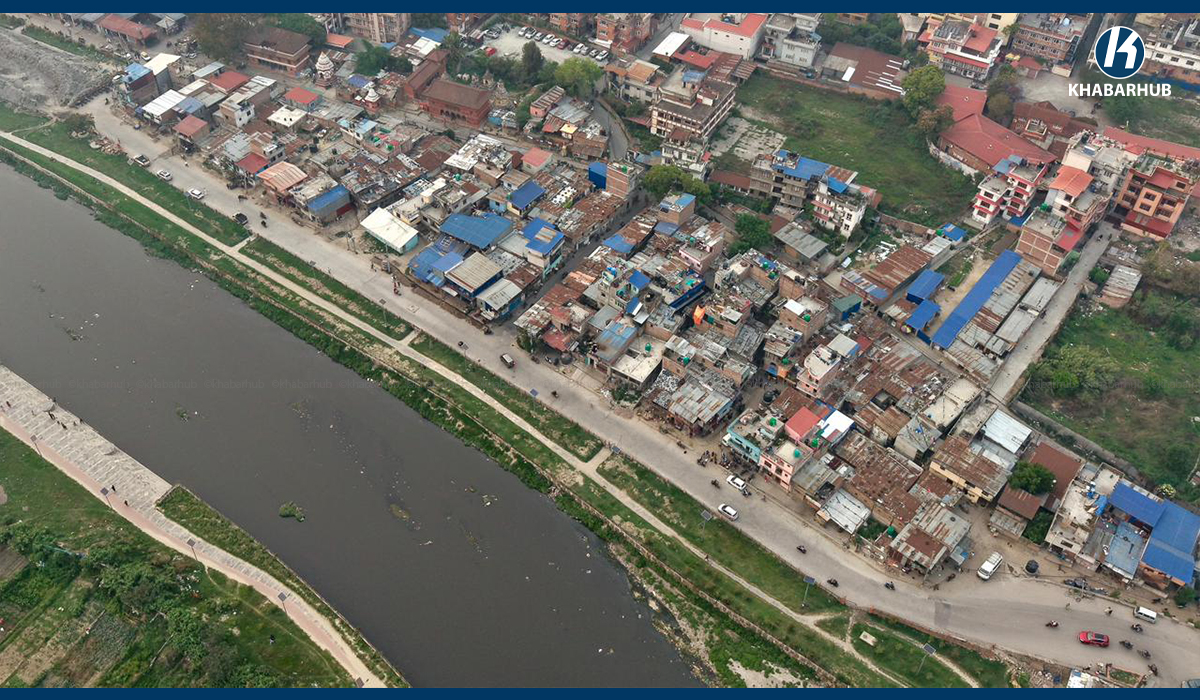
KATHMANDU: The Kathmandu Valley Development Authority, under the leadership of the Office of the Prime Minister and Council of Ministers, is set to begin collecting integrated digital records of landless squatters and unorganized settlers.
According to Deepa Dahal, press and research expert to Prime Minister Balendra Shah, preparations for the digital data collection have reached the final stage. She said that, in the first phase, integrated digital records will be collected from people currently residing both inside and outside the holding centers in Kathmandu, before gradually expanding the process to other districts.
The government will issue a public notice requesting those not residing in holding centers to appear at designated data collection centers with the required documents within a specified timeframe.
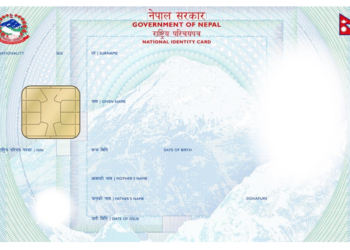
Applicants have been categorized into three groups for the data collection process: those with national identity cards, those possessing only citizenship certificates, and those without any identity documents. Separate records will be maintained for each category.
For individuals without identity documents, arrangements are being made to issue national identity cards through a joint help desk at the holding centers.
The digital system will include personal and family details, socio-economic status, sources of income, occupation, educational background, health condition, skills, and land-related information. Biometric and photographic data will also be collected and verified through other government systems.
Each participating family will receive a digital identity card. The government will also facilitate bank account openings for those without accounts, and any relief, grants, or rehabilitation assistance provided by the state will be distributed through those accounts.
The government plans to integrate the system with rehabilitation, employment, entrepreneurship, and social security programmes. Officials say the collected data—including information related to skills, health conditions, chronic illnesses, pregnancy, and household income—will help the government implement targeted support programmes more effectively.
Point No. 91 of the government’s 100-point governance reform agenda includes the collection and verification of integrated digital data of landless squatters and unorganized settlements across the country. Prime Minister Shah has already publicly announced the initiative.




Comment