




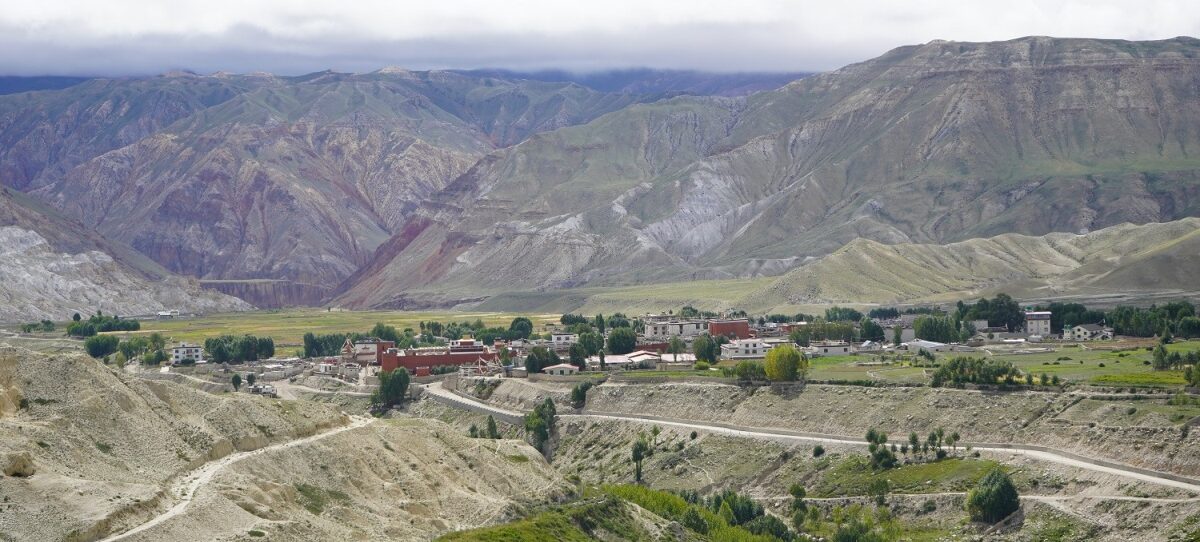
KATHMANDU: A study has highlighted significant gaps in healthcare access, nutrition, and emotional wellbeing among elderly citizens of Lomanthang in Mustang district.
The report points to widespread outmigration of younger family members for work and education, which has weakened traditional family support systems. According to the findings, 71 families were found to be living without their children, with many elderly residents reporting feelings of loneliness and abandonment despite receiving financial remittances.
The findings were presented in Kathmandu on Saturday by the Nexus Institute of Research and Innovation (NIRI), Nepal, in collaboration with the Kalasha Foundation, Switzerland.
Principal researcher of the Senior Citizen Care (SCC) Project, Dr. Tulasi Acharya, said that Nepal’s traditional joint family system—where multiple generations shared caregiving responsibilities—has gradually eroded, leaving many elderly people to cope with old age alone.
Similarly, SCC Project Manager Dr. Puspa Mani Kharal noted that residents of Lomanthang wish to remain in their communities despite geographical remoteness and limited services. He stressed that appropriate care systems could significantly improve their quality of life.
The SCC project conducted field research across five wards of Lomanthang Rural Municipality, located at an altitude of around 3,800 metres. A total of 188 senior citizens aged 65 to 89 years (86 men and 102 women, with a mean age of 75.5 years) were interviewed using mixed qualitative and quantitative methods. Seniors make up 13.1 percent of the local population.
The study identified loneliness as a major sociological concern, with many elderly individuals spending entire days without meaningful social interaction as their children live abroad or are engaged in work.
It also highlighted the potential of a community-based care model using Female Community Health Volunteers (FCHVs) as a low-cost and scalable approach for elderly care in remote areas, while noting challenges such as limited literacy among some volunteers. The report said the FCHV-based model holds strong potential for replication in similar settings across Nepal.
The study further recommended that the emotional and psychological needs of elderly populations be formally integrated into Nepal’s health policy framework, along with effective implementation at the community level.
The findings were shared at a programme attended by health professionals, policymakers, researchers, and other stakeholders.





Comment