




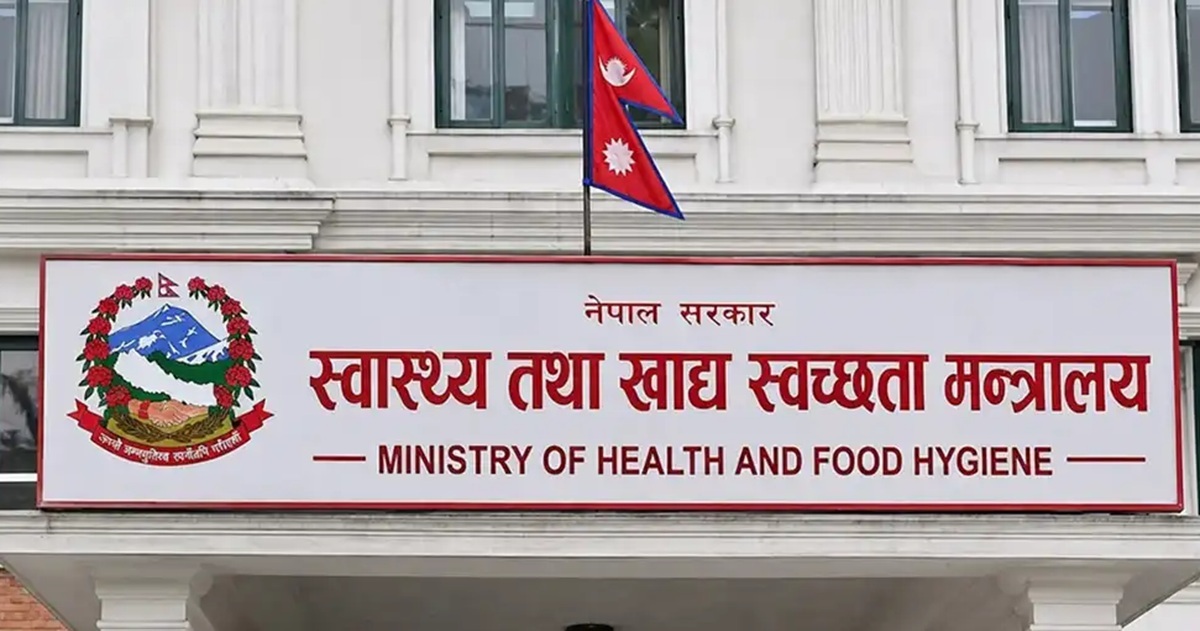
KATHMANDU: The government has approved new standards aimed at systematically preventing, identifying and treating altitude sickness in high-altitude and mountainous regions.
The Ministry of Health and Food Hygiene has approved the Standards for the Management of Altitude Sickness in High-altitude and Himalayan Areas, 2083.
The new standards aim to ensure the timely identification and treatment of altitude sickness among tourists, trekkers, mountaineers and local residents travelling to high-altitude areas.
According to the standards, atmospheric pressure decreases at altitudes of 2,500 metres or above, reducing the availability of oxygen in the body. Altitude sickness occurs when the body fails to adapt to these conditions. If not treated promptly, it can lead to serious complications, including fluid accumulation in the lungs and swelling of the brain, which can even result in death.
The standards outline several preventive measures, including ascending gradually, allowing the body sufficient time to acclimatise, staying hydrated and avoiding further ascent if symptoms of altitude sickness develop.
They also require patients experiencing altitude-related complications to be moved to lower altitudes immediately. Oxygen therapy and hyperbaric chambers, also known as Gamow bags, should be used when necessary, alongside appropriate medical treatment.
Under the standards, health institutions in high-hill and mountainous regions must be equipped with oxygen cylinders, oxygen concentrators, pulse oximeters, Gamow bags, emergency medical equipment and essential medicines.
The document also includes a list of essential medicines and equipment required for the treatment and management of respiratory problems.
The standards further define the responsibilities of the federal, provincial and local governments. The federal government will oversee policies, standards, human resources, budget allocation and monitoring, while provincial governments will focus on strengthening the capacity of health workers and providing technical support.
Local governments will be responsible for expanding access to health services, ensuring the availability of essential medicines and supplies, and establishing systems to refer patients to appropriate health institutions.
The ministry said the standards were issued under the authority granted by Section 64 of the Public Health Service Act, 2075.




Comment