




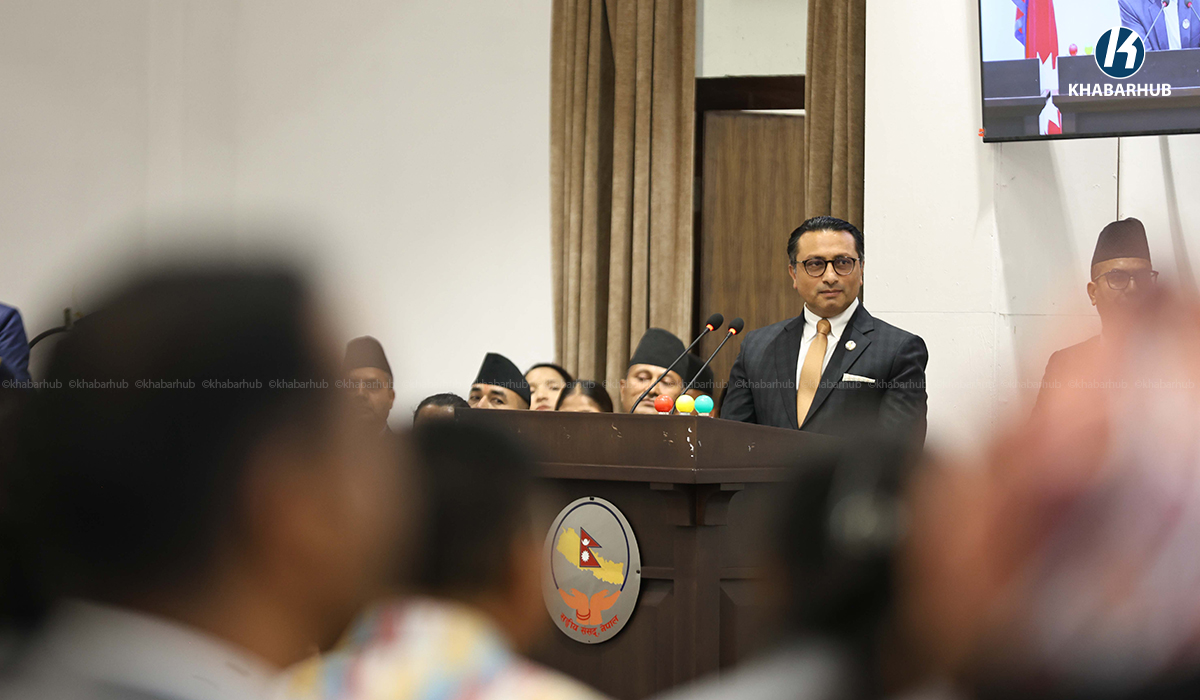
KATHMANDU: Questions have been raised over a series of revisions made to the Finance Bill by Finance Minister Swarnim Wagle after the presentation of the budget for the upcoming fiscal year, prompting concerns from opposition lawmakers and policy observers.
The controversy has drawn comparisons with the budget dispute of fiscal year 2022/23, when former Finance Minister Janardan Sharma resigned amid allegations that unauthorized individuals were allowed into the Ministry of Finance during the final stages of budget preparation to influence tax rates. Although a parliamentary probe later cleared Sharma of wrongdoing, the episode sparked a major political debate.
This time, critics allege that multiple revisions have been made to the Finance Bill even after it was tabled in the House of Representatives and publicly released.
Changes in bill versions raise questions
According to economist Govinda Nepal, a finance minister may amend a Finance Bill, but such changes generally require Cabinet approval while Parliament is in session.
Observers have pointed to discrepancies between different versions of the bill. The version currently registered with the House of Representatives reportedly differs in length from versions previously made public, while the document available on the Ministry of Finance website has also undergone revisions.
Beyond editorial and formatting changes, critics claim that substantive amendments have been introduced, including revisions to tax-related provisions.
Among the reported changes are modifications to tax exemption provisions related to electricity transactions, adjustments affecting infrastructure-related charges on vehicles, and new income tax deductions linked to educational expenses.
Critics have also highlighted provisions granting tax exemptions to movie theatres established outside metropolitan and sub-metropolitan areas for up to ten years from the commencement of commercial operations, arguing that such clauses were not included in the original version presented to Parliament.
Opposition preparing to raise issue
While the ruling coalition has largely remained silent on the matter, opposition lawmakers have indicated that they intend to seek clarification once parliamentary proceedings resume.
Nepali Congress Chief Whip Basana Thapa said she had reviewed the amendments and found significant changes in the bill.
“I have studied the documents. Around 17 pages appear to be missing, and several provisions have been altered,” she said, adding that the issue would be formally raised in Parliament.
Similarly, lawmaker Ramesh Malla of the Nepali Communist Party has publicly criticized the revisions, arguing that removing pages and altering provisions after presentation raises serious procedural concerns.
Although opposition parties have frequently challenged the government on various issues, they have yet to formulate a unified strategy regarding the Finance Minister’s handling of the Finance Bill. The matter is expected to become a subject of debate once Parliament reconvenes.






Comment