




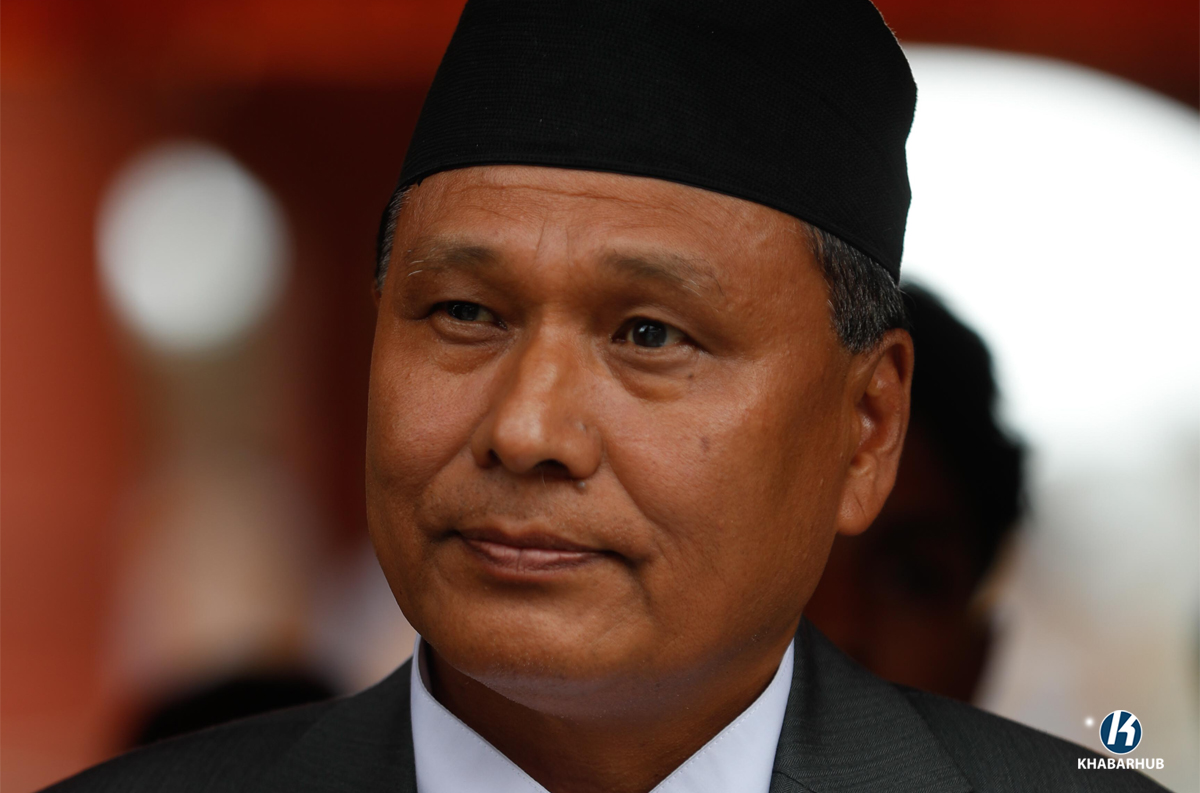
KATHMANDU: When the Ujyalo Nepal Party led by Kulman Ghising entered into a 12-day unification with the Rastriya Swatantra Party (RSP), the party came close to collapsing even before it could fully take shape. The hurried unification carried out on December 28, 2025, fell apart on January 10, leaving the party nearly crippled.
A party that had already built organizational structures across the country was shattered after entering a unity process without a clear goal or plan. Because of the 12-day unification, many leaders and cadres chose to remain within RSP. Even those who returned to Ujyalo Nepal have gradually been distancing themselves from Ghising.
Due to the unification agreement with RSP, Ghising’s Ujyalo Nepal Party was unable to send its leaders on the proportional representation closed list. The losses incurred from breaking away just 12 days after unification are still being borne by Ghising. A party that had already stood upright is now being dragged along with difficulty.
After the sudden unification with RSP collapsed, Ujyalo Nepal supported the National Transformation Party under the proportional representation system. It has fielded its own candidates nationwide under the first-past-the-post system. Contesting the election with the Bansuri election symbol for proportional representation and the electric bulb symbol for direct elections, the impact of the split is visible all the way down to the grassroots.
Even Ghising himself, who is contesting from Kathmandu Constituency No. 3, has not been able to fully convince supporters about the 12-day unity and subsequent split with RSP.
Overall, Ghising has been at a loss due to the unification with RSP. He still regrets having been entangled for those 12 days. However, he is not sitting idle complaining. On Thursday as well, he reached the rural areas of Dhanusha and Siraha with his election campaign. He is moving forward with the belief that people will reward his integrity and commitment to the nation with a respectable mandate.
Winning from Kathmandu-3 does not appear easy for Ghising. However, he claims he can win the election from this constituency, which also has a significant population of indigenous nationalities.
Speaking to Khabarhub, Ghising said that the Ujyalo Nepal Party has kept the door open for cooperation with other parties in the election.
“An alliance is possible. We have been saying this time and again. In this election, we have kept the option open to form local alliances in certain constituencies. We are open,” he said.
On Thursday, he reached Janakpur as part of the election campaign. Claiming that his party has a strong presence in Madhesh as well, Ghising said, “People here are enthusiastic about voting for the Bansuri symbol in proportional representation and the bulb symbol in direct elections. We will get good seats from Madhesh.”
He added, “I have also prioritized my own constituency. We suffered some losses in between due to confusion, but the party will gradually recover.”
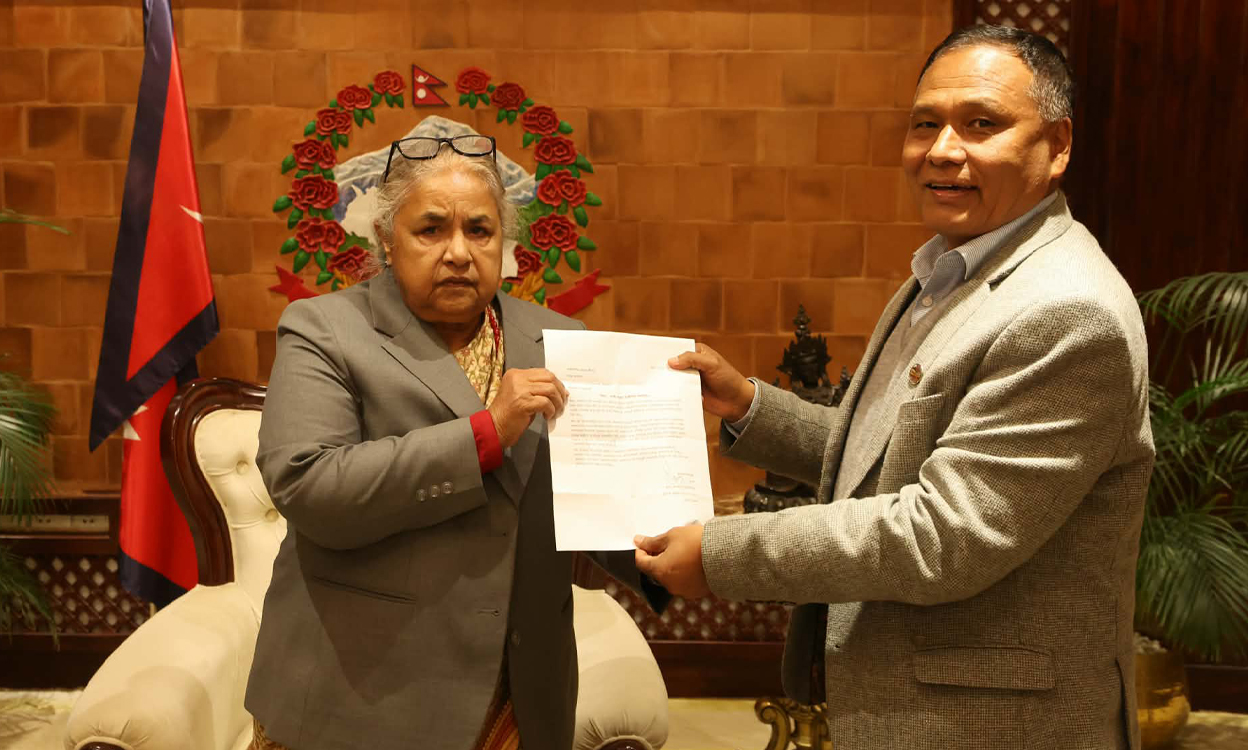
Stating that his political journey has not been easy, Ghising says he did not enter politics in search of a comfort zone.
“If I only wanted to stay comfortable, I could have just continued with my job. I could have remained silent, doing only easy work. My point is that one must step out of the comfort zone and face challenges. I am ready for that,” he said.
Ghising, who handled three ministries in the interim government led by Sushila Karki, also carried out some notable work in roads and infrastructure. We spoke with Ghising on issues including the party’s size after the election, electoral alliances, and his experience of leaving the civil service and entering politics.
Excerpts:
You are entering electoral politics for the first time. How does it feel?
Elections are certainly not easy. But I am taking this in stride and working accordingly. I am not working only to win in my personal constituency but to elevate the party’s standing across the country. There are various accusations and attacks. I am working honestly to counter them.
This is your first parliamentary election. Do you think you will win?
I have contested the election believing that I will win. We will win. I filed my candidacy from Kathmandu-3 in line with the wishes of the general voters. Voters trust us. It is with their trust and support that I decided to move forward on this journey.
You are also called the architect of Ujyalo Nepal. Having reached this point with that image, what is your core political agenda now—to win the election?
We have come here with the promise of making the country prosperous. We carry the resolve to build a corruption-free nation. We are preparing blueprints on what we can do for the prosperity of our constituency and the country as a whole. We are preparing commitments on education, health, infrastructure, and employment.
We have already delivered results in the past. Our performance was evaluated when we were in the civil administration, people have already judged us. In the days ahead, we will focus on implementing our vision. Voters will elect us to lead the country on the path of prosperity and good governance.
You are facing many political challenges right now. How do you feel about overcoming them?
If I only wanted to stay in my comfort zone, I could have just continued with my job. I could have stayed quiet doing easy work. My clear position is that one must step out of the comfort zone and face challenges.
Had I remained in the comfort zone, I could have lived a comfortable life based on my experience, expertise, and identity. I could have taken up jobs or done business. Reputed institutions even offered me jobs. I could have stayed there.
But I did not consider that necessary. My objective is not that. My objective is to eradicate poverty, create employment, make the country self-reliant, and lead it toward prosperity. It is to end the current corruption. I entered politics knowing full well that it is always challenging.
Everyone must come out of their comfort zone. When challenges are accepted, results can be delivered where problems exist. I am working to remove the darkness and stench in politics and bring light. That is why we have come before the people to be tested and to deliver results.
The 12-day unity with RSP caused you major losses—you couldn’t send your people under proportional representation. Didn’t those 12 days create a serious crisis for you and the party?
Let’s not call it a crisis. But during those 12 days, there was certainly an attempt to confuse and toss us around. We came this far after taking an oath of integrity. We got confused in between. We had placed great trust in a gentleman’s agreement with RSP. But we were betrayed. We have learned a big lesson from this. Sometimes there is success, sometimes failure—that happens.
But we have now moved forward. The days ahead will be better. The betrayal by alternative forces has caused some loss to our party. But sooner or later, people will understand everything. We are not panicking. We are moving ahead, believing that whatever happens is for the good.
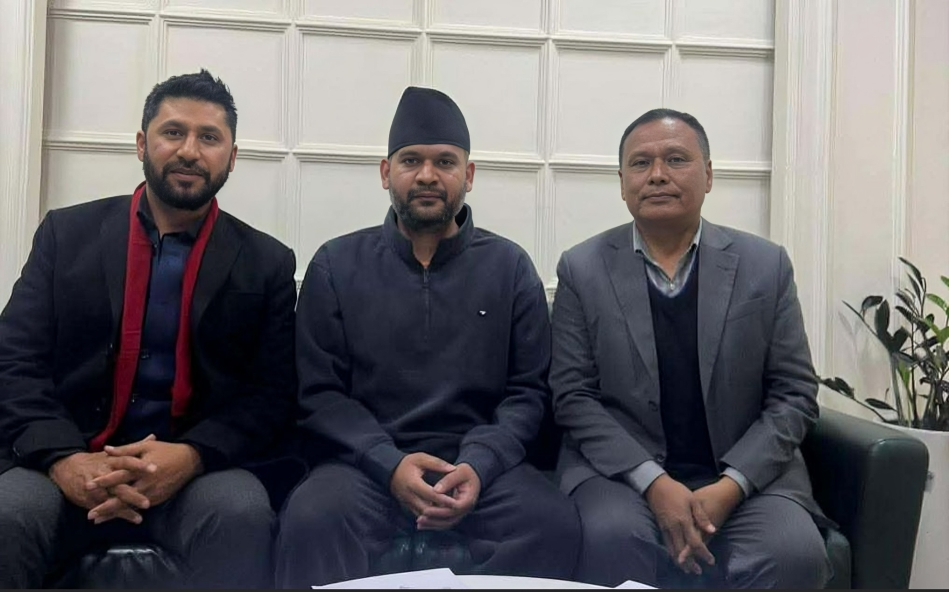
Is there any possibility of an alliance with RSP in this election?
We have not thought about an alliance with RSP at this time. We haven’t even had the time to think in that direction.
Is there a possibility of cooperation or alliance with other parties?
If circumstances arise with other alternative forces, we will decide accordingly. But at present, there is no situation to form an alliance or cooperation with anyone.
Can your goals really be achieved by moving forward alone?
We have been saying that an alliance is possible. Even in this election, we have kept the option open for local alliances in certain areas. We are open to that. But we are not in a position to form a central, nationwide alliance through unification. As you said, the door for alliances is open.
Have you received proposals for alliances so far?
We have received proposals from many places. But we are not in favor of hastily forming alliances. After analyzing the overall situation, we will ally with those who work for the country, the people, and good governance. We are internally analyzing the proposals.
From which parties have proposals come?
I am not in a position to name them right now. Proposals have come from both new and old parties. Since we have already regretted once, we are not going to make hurried decisions.
How many constituencies do you think you will win?
Competition exists in many places. Overall, I see winning scenarios. I cannot give you an exact seat number right now, but we will win many seats. We will succeed in securing a respectable number of seats. This is based on people’s trust. Right now, we are being tested. After the test, I am confident people will choose us.
But some people ask: why vote for the Bansuri (flute) symbol when Ujyalo Nepal exists?
This party was formed around the Gen-Z movement to address the aspirations and sentiments of the Nepali people. It was formed to make the country prosperous and corruption-free. It is a party that has come with new energy. It was born for overall transformation and economic reform in Nepal.
This party is not here just to give speeches or chant slogans. It is here to deliver results. Parties that failed to deliver results have already been tested. We work with a results-oriented approach.
We have come forward as a party that carries the momentum of a movement and delivers outcomes. Our leadership includes individuals with the right policies and capabilities. That is why I am confident that people will choose this party.
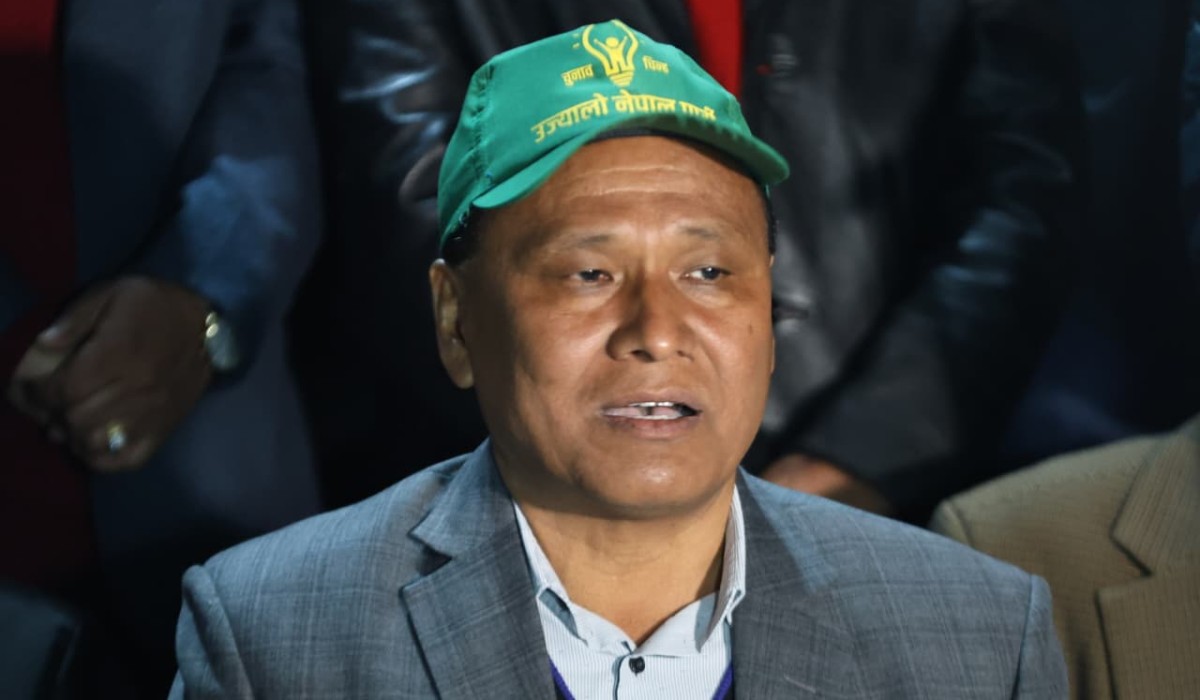
It is said that winning even your own constituency will not be easy. What do you say?
Talk to the voters and well-wishers there. Please do not analyze things by chasing rumors spread on social media. I left my home district and contested from there because the people of my constituency supported me with hope and trust. As for whether I win or not, our party leaders across the country will win with respectable votes, without making noise.
After the election, are you also a contender for prime minister?
Rather than declaring this or that person as prime minister now, the real prime minister is the one chosen by the people. One does not become prime minister just by giving speeches asking people to make them one.
To become prime minister, people must elect you and trust you collectively. We believe in working rather than making noise. People have given me full support.
I have not done anything that harms the people, the country, or my supporters. That is why I am confident people will elect me. But I certainly did not enter politics just to become prime minister.
If people trust me, that responsibility may come. But I am not desperate to become prime minister. I am someone who speaks for ensuring that every household can keep its stove burning. I remain firm on that commitment even today.





Comment