




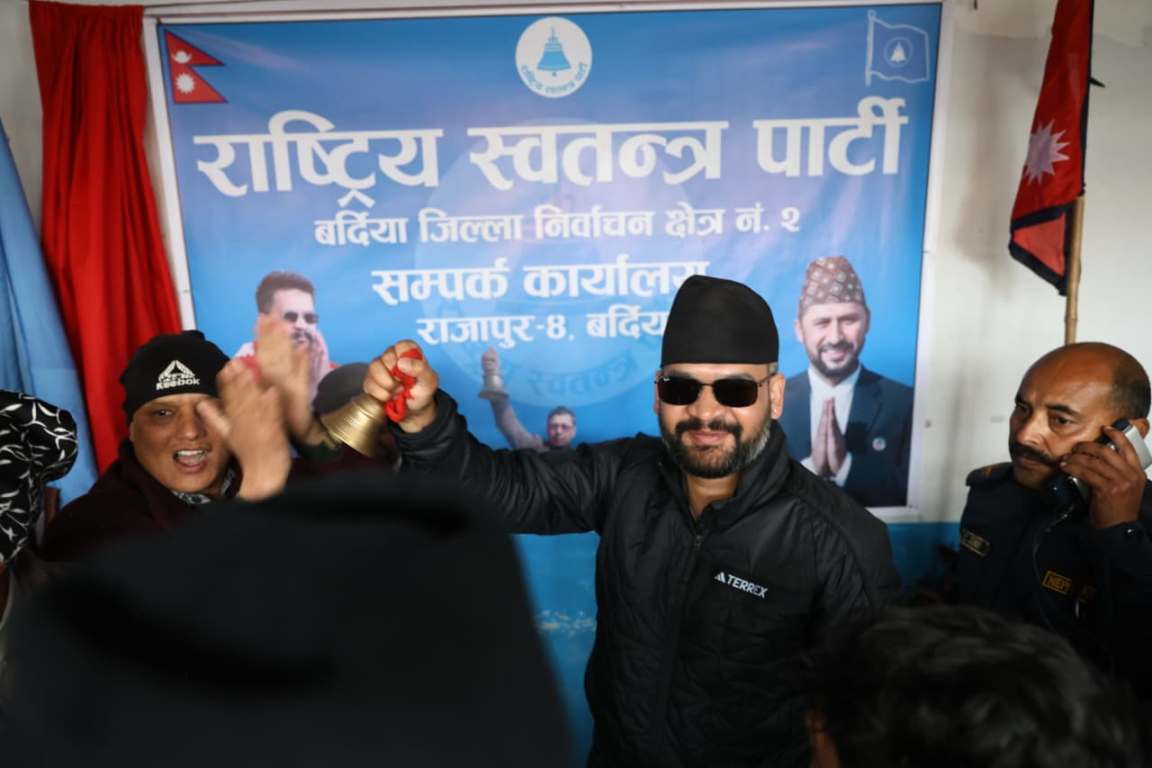
KATHMANDU: Senior leader of the Rastriya Swatantra Party (RSP), Balendra Shah (Balen), is touring the country with hopes of becoming Prime Minister after the upcoming House of Representatives election on March 5.
Although Kathmandu remains the party’s political hub, Shah has focused this time on contesting in Jhapa–5, where he faces CPN-UML chair KP Sharma Oli. He previously toured the Far-Western and Karnali regions and recently returned from there before heading back to Jhapa.
After submitting his nomination, Shah has actively deployed his wife, Sabina Kafle, in the constituency to mobilise support. The party is trying to capitalise on the post-Gen-Z protest wave, which expressed frustration with traditional parties and enthusiasm for new political alternatives. With RSP chair Rabi Lamichhane stepping aside due to legal controversies, Shah has become the party’s main candidate to secure a majority.
Connecting with voters
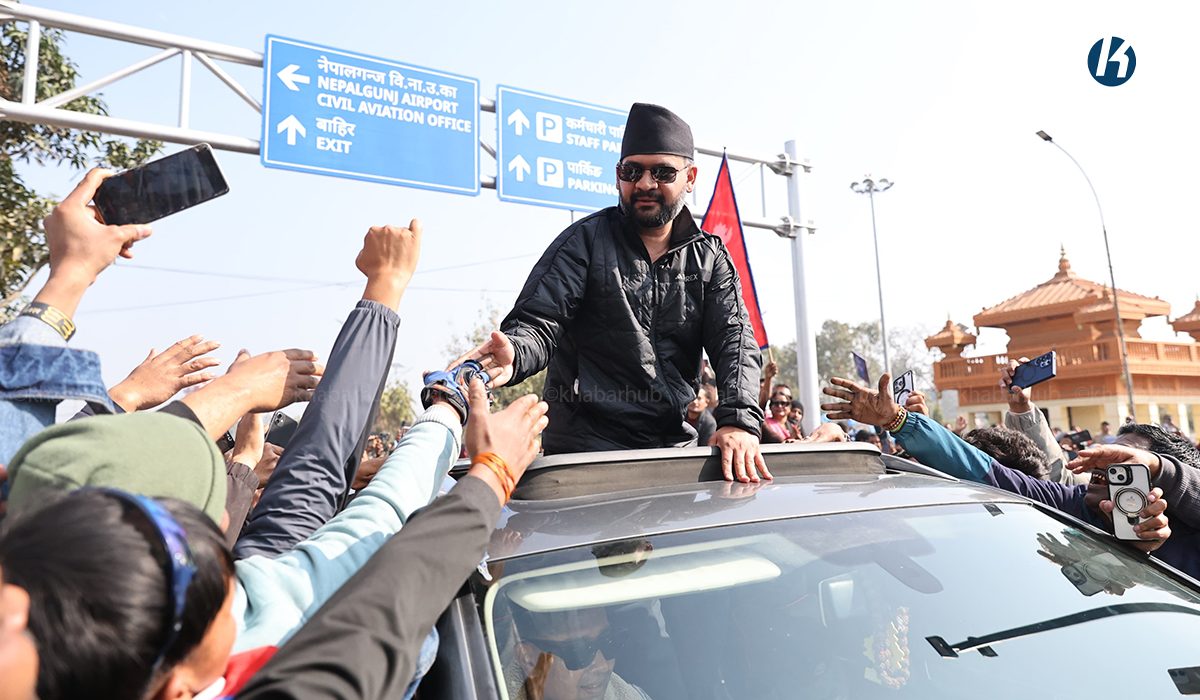
Shah’s campaign is focused on engaging directly with voters, including communities often overlooked in urban centres. In Jhapa–5, he visited squatter settlements, acknowledging the importance of their votes and promising land rights for displaced families.
Shah’s approach contrasts with his previous tenure as Kathmandu Mayor, when forced evictions drew criticism. This time, he aims to rebuild trust by directly interacting with local residents and understanding their concerns.
Party sources say the tour is also intended to assess ground-level support for RSP ahead of the polls. Shah and his team are gauging voter sentiment through local interactions and community meetings, with social media buzz also reflecting positive reception.
Balendra Shah has been nicknamed the “son-in-law candidate” in Jhapa–5 because his wife Sabina’s maternal home is in Morang’s Urlabari. Earlier, he was referred to as a “tourist candidate” due to lack of local ties. Shah and Sabina have temporarily left their daughter in Kathmandu while campaigning in Damak and surrounding areas.
Party dynamics
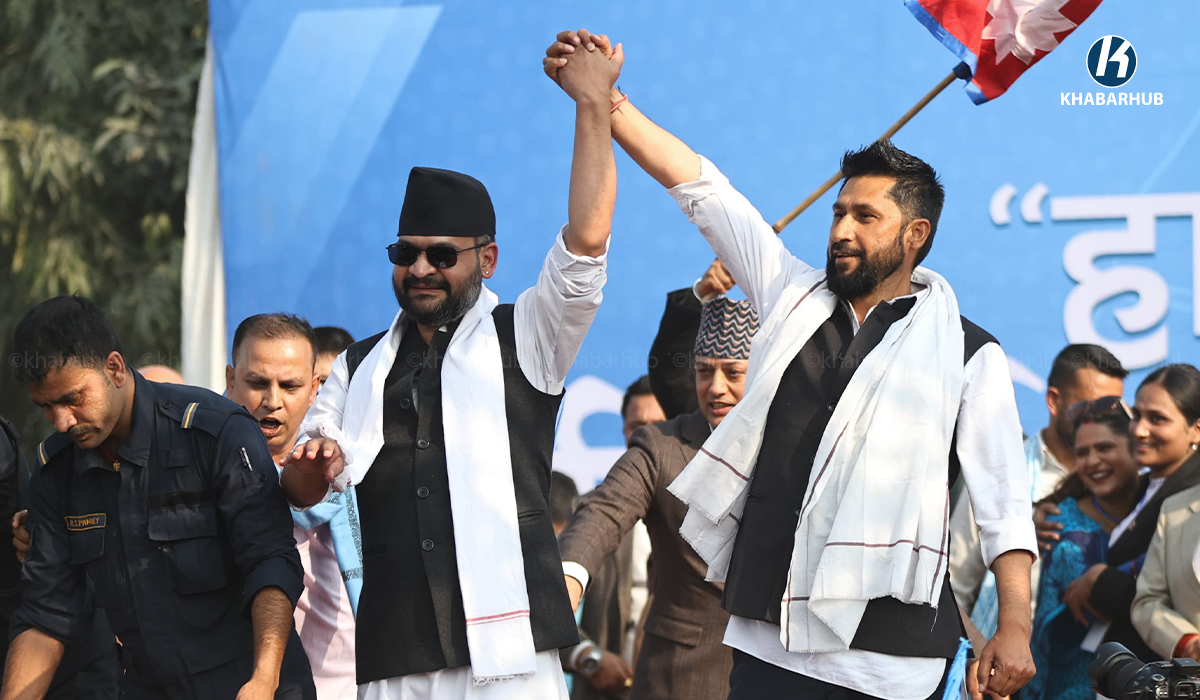
RSP chair Rabi Lamichhane remains largely inactive on the campaign trail due to a leg injury. Senior party members confirmed that Lamichhane planned to travel with Shah but was advised by doctors to rest. Party leaders say Shah’s nationwide tour is sanctioned and part of the strategy to strengthen voter engagement in his absence.
Shah’s team has also ensured interactions with local ward and municipal leaders to understand organizational issues and voter priorities. Party sources note that these efforts aim to consolidate support and maximize votes for both Shah and the party.
Logistics and strategy
For campaign operations, Shah has set up a temporary base in Damak. Party sources confirm that campaign meetings, coordination, and lodging are being handled from this site. The party’s central office remains secondary, as Shah meets supporters at locations convenient for both the candidate and voters.
RSP leaders emphasise that Shah’s direct engagement is critical to translating social media enthusiasm into actual votes, especially in a competitive constituency like Jhapa–5, traditionally an UML stronghold.
Shah’s nationwide campaign, alongside careful deployment of his team and family, reflects RSP’s strategic focus on voter connection, grassroots presence, and maximizing impact in the upcoming polls.


Comment