




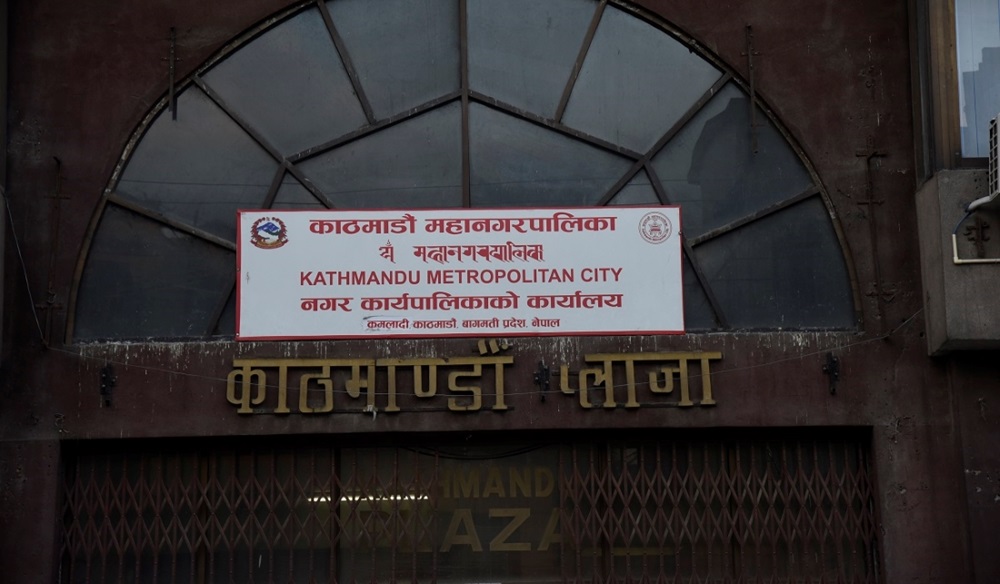
KATHMANDU: Kathmandu Metropolitan City is set to prepare a comprehensive action plan for routine vaccination services provided by both government and private health institutions within its jurisdiction from this year.
In previous years, the metropolis prepared detailed action plans only for vaccination programmes conducted through its health promotion centres. From this year, however, the metropolis will also assess routine immunisation services and vaccine-preventable diseases, disseminate information about new vaccines and diseases, promote hygiene, and regularly update its vaccination action plan, according to Maiya Saiju, a public health officer and local resource person for the vaccination programme.
The programme has been divided into two phases. The first phase began on Tuesday with the participation of vaccinators from health institutions providing vaccination services within the metropolis.
The workshop aims to expand access to routine vaccination services and identify children who have missed vaccines or have not received the full course of immunisation. It will analyse data submitted by health institutions, including vaccination coverage, dropout rates, vaccine wastage, and access to services, before developing plans at both ward and metropolitan levels.
According to vaccination data for fiscal year 2082/83, coverage of most vaccines in Kathmandu Metropolitan City exceeds 100 percent of the estimated target population. Pravina Karmacharya, a public health officer at the Kathmandu Health Office, said BCG coverage stood at 318.96 percent, while coverage for the first and third doses of DPT-HepB-Hib was 132.75 percent and 133.02 percent, respectively.
Similarly, coverage of the first dose of polio vaccine was 133.02 percent, while PCV first-dose coverage stood at 132.88 percent. Coverage of the first and second doses of measles-rubella (MR) vaccine was 114.27 percent and 110.94 percent, respectively.
Despite the high reported coverage rates, only 72.08 percent of children were recorded as having received the full course of vaccination. The figures indicate a need for closer analysis of target population estimates, service utilization, recording and reporting practices, and the actual number of children completing the full vaccination schedule.
Saiju said the assessment would consider dropout rates, the number of unvaccinated children, vaccine wastage, access to services, and service utilization as key indicators.
The programme will seek evidence-based answers to questions about which children are being missed, why they are missing vaccinations, which areas face limited access, and why some children do not return for subsequent doses after receiving their first vaccine.






Comment