




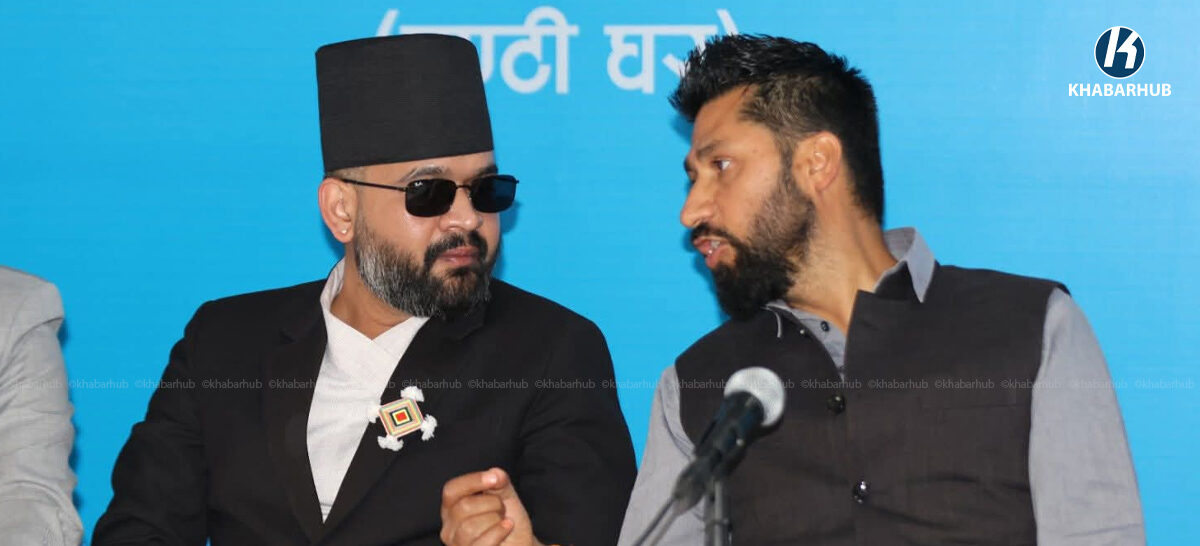
KATHMANDU: Differences have surfaced within the Rastriya Swatantra Party over Prime Minister Balen Shah’s controversial statement that Nepal has also encroached on Indian territory, with a section of party leaders reportedly calling for an apology in Parliament.
According to party sources, leaders associated with the former Bibeksheel Sajha group, along with several senior RSP figures, believe the Prime Minister should withdraw the statement and apologize to the nation through Parliament. Another faction, including leaders closer to the Prime Minister, is said to be opposed to such a move.
The dispute emerged during discussions within the party following the Prime Minister’s remarks in the House of Representatives on Sunday, which triggered strong reactions from opposition parties and renewed debate over Nepal’s position on border issues with India.
Sources said RSP Chair Rabi Lamichhane has instructed party leaders not to make public comments on the issue until the party reaches an official position.
Despite the directive, several leaders, including former Bibeksheel Sajha figures such as Ranju Darshana and lawmaker Ashika Tamang, have expressed dissatisfaction with the Prime Minister’s statement through social media posts.
RSP lawmaker and advocate Yagya Mani Neupane urged caution in discussing border-related matters, describing the issue as highly sensitive. While defending the Prime Minister’s intent, he suggested that the remarks may have been made without adequate preparation.
“The Prime Minister may not have intended to make that exact statement. Everyone should be serious when discussing border disputes,” Neupane said, adding that the full context of the Prime Minister’s remarks should be considered before reaching conclusions.
Meanwhile, opposition parties including the Nepali Congress, Communist Party of Nepal (Unified Marxist-Leninist), Rastriya Prajatantra Party and others have jointly demanded that the Prime Minister apologize and have the statement removed from the parliamentary record.
Sources within the RSP say many lawmakers privately share the view that the statement should be corrected, but have refrained from speaking publicly due to concerns about internal disciplinary action.
The issue was also discussed during a virtual meeting of the party secretariat on Monday morning before Lamichhane departed for India. According to participants, several members argued that the Prime Minister’s remarks had created a national controversy and required clarification.
One secretariat member said a majority of participants stressed that border disputes should be resolved through diplomacy and that temporary changes in river courses or technical boundary issues should not be described as territorial encroachment.
The meeting reportedly also discussed whether Lamichhane’s planned visit to India should proceed before the party issued an official position on the controversy.
During the discussion, party spokesperson Manish Jha reportedly raised concerns about how party leaders should respond to media questions regarding the issue.
According to sources, Lamichhane told the meeting that border issues are matters of national interest rather than partisan politics and that the party should align itself with the official position of the Ministry of Foreign Affairs rather than issuing individual interpretations.
He also informed leaders that he would discuss the matter with the Prime Minister and explore possible ways forward, including clarification or corrective action.
Sources further claimed that Lamichhane and Prime Minister Shah held a telephone conversation on Sunday evening following the parliamentary controversy. During the discussion, Lamichhane is said to have conveyed concerns that the statement had created political and diplomatic complications and suggested that the matter be addressed seriously.
While the Prime Minister has yet to publicly respond to the criticism, party insiders say some advisers have recommended that he clarify or withdraw the statement in Parliament. However, no formal indication has been given regarding a possible apology.
As pressure mounts from both opposition parties and sections within the ruling camp, the controversy continues to dominate Nepal’s political discourse, with attention now focused on whether the Prime Minister will offer clarification when Parliament reconvenes.



Comment