




KATHMANDU: The Gen-Z movement in Nepal was more than a brief eruption of political discontent; it marked a turning point in shaping the country’s political trajectory.
Had the Gen-Z protests on September 8, followed by the destructive events on September 9, not occurred, the House of Representatives (HoR) election might have been postponed to 2027. Instead, these incidents pressured the political system, making the election on March 5, 2026, unavoidable.
The upcoming elections can therefore be seen as a direct political consequence of the Gen-Z movement. This time, Gen-Z is participating not only as voters but also as candidates. According to the Election Commission’s final list after withdrawals, 3,406 candidates are contesting in 165 constituencies, including 3,017 men and 388 women.
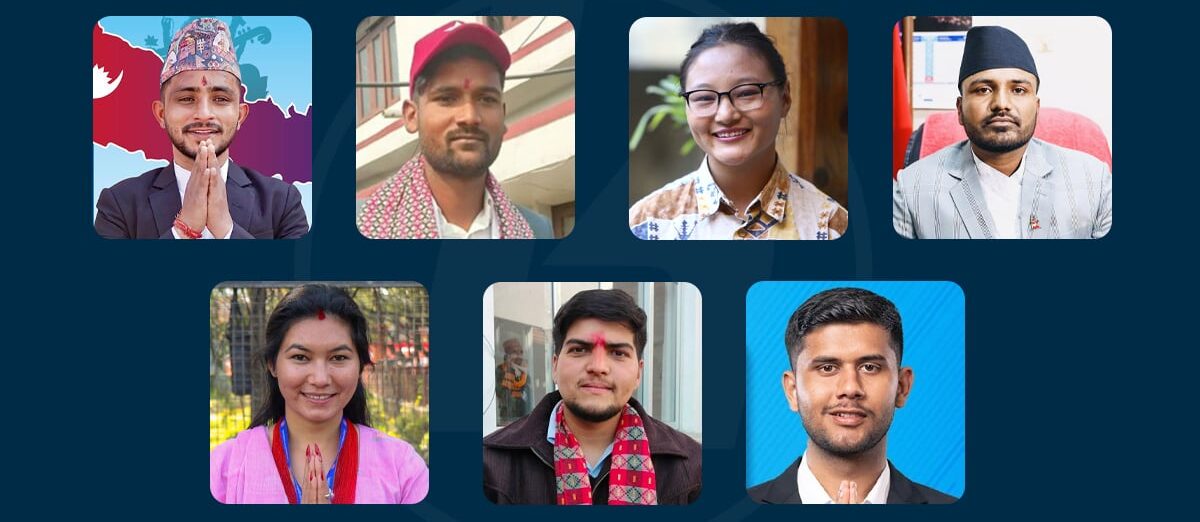
A closer look reveals that 154 Gen-Z candidates are running, with 76 representing political parties and 78 standing as independents. This suggests that the younger generation does not fully trust traditional parties and is exploring alternative political avenues.
Nepali Congress’ absence, traditional parties’ hesitation
Notably, the Nepali Congress (NC) has fielded no Gen-Z candidates. Examination of the Commission’s data confirms that the Nepali Congress is absent of Gen-Z representation in all 165 constituencies.
The UML has fielded just two: 28-year-old Asmita Thapa from Okhaldhunga and 27-year-old Amanish Kumar Yadav from Sarlahi-4. Ajaya Kushwaha, 27, from Bara-4 is the only Gen-Z candidate from the Nepali Communist Party. These numbers underscore the reluctance of traditional parties to bring young leaders into top positions.
RSP and youth representation
The Rastriya Swatantra Party (RSP), claiming to harness the Gen-Z energy, has fielded the largest number of Gen-Z candidates, nine, but this is modest compared to its rhetoric. Their candidates include Bablu Gupta (28, Siraha-1), KP Khanal (25, Kailali-2), Manish Khanal (26, Nawalparasi-2), Surendra Karki (28, Tehrathum), Bhuwan Tamata (25, Mugu), Sulabh Kharel (28, Rupandehi-2), Tashi Lhanjom (26, Humla), Omprakash Rawal (27, Achham-1), and Prashant Upreti (25, Makwanpur-2).
Additionally, Nisha Dangi, Binita Kathayat, and Sobita Gautam have been nominated by the Rastriya Swatantra Party (RSP), signaling its attempt to maintain a youth-friendly image.
Political transformation of the movement
The Kulman Ghising-led Ujyalo Nepal Party has directly nominated seven Gen-Z candidates, including Kishori Karki, who was injured in the movement, a symbolic gesture. Other candidates include 28-year-old Manoj Kumar Gupta (Mahottari-1), 27-year-old Gopal Tamang (Sunsari-2), 25-year-old Basanta Budhathoki (Morang-6), 28-year-old Rajesh Rawal (Achham-2), 26-year-old Shrawan Paswan (Siraha-3), 25-year-old Ramakanta Prasad Patel (Rautahat-2), among others.
Similarly, the Nepal Workers and Peasants Party has also fielded seven Gen-Z candidates, such as 25-year-old Nilam Kumari Yadav (Saptari-2), 25-year-old Gangakumari Rajbanshi (Morang-5), 27-year-old Sugrim Chai (Rupandehi-3), 28-year-old Trishna Pun Magar (Kailali-5), 26-year-old Raju Tamang (Kavrepalanchok-2), 26-year-old Surendra Shahi (Achham-1), and 25-year-old Sunita Bhandari (Kailali-1).
These developments indicate that while traditional parties remain hesitant, newer and alternative parties are actively promoting youth leadership, potentially reshaping Nepal’s political landscape.
Meanwhile, the CPN-UML has fielded only two Gen-Z candidates: 28-year-old Asmita Thapa from Okhaldhunga and 27-year-old Manish Kumar Yadav from Sarlahi-4. The Nepali Communist Party (NCP) has fielded a single Gen-Z candidate, 27-year-old Ajay Kushwaha from Bara-4, a national basketball player.
The Rasty Pariwartan Party has nominated four Gen-Z candidates: Salikram Rai (25, Dhankuta), Ushalaxmi Tumbahangphe (26, Tehrathum), Arun Rai (26, Udaypur), and Miresh Rai (25, Khotang). Similarly, the Rastriya Prajatantra Party (RPP) has fielded four youth candidates: 27-year-old Rabikiran Hamal (Surkhet-1), 28-year-old advocate Kalyan Bikram Acharya (Baglung), 27-year-old Sabin Niraula (Morang-6), and 27-year-old Ajay Kumar Das (Saptari-2).
Other parties also reflect the Gen-Z surge. The Shram Sanskriti Party has fielded Pankaj Thakur (26, Siraha-4), Wasim Shesh (28, Parsa-1), and Mahendra Pun Magar (28, Dadeldhura). The Janamat Party has nominated Birendra Mahato (27, Mahottari-1), Sonu Kushahwa (28, Rautahat-2), and Ram Kalyan Raut (28, Rautahat-4).
Several fringe parties are also promoting young candidates: the Gathisheel Loktantrik Party (Pawan Thapa Magar, 27, Surkhet-2), (Bikash Rasaili, Chitwan-1; Sandeep Pun, 28, Rukum Purba; Bikash Budha, 26, Dolpa; Prateek Adhikari, 26, Dang-2), Sanghiya Loktantrik Rastriya Forum (Sushant Sampang Rai, 27, Jhapa-5), and Rastriya Nirman Dal Nepal (Aditya Acharya, 26, Sunsari-2).
The Nepal Kaa Lagi Nepali Party has nominated Rajnish Raj Pandey (25, Mahottari-3) and Krishna Yadav (27, Sarlahi-2). The Janata Loktantrik Party has nominated Shivshankar Kumar Sharma (26, Mahottari-4). The Mongol National Organization has fielded Binod Thing (26, Rasuwa), Shrisha Gole (28, Chitwan-2), Kaman Budhamagar (25, Jajarkot), Pemba Ghale (27, Bhaktapur-2), and Sushma Ale (28, Tanahu-2).
Other parties fielding Gen-Z candidates include Nepal Janasewa Party, Samajwadi Party, Jai Matribhumi Party, Janadesh Party Nepal, Rastriya Republic Nepal, Aam Janata Party, Rastriya Mukti Party Nepal, Janata Samajwadi Party, Miteri Party Nepal, Samyukta Nagarik Party, and Janadhikar Party, with ages ranging between 25 and 28.
Independents also dominate the Gen-Z representation, with 78 candidates contesting nationwide. Their widespread emergence, from the Himalayas to the Terai, signals both dissatisfaction with established parties and a personal drive to enter politics.
From movement to power
The March 5 elections are not just a contest for representation; they are a historic test for the Gen-Z generation to establish themselves in Nepal’s political system. While the movement’s energy has reached the doors of Parliament, structural resistance from traditional parties, limited ticket allocation, and a rise in independent candidacies show that the Gen-Z is not yet fully integrated into mainstream politics.
The final verdict now rests with voters: will the Gen-Z movement remain confined to street protests, or will it transform into a tangible parliamentary presence?



Comment