




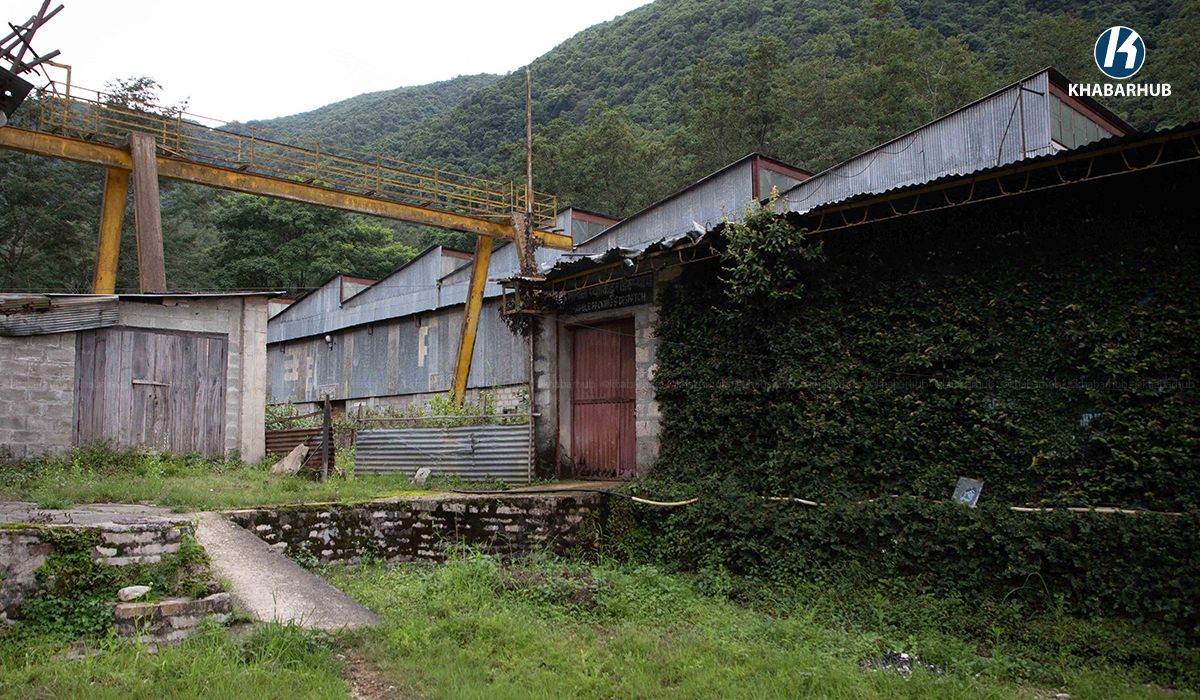
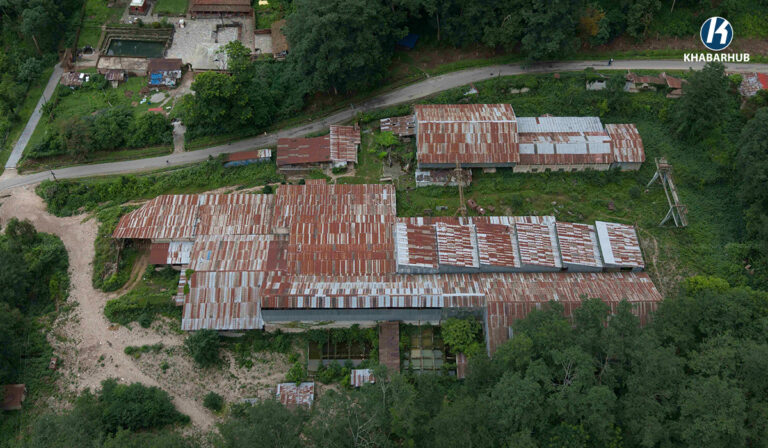
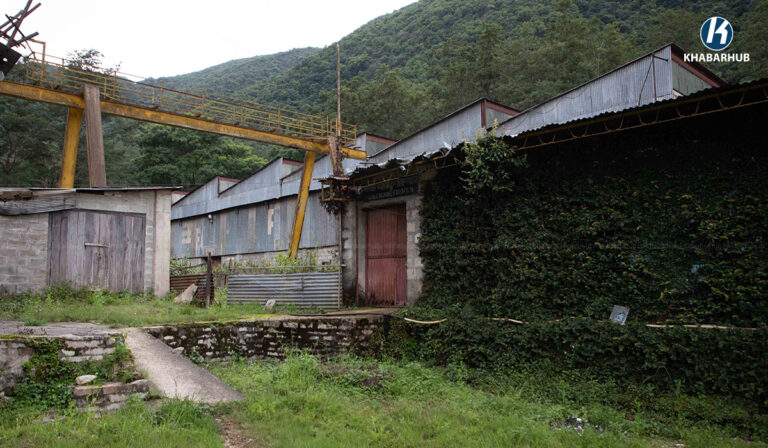
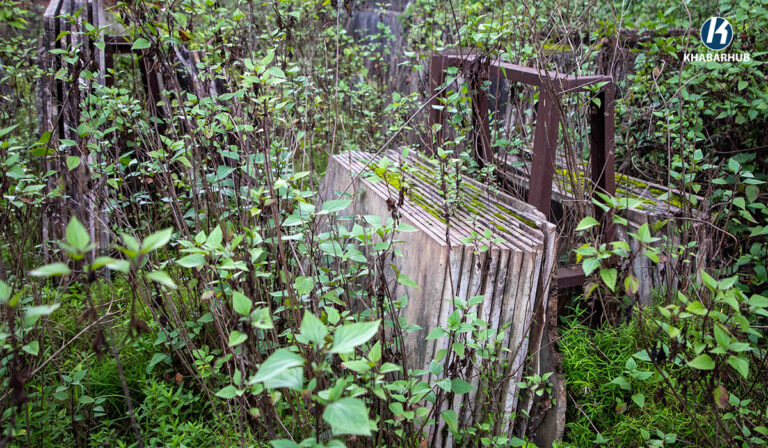
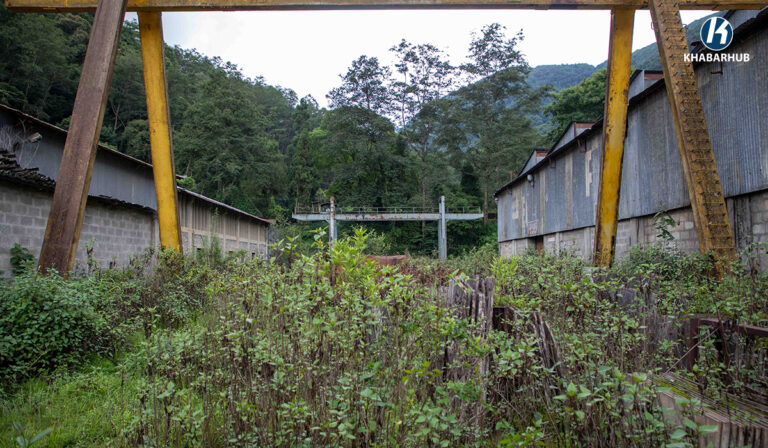
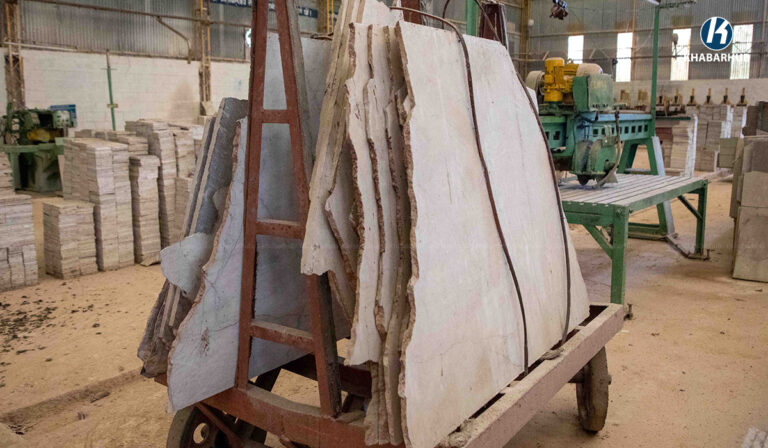
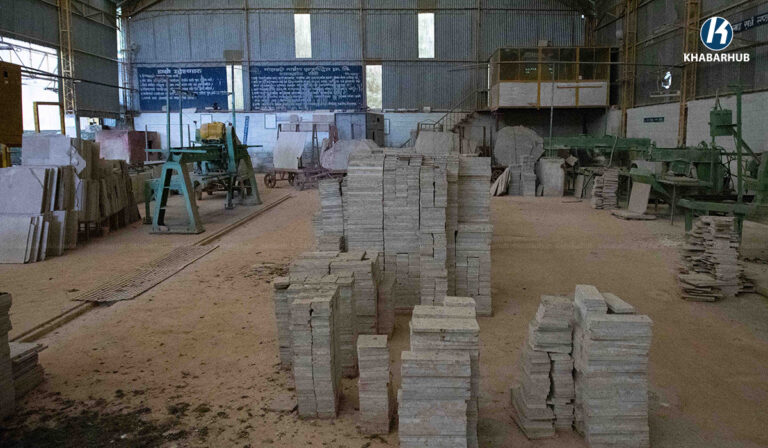
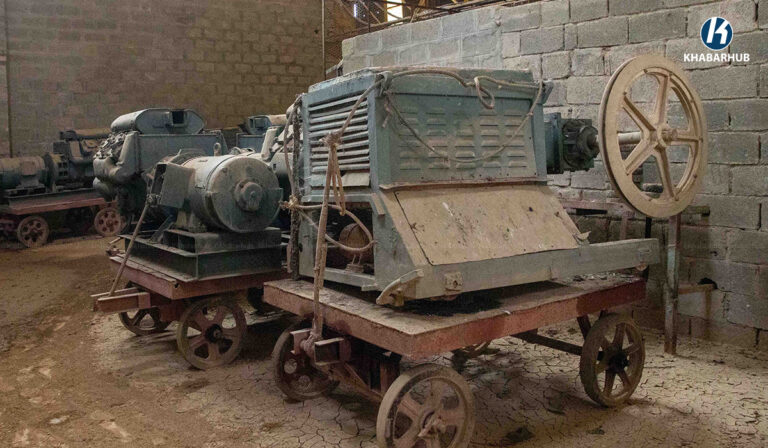
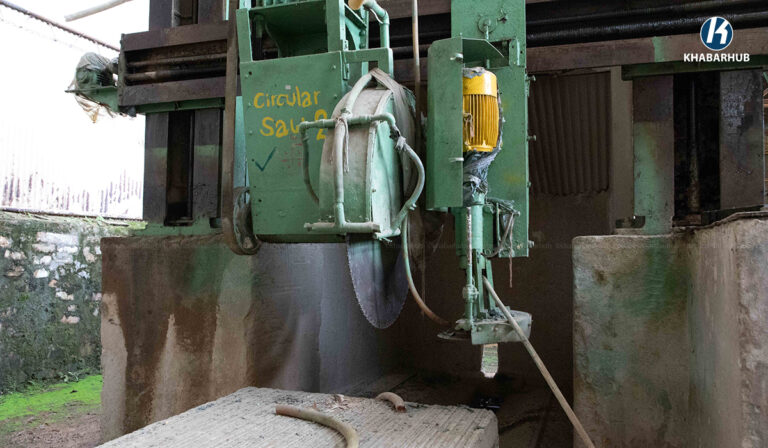
KATHMANDU: A decade after the Supreme Court ordered the closure of the Godavari Marble Industries in Lalitpur over environmental concerns, the once-thriving factory now lies abandoned, its idle machinery and crumbling infrastructure reflecting the broader challenges facing Nepal’s mining sector.
For former employee Ramananda Chaudhary, memories of the factory remain vivid. Having worked at the industry since 1988, he still recalls every corner of the plant and the work that once kept it running around the clock.
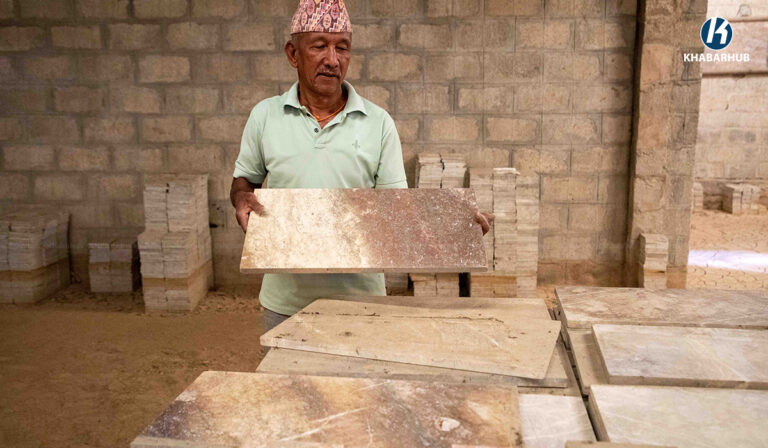
Established in 1966, the factory was one of Nepal’s pioneering marble industries. According to Chaudhary, it operated six days a week, producing marble for domestic use and exports to India, Bangladesh and Pakistan before its operating licence was revoked by the Supreme Court on April 16, 2015, citing environmental impacts.
“We have grown old here. I wish the factory could have continued through an alternative arrangement. It would have benefited both the government and future generations,” Chaudhary said.
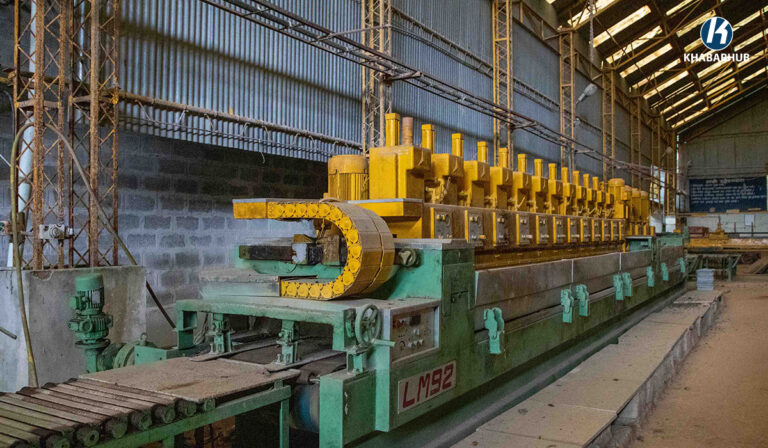
Another former worker, Hem Bahadur Gurung, said the closure left behind equipment that has deteriorated beyond practical use.
“Four truckloads of marble used to leave the factory every day. Now even repairing the machinery would cost millions of rupees,” he said.
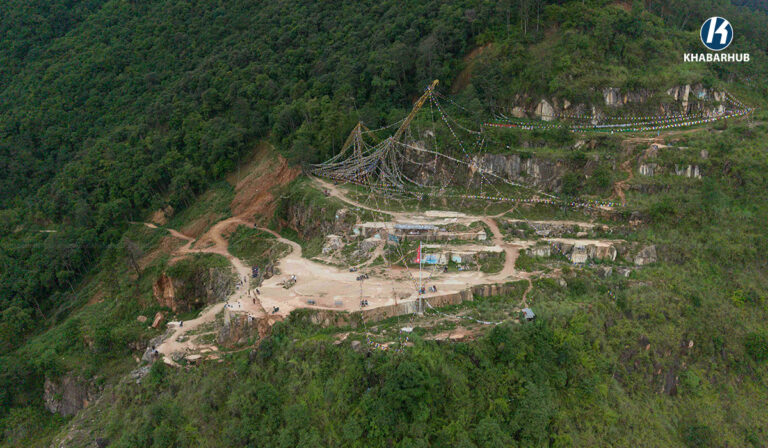
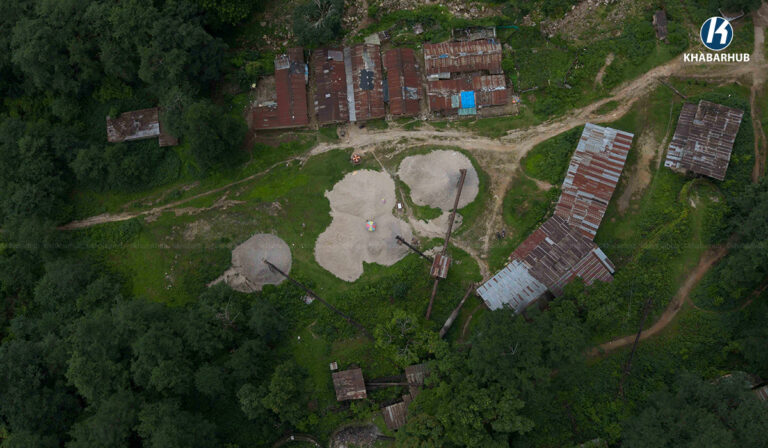
While the Godavari Marble Industries has become part of history, Nepal continues to possess significant mineral resources. According to the Department of Mines and Geology, 63 types of minerals have been identified across the country.
Department spokesperson Narayan Banskota said 171 permits have been issued for mineral exploration and extraction. Of these, 104 are for exploration of 25 different minerals, while 167 permits cover the extraction of 19 mineral types, with limestone accounting for the majority.
He said interest in exploring copper and other metallic minerals has increased, but Nepal lacks the technical expertise and manpower needed for exploration and processing.
“The department does not have the capacity to fully explore and process metallic minerals. Private companies carry out much of the exploration, and foreign collaboration is often required to determine commercially viable reserves,” Banskota said.
He believes Nepal has strong revenue potential from the mining sector but said immediate returns are more likely from non-metallic minerals such as granite, dolomite and slate, which require lower investment and simpler technology than metallic minerals.
Banskota also highlighted the shortage of skilled professionals in the sector, noting that Nepal does not have a university offering specialised mining education. Many students study abroad but are often reluctant to return due to limited career opportunities and incentives.
He said prioritising the extraction and commercialisation of easily accessible minerals could help reduce imports while strengthening Nepal’s domestic mining industry.






Comment