




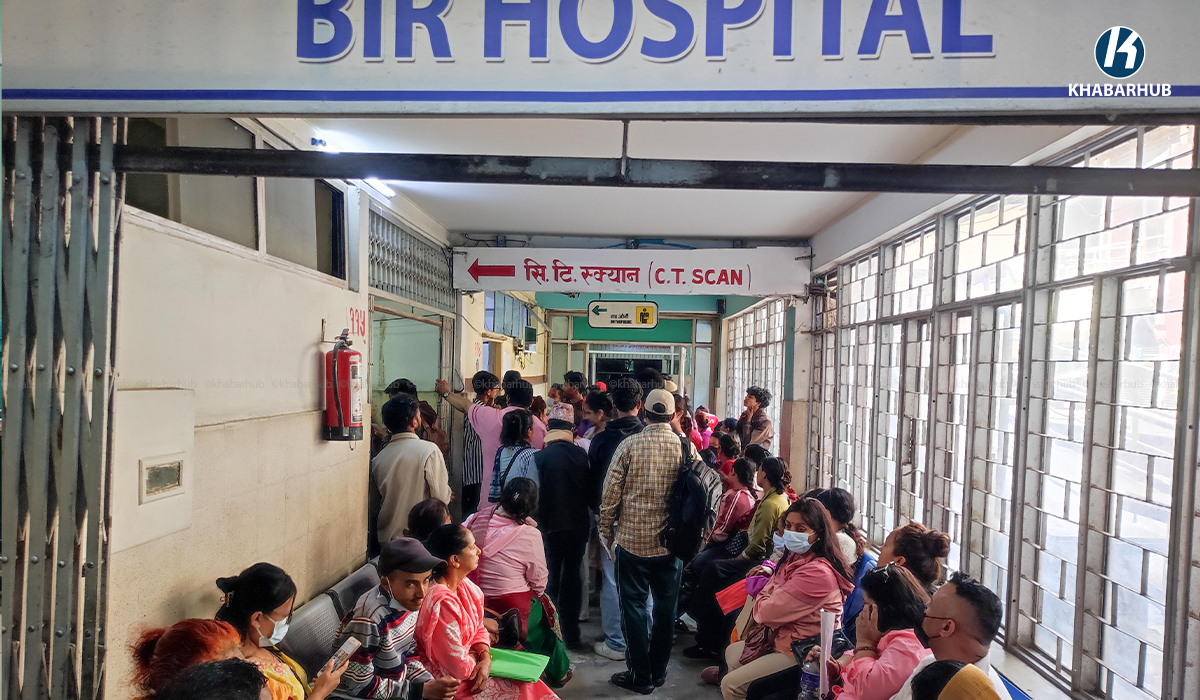
KATHMANDU: A total of 1,612 people across Nepal were affected by various infectious and public health-related diseases in a one-week period, according to the Epidemiology and Disease Control Division (EDCD) under the Ministry of Health and Population.
In its weekly bulletin covering June 22 to 28, the EDCD said the highest number of cases was recorded for acute gastroenteritis (acute diarrhoea), with 762 patients reported nationwide.
During the same period, 382 cases of influenza-like illness and 365 cases of severe acute respiratory infections were also recorded. In addition, 63 dengue cases, 18 cases of febrile illness with rashes, and 14 cases of scrub typhus were reported. The bulletin also listed 4 cases of jaundice with fever, along with 2 influenza cases and 2 other reported infections.
The EDCD said that while such diseases have been consistently reported in recent weeks, the 26th epidemiological week showed a slight decline in most cases compared to the previous week.
Provincial data showed that Bagmati Province recorded the highest number of diarrhoea cases at 416. Among influenza-like illnesses, 147 cases were reported in Sudurpaschim Province, while 96 cases of severe respiratory infection were recorded in Bagmati Province. Of the dengue cases, 29 were reported from Koshi Province.
Meanwhile, the EDCD said that 20 people fell ill with symptoms resembling food poisoning during a rice harvesting event held in Kamalamai Municipality-8, Sinsneri, Sindhuli.
The affected individuals developed symptoms including vomiting, diarrhoea, abdominal pain, fever, and body aches after consuming food and drinks prepared at a single location. Of those affected, 17 were women and 3 were men. All were taken to health facilities for treatment and are now in stable condition, the division said.
Health authorities have urged the public to maintain personal hygiene, use safe drinking water, and adopt protective measures against mosquito bites, warning that the risk of diarrhoeal diseases, dengue, and other infections typically increases during the monsoon season.






Comment