




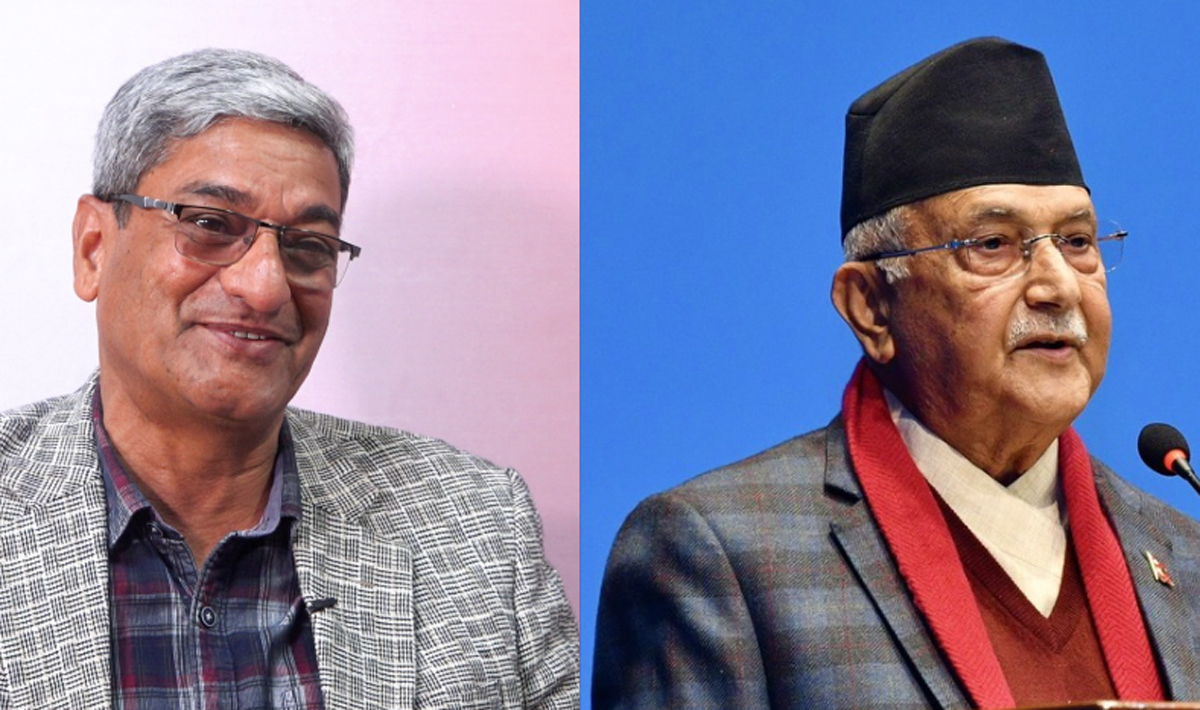
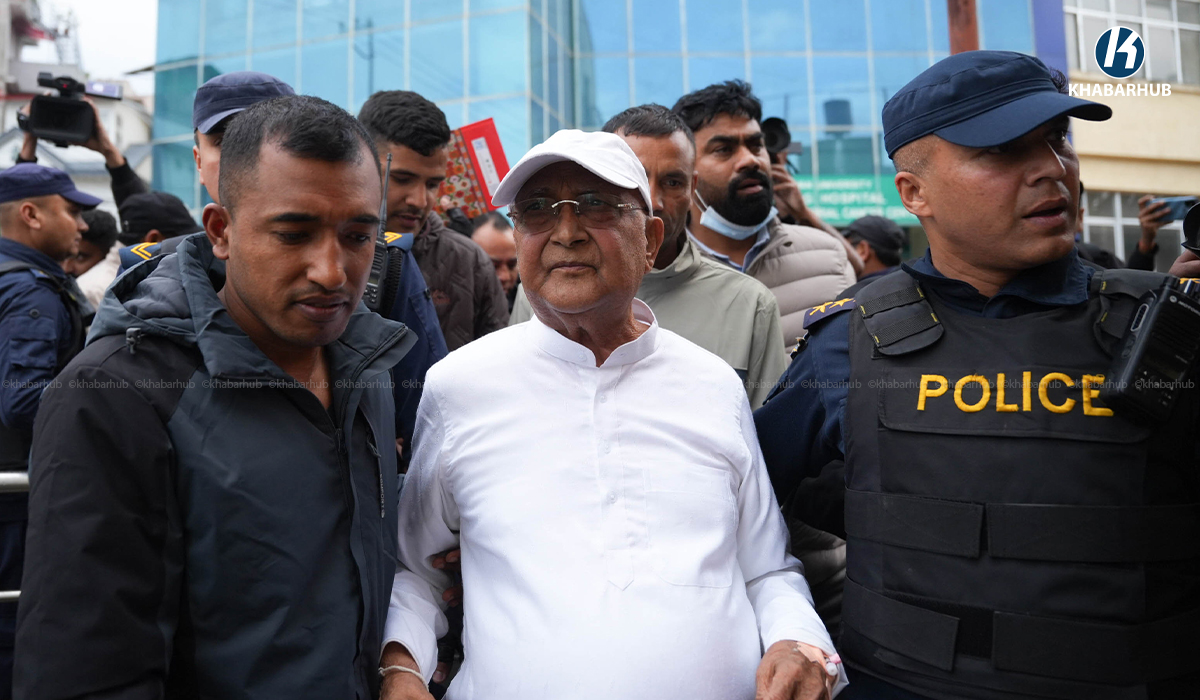
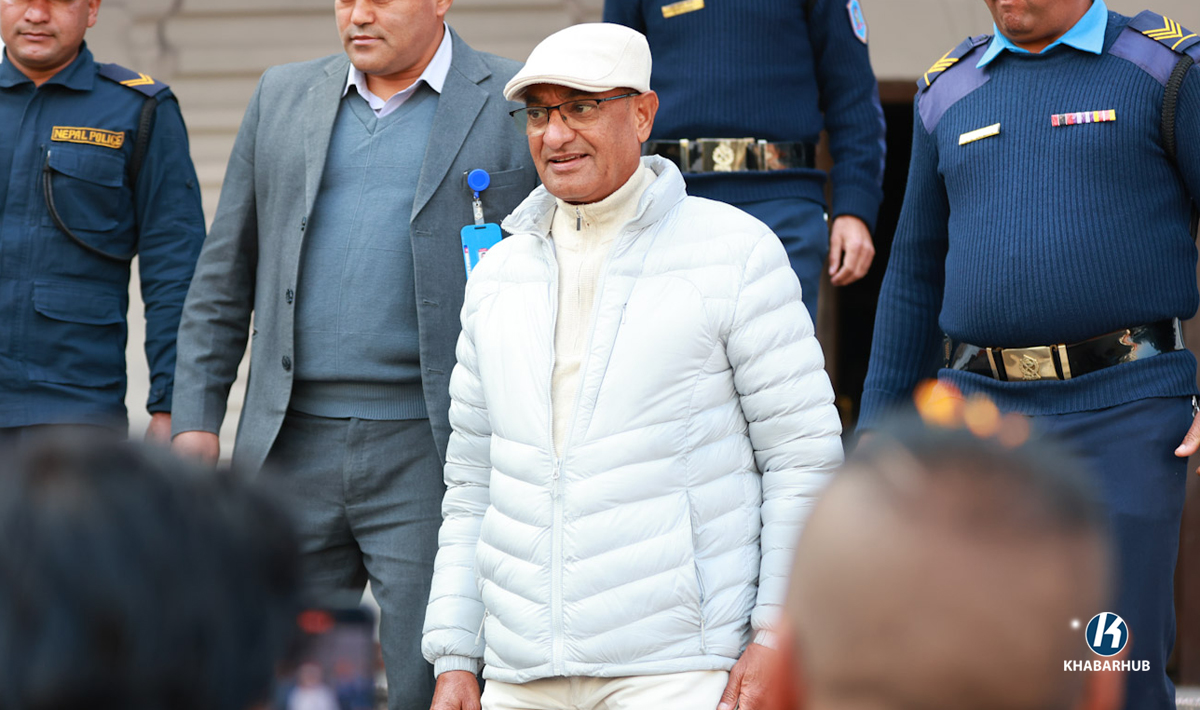
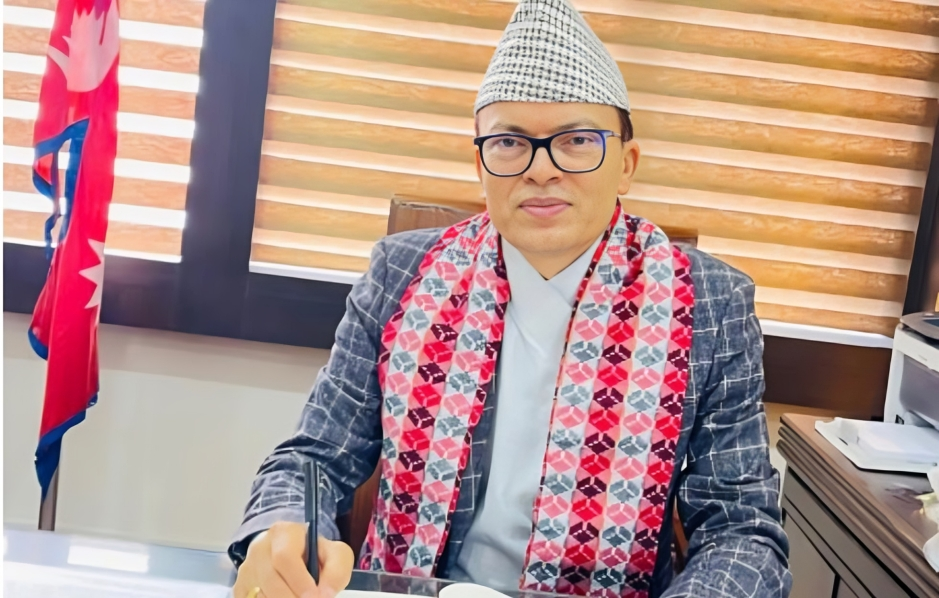
KATHMANDU: Questions have surfaced over the credibility of the investigation into the killings during the Gen-Z protests of September 8 and 9, 2025, after Kathmandu’s then Chief District Officer (CDO) Chhabi Rijal was released the same day he was arrested, while former Prime Minister KP Sharma Oli and former Home Minister Ramesh Lekhak remain in custody.
Rijal, who was detained on Tuesday for investigation, was freed on the same day. In contrast, Oli and Lekhak have been kept in custody following a court-approved extension. The development has raised concerns, as those who led the government but could not directly order the use of force remain detained, while the official legally empowered to authorize firing has been released.
The Local Administration Act, clearly states that only the CDO has the authority to order the use of force, including firing, in situations of unrest. The law allows the CDO to escalate measures from persuasion to baton charge, tear gas, water cannons, and warning shots, and ultimately to authorize firing below the knee if necessary. It also mandates reporting such actions to the ministry and grants powers such as imposing curfews and declaring riot-affected areas.
Despite this, no formal investigation has yet begun into the police personnel who allegedly carried out or were directly involved in the firing during the protests. The government has instead decided, through a Cabinet decision, to form a separate committee to probe police actions, raising doubts about the seriousness of efforts to uncover the truth behind the killings.
A probe commission had earlier recommended legal action against KP Sharma Oli, Ramesh Lekhak, and then police chief Chandra Kuber Khapung under relevant provisions of the Criminal Code. It had also suggested action against former Home Secretary Gokarna Mani Duwadi, Armed Police Force chief Raju Aryal, National Investigation Department head Hutaraj Thapa, and CDO Rijal.
Senior advocate Dinesh Tripathi has criticized the investigation as inconsistent and selective, arguing that applying different standards to individuals involved in the same case undermines the rule of law. He said the process lacks coherence and credibility, particularly when some individuals are detained while others are released under different legal approaches.
Tripathi also questioned the probe commission’s report, stating that it addressed only the events of September 8 while failing to investigate the incidents of September 9, indicating possible bias. He emphasized that commission recommendations alone are insufficient and must be followed by a full criminal investigation before arrests are made.
He further stressed that accountability should be examined in its entirety, including the chain of command from police officials to political leadership. The current approach, he argued, reflects inconsistency and weakens public trust, as equal application of the law remains central to a fair and transparent justice system.




Comment