




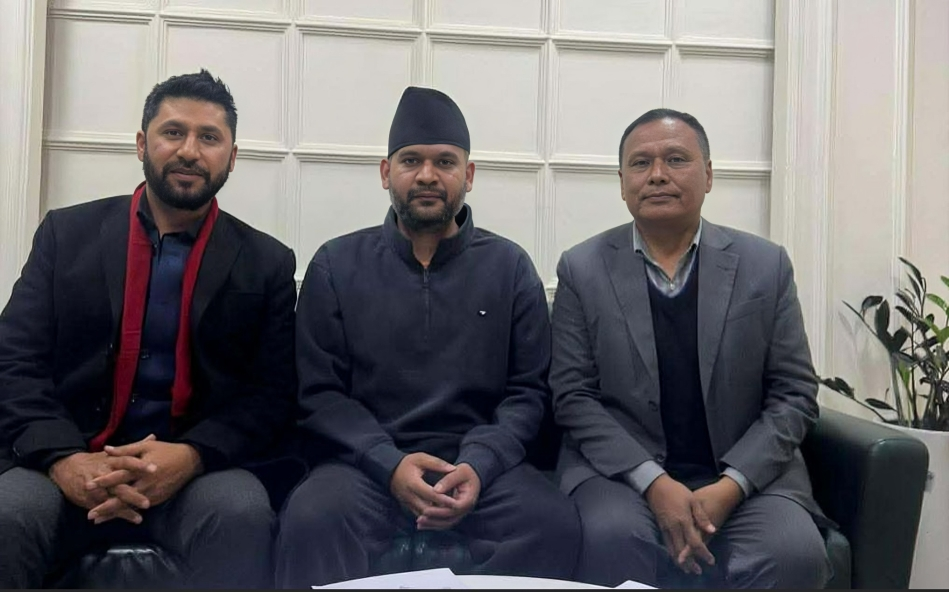
KATHMANDU: Gen-Z activists have expressed strong dissatisfaction over the Rastriya Swatantra Party (RSP) proportional representation (PR) list, alleging that it goes against the spirit of the Constitution and the core objective of inclusive representation.
Activists argue that a movement built against nepotism, favoritism and “nepo-babies” has itself contradicted its own ideals by prioritizing individuals with access, wealth and personal connections rather than historically marginalized communities.
According to the activists, after political alignment among Rabi Lamichhane, Kathmandu Mayor Balen Shah and Energy Minister Kulman Ghising, the PR list has been used to recommend “their own people”. They say the RSP, which rose on the promise of doing politics differently, has instead followed the same path as Nepali Congress and CPN-UML by giving priority to business families with little political or social contribution.
Failure to uphold proportional spirit
Gen-Z campaigners say the party has failed to meaningfully include backward classes, marginalized regions and communities, thereby weakening the constitutional intent of the proportional system. They have warned that if the list is not corrected, they will refrain from voting under the proportional system.
Activist Tanuja Pandey accused the RSP of copying the practices of traditional parties. Writing on Facebook, she said prioritizing popularity, access and personal networks has erased any distinction between old and new parties.
She noted that proportional representation was established through struggles and sacrifices of historically excluded communities, and should not be reduced to a pathway for power, money or name recognition. Pandey said it was once embarrassing when figures like Dr Arzu Rana Deuba entered Parliament through PR, and it is equally disappointing to see new parties repeating the same trend.
However, she also cautioned against blanket hatred, arguing that some individuals from privileged backgrounds possess intellect, leadership, integrity and social contribution, and should be encouraged to contest through direct elections, not the PR system.
Regional and ethnic exclusion highlighted
Another activist, Raksha Bam, criticized parties for turning the PR system into a “recruitment center” and said Sudurpaschim continues to remain sidelined. She stressed that proportional representation was designed to amplify voices of neglected regions and communities, but parties have instead used it to favour relatives and elites.
Similarly, Majid Ansari said he searched RSP’s PR list for indigenous candidates but found none. He pointed out the absence of Tharu candidates from Chitwan and indigenous groups such as Koch Rajbanshi, Gangai and Santhal from Morang.
Ansari argued that flaws were embedded during the constitution-writing process itself, alleging that economically privileged groups strategically dominated constitutional and legal provisions governing PR representation.
Warning against blind support
Activist Bhawana Raut said Gen-Z voters would not cast votes blindly under the proportional system if the list remains unchanged. She stressed that votes in direct elections would be candidate-based, while proportional votes would be withheld from parties that fail to uphold ethical standards.
“I want RSP to become a big party. I want Balen to become Prime Minister. But I cannot trade moral values for blind loyalty,” she wrote, adding that questioning and holding parties accountable is essential to democracy.
Gen-Z activists say their criticism should not be seen as hostility toward the RSP, but as a demand for course correction so that the proportional system truly represents Nepal’s diversity and constitutional values.




Comment