




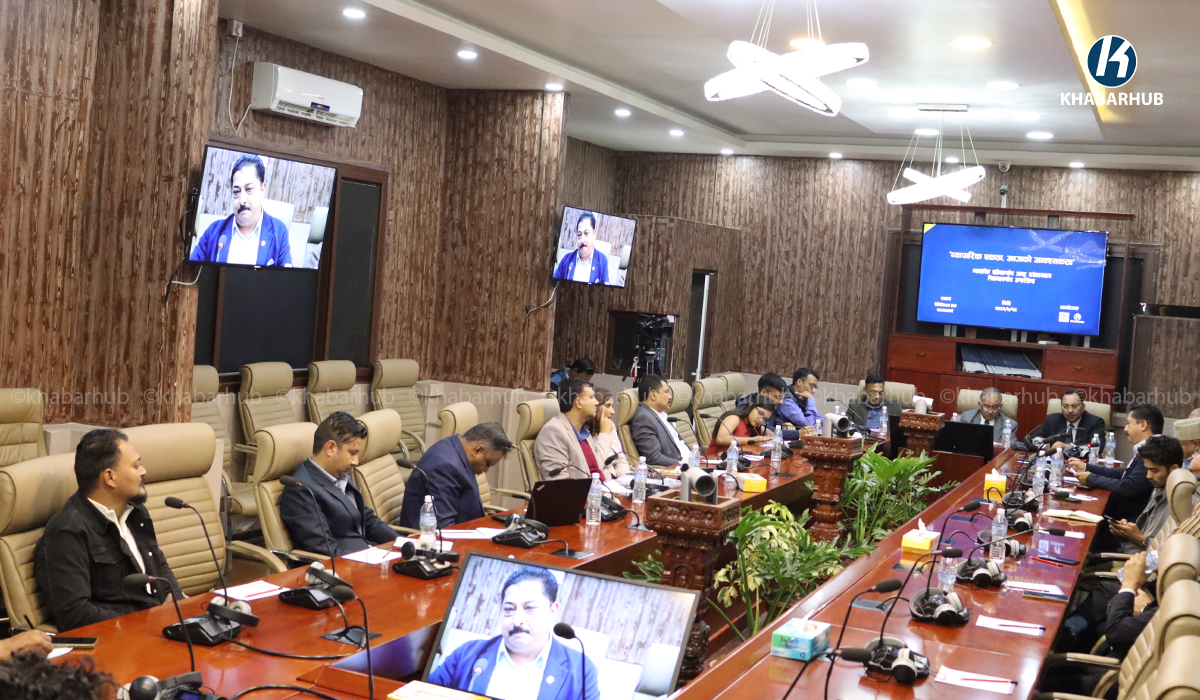
KATHMANDU: Business leaders, representatives of the Gen-Z movement, and various stakeholders held discussions on the country’s current situation following the Gen-Z movement of September 8 and 9.
While acknowledging the damage caused to both the government and private sectors during the protests, participants emphasized the importance of preserving the movement’s achievements.
The interaction program, jointly organized by the Institute for Strategic and Socio-Economic Research (ISSR) and Khabarhub, brought together key figures from the judiciary, business community, and civil society.
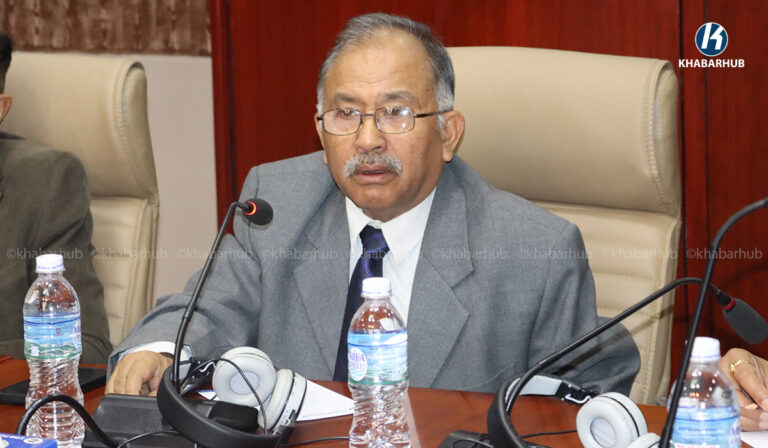
Former Chief Justice Kalyan Shrestha described the Gen-Z movement as reflecting the “spirit of all Nepalis,” but questioned its long-term goals and achievements. “Is this the outcome the movement sought, or is there more ahead?” he asked, stressing the need to define the path forward amid the evolving political situation.
Anjan Shrestha, Senior Vice President of the Federation of Nepalese Chambers of Commerce and Industry (FNCCI), noted that despite witnessing five political changes in his lifetime, Nepal’s overall situation had not improved.
He said the Gen-Z movement was necessary but had led to confusion and uncertainty, adding that Nepal had become a “cost economy” and a market for neighboring countries, while education continued to produce job seekers rather than innovators.
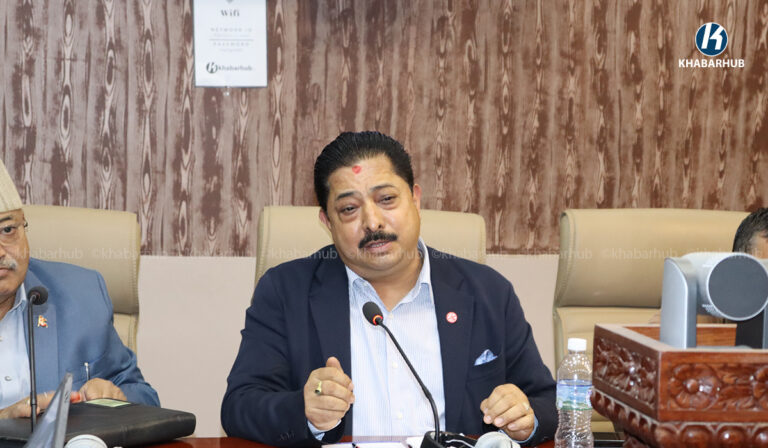
Similarly, industrialist Deepak Shrestha questioned whether the country truly values private sector investment amid recurring protests, while Pawan Golyan stressed that real change would require tackling corruption at its roots.

Another industrialist, Pashupati Murarka, said the post-movement environment had created further uncertainty, deterring potential foreign investors.
Ujwal Kumar Shrestha, Executive Director of Panchakanya Group, remarked that while the movement had disrupted some sectors, it had also delivered a powerful message for reform. He emphasized the need for greater private sector involvement in policy-making.
Naresh Shrestha, Chairman of Pavilion Media, raised concerns over whether the private sector still had reasons to worry, even under a government formed on the basis of the Gen-Z movement’s call for good governance and anti-corruption.

Responding to such concerns, Gen-Z representatives clarified that their movement was not directed against the private sector. They said there had been a deliberate attempt to create a misleading narrative that business interests were under threat, and added that the private sector would play a crucial role in the upcoming all-party discussions.





Comment