




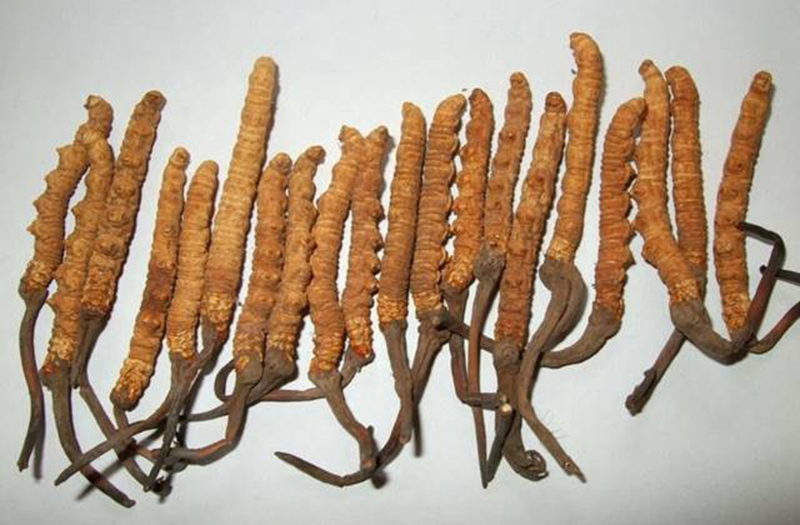
MANANG: The collection of Yarsagumba, the prized Himalayan herb, has begun in Manang.
Along with locals, collectors from neighboring districts such as Lamjung, Gorkha, and Dhading have also arrived in the region to gather the valuable fungus.
Collection is being carried out in accordance with the Conservation Area Management Regulations 2053, Conservation Management Directive 2056, the Collection and Transportation Directive 2080 for Himalayan protected areas, and other relevant legal provisions.
Prior to harvesting, individuals must obtain permission from the Annapurna Conservation Area Project (ACAP) Area Conservation Office. Only after approval does the respective Conservation Management Committee issue collection certificates to authorized collectors.
According to Dhak Bahadur Bhujel, Chief of the ACAP Area Conservation Office, Yarsagumba collection is permitted in forest areas of all local levels within the conservation area.
Residents from other districts must receive approval from the local Conservation Management Committee to collect the herb.
Collectors are allowed to proceed to the high-altitude regions only after securing the necessary permits. While local residents are permitted to collect Yarsagumba in Narpabhumi Lake, the area remains off-limits to outsiders due to security and logistical concerns.
“Given the remoteness and potential security risks, we have restricted collection in Narpabhumi to locals only,” Bhujel said.
Access to the lake is granted only through clearance from the Conservation Area Management Committee, coordinated by the Ekap Area Office, Manang. Both locals and outsiders, however, are allowed to collect Yarsagumba from Namgya Lake.
With the start of the collection season, Chief District Officer Matrika Acharya stated that security measures have been strengthened to prevent any untoward incidents.
Yad Ghale, Chairman of the Conservation Area Management Committee and Ward Chair of Nason-8, confirmed that collection activities have commenced from Namgya Lake in Tachai, Nason Rural Municipality-8. The ideal period for Yarsagumba harvesting runs from mid-April to June.
Konjo Tenzing Lama, Chairperson of Narpabhumi Rural Municipality, said that although harvesting has begun, permission has not been granted to collectors from outside districts.
“Due to ongoing security concerns, we have restricted access to outsiders. Only locals are currently allowed to collect Yarsagumba,” he stated.
Collectors from other districts are also barred from entering the Nar and Phu regions, which are designated protected and restricted zones.
The ban is intended to avoid a repeat of previous security incidents in those areas. In general, collection begins in April across most mountainous parts of Manang, while in Narpabhumi, it starts in Jestha (mid-May).
The Conservation Area Management Committee imposes fees for those involved in the Yarsagumba trade: Rs 20,000 per person for local buyers and Rs 40,000 per person for buyers from outside the district.
A permit for collectors costs Rs 35,000, allowing both locals and approved outsiders to collect from designated sites.
Yarsagumba is found throughout Manang except in Dharapani and Thonche, which are among the four local administrative units in the district.
Major collection sites include Namgyal Lake, Kincho Lake, Yak Lake, Pisang Lake, Phu Lake, Manang Lake, Ice Lake, Syakyu Lake, and Thorangla Lake, all known for their abundant Yarsagumba reserves.


Comment