




TEL AVIV: Israel has started air-dropping humanitarian aid into the Gaza Strip, marking a shift in its response to growing international demands and escalating concerns over hunger in the territory.
According to a statement released early Sunday, the Israel Defense Forces (IDF) said the recent airdrop included seven aid packages containing flour, sugar, and canned goods.
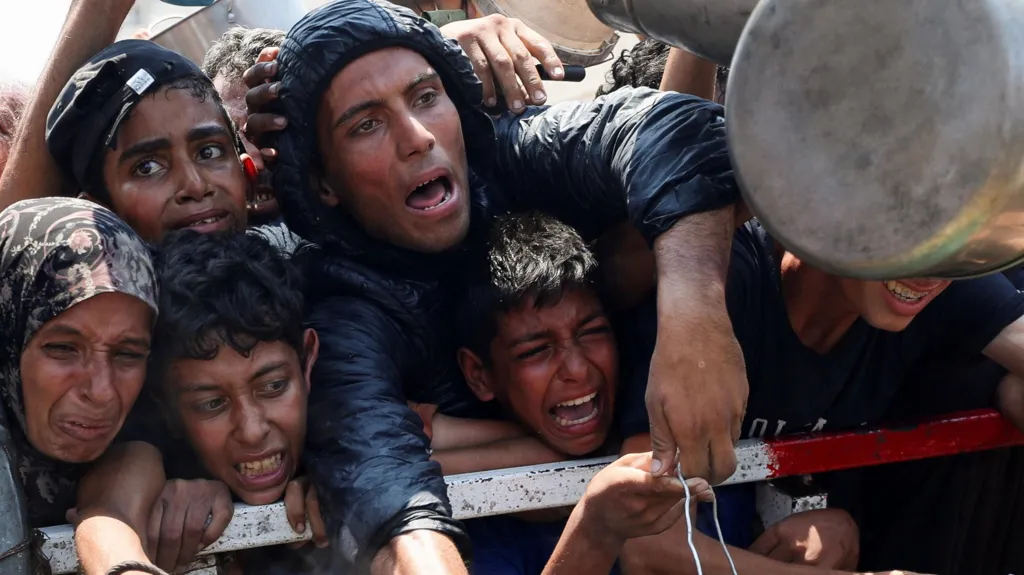
The delivery follows mounting calls for Israel to ease restrictions and allow more humanitarian assistance into Gaza, where food shortages have reached critical levels, BBC reported.
The IDF noted that the airdrop was coordinated with international aid groups and led by COGAT, the Israeli military unit responsible for overseeing aid access into Gaza. A video shared by the IDF showed a plane releasing packages, though this footage has not been independently verified.
This move comes after Israel expressed willingness to open humanitarian corridors for UN aid convoys and said it would implement humanitarian pauses in densely populated areas to facilitate assistance. The military also stated it had resumed powering a desalination plant in Gaza, claiming it would benefit approximately 900,000 residents.
Israel had previously cut off all supplies to Gaza at the start of March, resuming deliveries under tighter controls in May. It has since supported the operations of the Gaza Humanitarian Foundation (GHF), a US-backed initiative that also involves the UAE and Jordan.
However, aid efforts have been marred by deadly incidents. Since the GHF began operations in late May, there have been frequent reports of Palestinians being killed while trying to access aid. Eyewitnesses said that most of the fatalities were due to Israeli fire, according to BBC report.
Israel has denied intentionally targeting civilians, saying it uses warning shots and blames Hamas for inciting chaos at distribution sites.
Human rights groups, the UN, and some of Israel’s allies have criticized Israel for restricting humanitarian access and exacerbating the food crisis.
The Hamas-run health ministry reported that at least 125 people, including 85 children, have died of malnutrition in recent days. The World Health Organization (WHO) has described the situation as a “man-made mass starvation.”
While Israel insists that aid distribution inside Gaza is the responsibility of the UN and international organizations, it also stressed the importance of preventing aid from reaching Hamas.
Saturday’s airdrop followed Israel’s acceptance of a plan proposed by Jordan and the UAE—with support from the UK—to deliver aid by air. Yet aid agencies have criticized such operations as inadequate. Philippe Lazzarini, head of the UN’s Palestinian refugee agency (UNRWA), called air drops “costly, inefficient, and potentially dangerous,” especially if aid lands in populated areas.
He noted that thousands of aid trucks were waiting in Jordan and Egypt to enter Gaza and urged Israel to lift the blockade and ensure safe access for relief efforts.
Some Gazans expressed concerns to the BBC about the risks of airdrops, saying they could lead to injuries or deaths if supplies fall on shelters or tents. One man from northern Gaza described the method as “unsafe” and said past attempts had caused “numerous tragedies.”
In addition to hunger, residents are also struggling with extreme water shortages. One mother told the BBC, “We have no food, no bread—not even water.”
Israel’s latest actions follow its ongoing military campaign in Gaza, launched after the Hamas-led attack on southern Israel on October 7, 2023, which killed around 1,200 people and saw 251 taken hostage. Since then, more than 59,000 people have been killed in Gaza, according to figures from the Hamas-run health ministry.
(With inputs from BBC)






Comment