




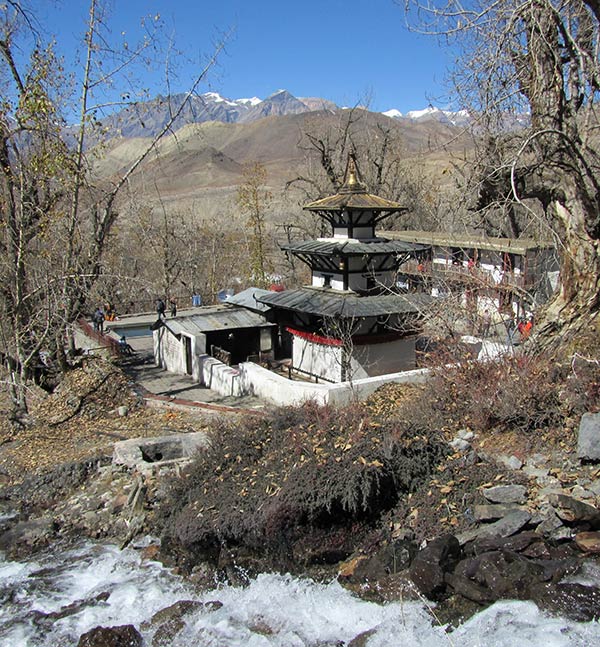
JOMSOM: Foreign tourist arrivals in Mustang have seen a remarkable increase of nearly 50 percent in 2081 BS compared to the previous year, according to the Annapurna Conservation Area Project (ACAP) Jomsom Office.
ACAP Jomsom Office Chief Rajesh Prasad Gupta said that a total of 144,745 foreign tourists visited Mustang in 2081 BS, up from 96,645 in 2080 BS.
This marks a 49.76 percent rise in international footfall to the Himalayan district. Among them, 117,614 were tourists from SAARC countries, while 27,131 were from other parts of the world. Tourist arrivals from SAARC nations alone recorded a growth of 53.71 percent.
Gupta stated that 80 percent of foreign tourists arriving in Mustang come from SAARC nations, with many visiting the sacred pilgrimage site of Muktinath. The number of domestic and foreign tourists has surged in recent years, primarily due to the improved road infrastructure under the national pride project—specifically the Beni–Jomsom–Korla route.
Mustang’s appeal lies not only in its religious significance but also in its natural and cultural beauty. Tourists come to enjoy the views of Nilgiri and Dhaulagiri mountains, the unique geography around the Kaligandaki River, and the region’s biodiversity. The monasteries, manes, chortens, and stupas in the area add to its spiritual and cultural allure.
In Upper Mustang, attractions such as the historical palace of the Mustangi king, Loghekar Monastery, Chosher and Chiusi Caves, Luri Monastery, and Damodarkunda religious site continue to draw interest. Other major destinations include Kagbeni Dham, Dhumbatal, the cultural village of Marfa known as the apple capital, Gurusangbo Cave, Titi Lake, and Sekung Lake.
The ACAP office said that nearly one-fourth of the foreign visitors reached Mustang via the Annapurna Circuit Trek. The route through Besi Sahar in Lamjung via Manang is also gaining popularity.
Officials expect the upward trend in tourist numbers to continue, reinforcing Mustang’s position as one of Nepal’s most sought-after highland destinations.

Comment