




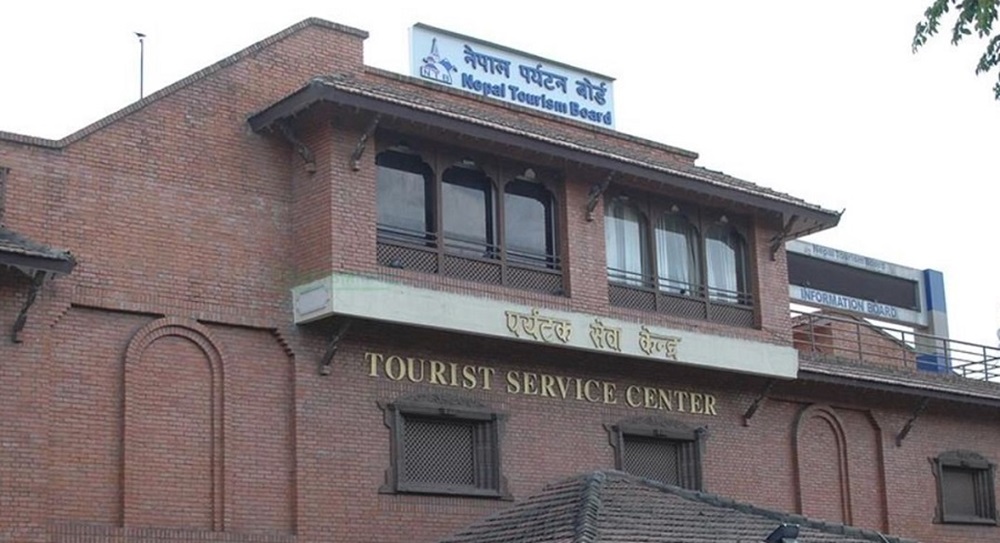
KATHMANDU: A high-level policy dialogue on gender-responsive, sustainable, and resilient tourism enterprises was held today, aiming to promote inclusive and durable tourism in Nepal.
Organized by the Academy of Innovation for Economic Development (ACAIED) Nepal, with support from the Nepal Tourism Board and the UNDP-supported Sustainable Tourism Project, the event brought together policymakers, development partners, private sector representatives, women entrepreneurs, and experts for in-depth discussions.
The dialogue focused on ensuring women’s entrepreneurship and inclusive economic growth in the tourism sector. Chandra Prasad Dhakal, President of the Federation of Nepalese Chambers of Commerce and Industry (FNCCI), said the event aimed to strengthen policy and programmatic responses supporting women-led tourism enterprises.
Participants discussed tourism development, employment generation, foreign currency earnings, and the critical role of women in local livelihoods. Emphasis was placed on women’s involvement in homestays, handicrafts, food services, community-based tourism, and small- and medium-scale enterprises.
Acknowledging the disproportionate impact of natural disasters, COVID-19, climate risks, and economic downturns on women-led tourism businesses, discussions also highlighted challenges in accessing finance, markets, skills, technology, and institutional support.
Dhakal emphasized promoting tourism potential through domestic capital, noting that large-scale projects could be implemented using local investment. He also highlighted the sector’s international resurgence, especially in the post-COVID period.
Durga Thapa, CEO of ACAIED Nepal, described the dialogue as pivotal in bridging the gap between policy commitment and practical implementation. She stressed the importance of integrating gender responsiveness, sustainability, and resilience in tourism revitalization.
Deepak Raj Joshi, CEO of the Nepal Tourism Board, underlined the importance of mainstreaming gender-responsive tourism. He called women-led enterprises at the community level the backbone of Nepal’s tourism system, stating, “Inclusive, competitive, and sustainable tourism is not possible without enhancing their resilience and providing effective policy support.”
The two-session dialogue also explored policy measures, good practices, and enterprise-level strategies to address risks related to economic, climate, and market challenges. Priority courses of action for government agencies, development partners, and the private sector were identified to achieve inclusive and resilient tourism.
Organizers expressed confidence that the policy suggestions emerging from the dialogue would strengthen stakeholder collaboration, further supporting economic empowerment for women-led enterprises and promoting inclusive tourism growth in the future.




Comment