




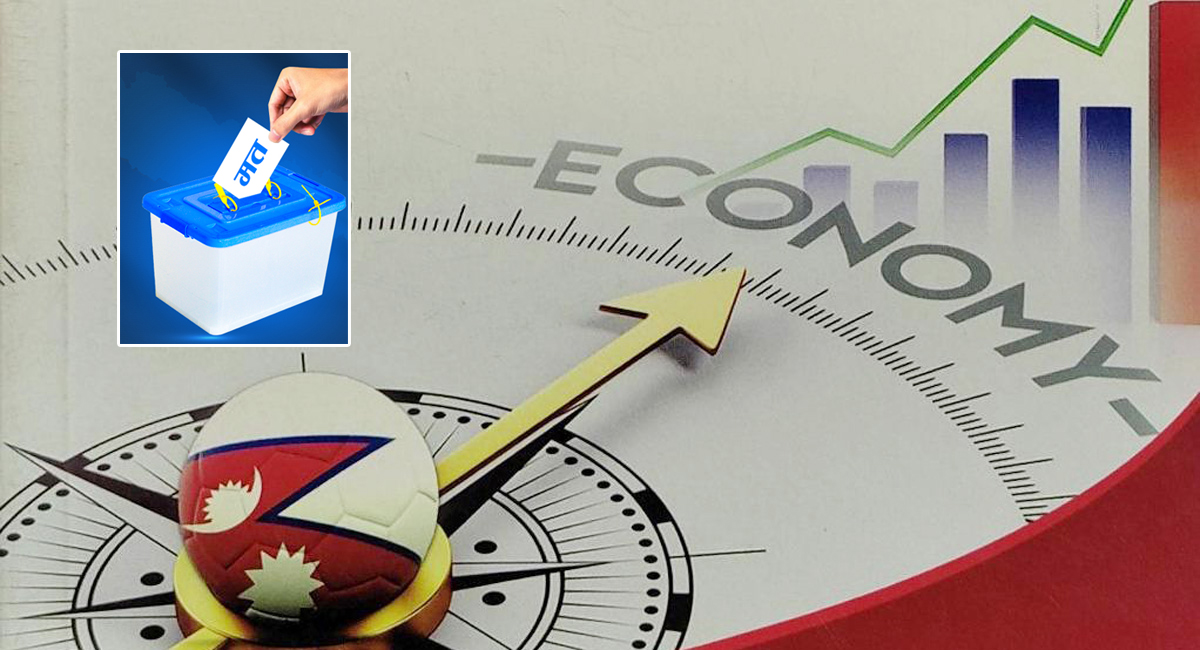
KATHMANDU: The interim government led by Prime Minister Sushila Karki is preparing to hold elections on March 5, 2026, which remains the primary mandate of the administration following the Gen-Z uprising. Most political parties have agreed to participate in the elections as scheduled.
Despite the extensive damage caused during the Gen-Z movement, external indicators of the economy remain positive. Analysts predict that the economy will receive a further boost during the election period in Fagun, as government, political parties, candidates, institutions, and citizens actively engage in the electoral process. The massive flow of direct and indirect expenditures during elections is expected to stimulate domestic economic activity.
The Election Commission undertakes extensive preparations including voter education, publicity campaigns, polling, counting, and result announcements. In the process, the commission alone spends billions of rupees on management and manpower.
During the last House of Representatives and provincial assembly elections in 2022, the commission spent Rs 655.69 million. This year, only the House of Representatives elections will be held, excluding provincial polls, which may reduce some expenditure. However, basic costs such as voter education and manpower mobilization remain largely unchanged.
In the 2017 elections, following the Constituent Assembly polls, the commission had spent Rs 780.14 million, including technical and administrative support from external sources. For March 5, neighboring countries and the United States have expressed commitment to provide assistance, though details of their contributions are yet to be finalized.
Candidates also face spending limits set by the Election Commission. In the 2022 election, candidates were allowed to spend between Rs 2.5 million and Rs 3.3 million per constituency. A total of 2,412 candidates participated in those elections, spending an average of Rs 2.9 million each, totaling Rs 699.48 million in formal election expenditure. Proportional representation candidates were allowed a maximum of Rs 200,000 each, with 2,199 candidates collectively spending Rs 74.16 million.
However, in practice, most candidates from major competitive parties spend above the official limit. Including both government and party spending, the House of Representatives elections alone can see formal expenditures of nearly Rs 14 billion. When informal spending and citizen-driven mobilization are included, total election-related expenditure may double over the one to one-and-a-half month election period.
Economist Keshab Acharya noted that elections tend to stimulate the domestic economy similarly to major festivals, primarily through current expenditures rather than capital investment.
“Many of the 79 key items needed for elections are purchased locally, including supplies for election officers and temporary police hires. Salaries and government spending contribute significantly, and candidates themselves incur expenses,” he explained. Acharya emphasized that this increased circulation of money boosts retail shops, stationery suppliers, and artists, providing immediate relief to the local economy, even if it does not increase capital stock.





Comment