




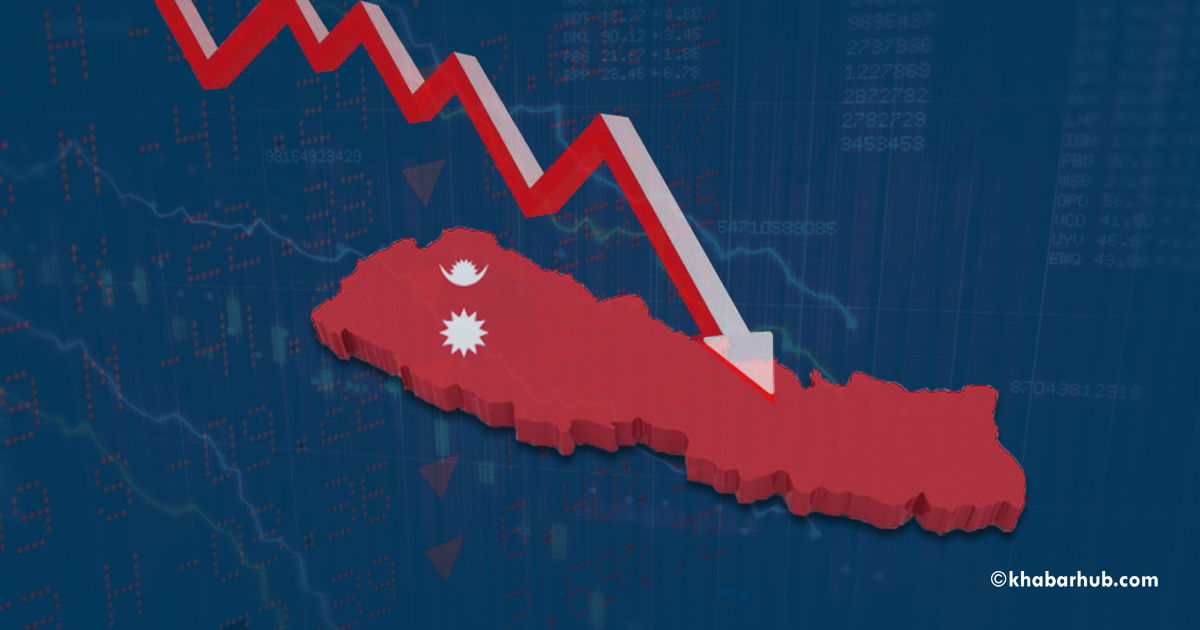
KATHMANDU: The Gen-Z protests of September 8 and 9 have left a visible dent on Nepal’s key economic indicators, according to government data and recent reports from international financial institutions.
The two-day nationwide movement, followed by weeks of political uncertainty, has disrupted investment confidence, slowed domestic transactions, and dampened short-term growth prospects.
The government had projected the economy to expand by 5.5 percent in the current fiscal year. However, a new World Bank report has revised Nepal’s growth forecast down to 2.1 percent, identifying the Gen-Z movement and its political aftermath as key factors behind the slowdown. The International Monetary Fund (IMF) has also lowered its growth projection for Nepal.
Drop in foreign investment commitments
Data from the Department of Industry show a sharp decline in foreign investment commitments over the past three months.
July: Rs 24.1 billion
August: Rs 8.98 billion
September: Rs 2.04 billion
Officials say investor confidence waned after the Gen-Z protests triggered instability and uncertainty in the business environment. Agreements for foreign share purchases also fell drastically—from Rs 1.99 billion in July to just Rs 20 million in September.
Banking sector stagnation
Figures from the Nepal Rastra Bank indicate that deposits rose steadily while loan disbursements remained stagnant. Between mid-September and mid-October, deposits grew by Rs 124 billion, but credit expanded by only Rs 3 billion, suggesting subdued demand for borrowing and sluggish private sector activity.
Tourism and real estate slump
The tourism sector, which had been showing signs of recovery post-pandemic, also suffered a setback. Nepal welcomed 78,711 foreign visitors in September 2025, down 18.3 percent from 96,302 in the same month last year. Tour operators have warned that the protests and subsequent uncertainty could deter bookings during the upcoming peak season.
Similarly, the Department of Land Management and Archives reported a fall in real estate transactions. The number of property registrations dropped from 30,527 in the same month last year to 23,353 this October. Revenue from capital gains tax also declined slightly to Rs 1.06 billion, compared to Rs 1.11 billion last year.
Lack of coordinated response
Despite these signs, economists say the interim government and major political parties have yet to take coordinated measures to stabilize sentiment. “The economic costs of political instability are now becoming evident,” said one senior economist, adding that restoring investor confidence will be critical ahead of the upcoming elections.






Comment