




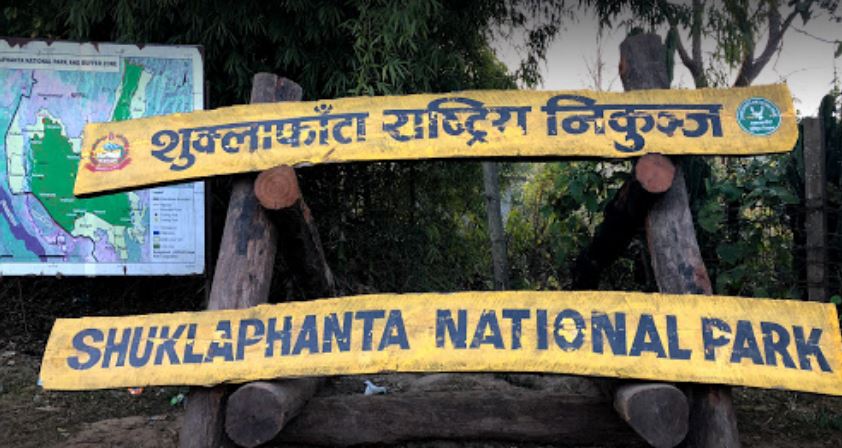
KANCHANPUR: Shuklaphanta National Park has reopened a designated jungle safari route for domestic and international tourists, marking the start of the safari season following the end of the monsoon.
According to Chandrasheshar Chaudhary, Senior Conservation Officer at the park, the safari route has been established to ensure safe and accessible travel for visitors. While the core Shuklaphanta grassland — the park’s main attraction — remains waterlogged in some areas, the newly designated route allows for vehicle entry without disturbing the terrain.
The operational safari route stretches from Majhagaun to Punamajhagaun via Barkaula, Shuklaphanta, Singhapur, Ranital, and Babatal. Tourists can also enter from Babatal toward Majhagaun.
“These routes are not new, but they’ve been officially reopened and marked for tourism,” said Purushottam Bagle, the park’s information officer. “The main grassland areas are still too wet for vehicle movement, so for now, access is limited to safer, drier routes.”
Despite the restricted access, tourists can still enjoy sightings of wildlife such as leopards, elephants, tigers, rhinos, deer, antelopes, and a variety of bird species. The park’s highlights — including the vast grassland, Babatal, Ranital, Singhpal Baba Temple, Shilalekh, and Rani Tal — remain key attractions.
Bagle added that the internal grassland roads will reopen for full safari operations once the water recedes. “We’ve prioritized tourist safety and convenience for now, but full safari access will resume once conditions improve,” he said.
Shuklaphanta National Park, covering 305 square kilometers, is Nepal’s only national park dominated by grassland. It is also an important habitat for the rare and globally threatened swamp deer (Bharasinghe), and a rich reserve of biodiversity in western Nepal.






Comment