




Nepal stands at a turning point. The GenZ Rebellion of 2082 was not just a protest—it was a generational awakening that revealed the depth of corruption, unemployment, and political paralysis that have held the nation captive for decades. What took place on the streets of Kathmandu in September 8 and 9 was not disorder born of ignorance; it was the collective voice of a new generation demanding honesty, dignity, and transformation.
A Generation Betrayed
For many years, young citizens watched the same political leaders rotate power among themselves. The alliance of the Nepali Congress and UML—once the pillars of democracy—became symbols of stagnation. Hidden behind parliamentary privilege, they weakened the state, turning ministries into personal estates and national institutions into empty shells.
In this suffocating environment, Nepal’s youth—educated, unemployed, and deeply aware—could not remain silent. Their anger first surfaced on social media through campaigns such as #NepoBaby, which exposed the sharp divide between the lives of the political class and the ordinary people who fund the nation through their taxes. That spark of awareness soon became a fire of moral resistance.
When Hope Faced Tear Gas
On September 8, thousands of young people marched from Maitighar to Baneshwor. They carried the banner of justice, demanding an end to corruption and political impunity. Their energy was strong—but peaceful. The government, instead of opening dialogue, responded with bullets.
The killing of unarmed citizens and the cruel act of firing tear gas inside Civil Hospital shattered the last illusion of moral leadership. That night, as the capital was filled with smoke and confusion, the mask of parliamentary democracy fell apart.
Collapse of the Old Order
By September 9, the state had completely lost control. Leaders fled to the protection of the army. Parliament fell silent. The residence of the President was surrounded—and later burned. The only institution that remained active was the Nepali Army, which tried to calm the situation and prevent further bloodshed.
In the aftermath, an interim government led by Sushila Karki was hastily formed. It included the mayor of Kathmandu, Balen Shah, and a few young representatives. Yet under heavy political and international pressure, the real goals of the rebellion were lost. The old political structure continued under a new name.
Lessons That Remain Ignored
Since then, the state has tried to dismiss the Gen-Z Rebellion as a reckless movement or a foreign conspiracy. But the truth is clear: the parliamentary system has failed. In just three decades, Nepal has seen thirty-one governments. Each administration has been weaker, shorter, and more corrupt than the one before.
Some fear that a directly elected executive system might lead to authoritarianism. But authoritarianism already exists within the current arrangement—where party leaders control everything and the people control nothing. Allowing citizens to choose their leader directly would strengthen democracy, not weaken it.
Amending the present constitution is impossible. A two-thirds majority in both houses cannot be achieved through this fractured parliament. Nepal must now draft a new constitution that reflects the struggles of every democratic era: 2007, 2046, 2062–63, and the 2082 BS movement of the new generation.
A Call for Renewal
The Gen-Z Rebellion was not defeated—it was interrupted. Its message of honesty, inclusion, and accountability still lives in the minds of the youth. The existing system may have survived, but it has lost its moral right to rule.
Nepal must decide whether to continue its slow decline under the same corrupt forces or rebuild its institutions with integrity, fairness, and courage. The blood of young citizens in Baneshwor must not be forgotten. Their sacrifice must become the foundation of a just nation.
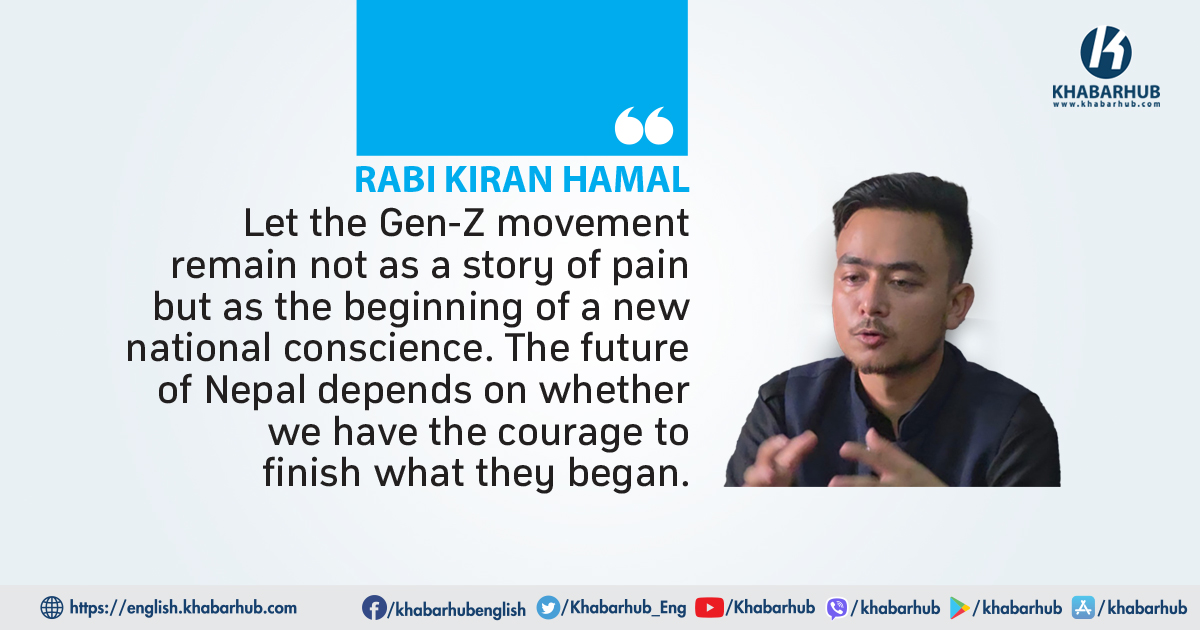
Let the Gen-Z movement remain not as a story of pain but as the beginning of a new national conscience. The future of Nepal depends on whether we have the courage to finish what they began.





Comment