




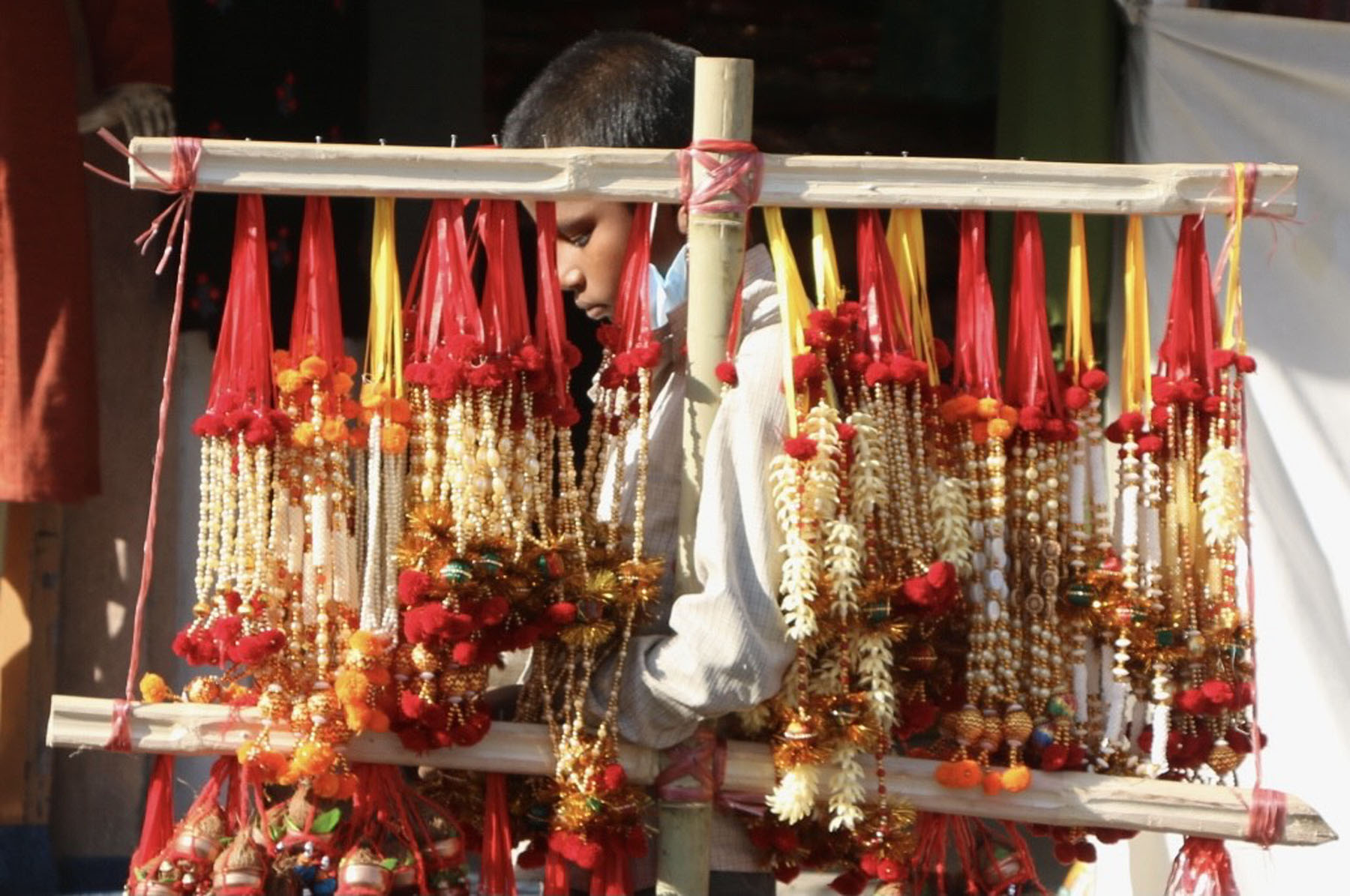
KATHMANDU: Tihar, the second-largest festival celebrated by Nepali Hindus, begins today. Also known as Yama Panchak, the five-day-long festival honors various deities, animals, and familial bonds through rituals, lights, and cultural traditions.
The first day of Tihar is observed as Kaag Tihar, during which crows—believed to be messengers of both good and bad news—are fed as a gesture of respect.
The second day, Kukur Tihar, is dedicated to worshipping dogs, acknowledging their loyalty and role as protectors. On the third day, Gai Tihar and Laxmi Puja are celebrated by worshipping cows and Laxmi, the goddess of wealth, symbolizing prosperity and abundance.
The fourth day marks Goru Puja, the worship of oxen. However, in the Newar community, this day is observed as Mha Puja, a unique ritual dedicated to the purification and honoring of one’s own soul.
The final and most emotional day is Bhai Tika, when sisters offer Tika to their brothers, praying for their long life and well-being. According to the Nepal Calendar Fixation Committee, the auspicious time for Bhai Tika this year is at 11:39 AM on October 23.
Tihar is also widely known as the festival of lights. During the celebration, homes are adorned with colorful lights, garlands, and diyas (oil or butter lamps), symbolizing the victory of light over darkness. People enjoy festive delicacies such as sweets and sel roti, a traditional rice-based ring-shaped bread.
The festival is also marked by Deusi-Bhailo, a traditional singing and dancing custom performed in neighborhoods by groups of children and adults. Worship of various animals and birds throughout the festival reflects the deep cultural reverence for nature in Nepali society.






Comment