




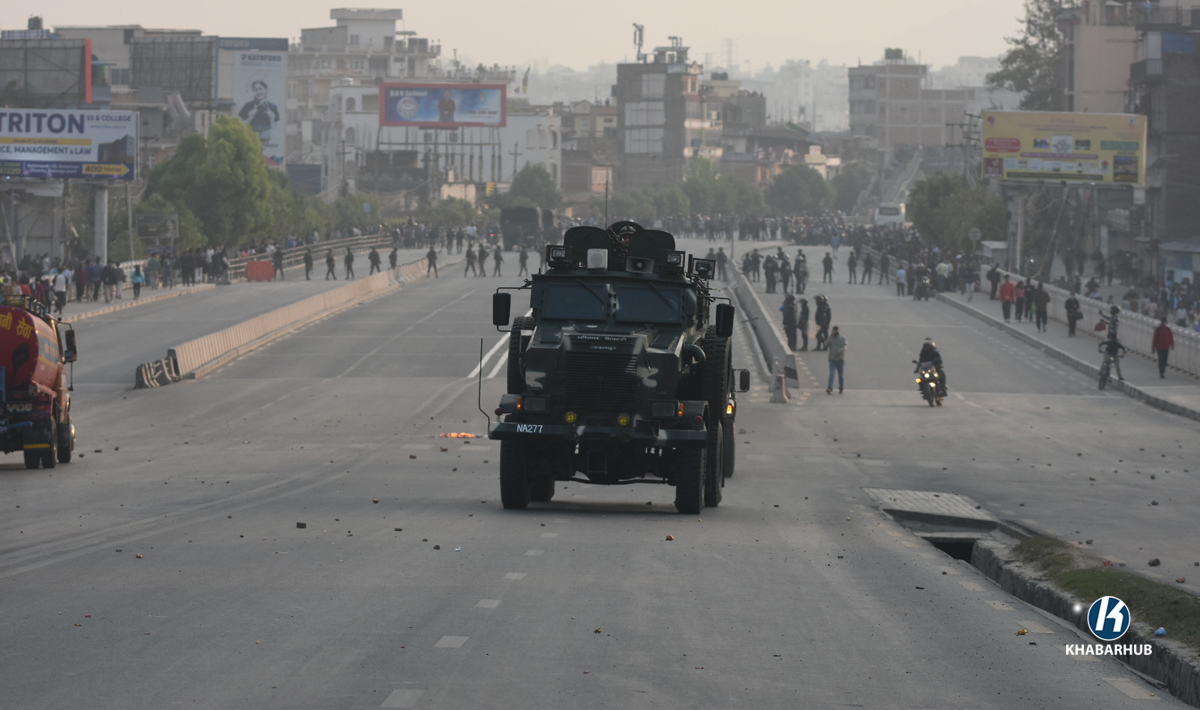
KATHMANDU: The violent Gen-Z protests of September 8 and 9 left a deep scar on Nepal’s capital, claiming the lives of 74 people, including protesters, prisoners, and law enforcement personnel, and triggering widespread destruction across key government institutions.
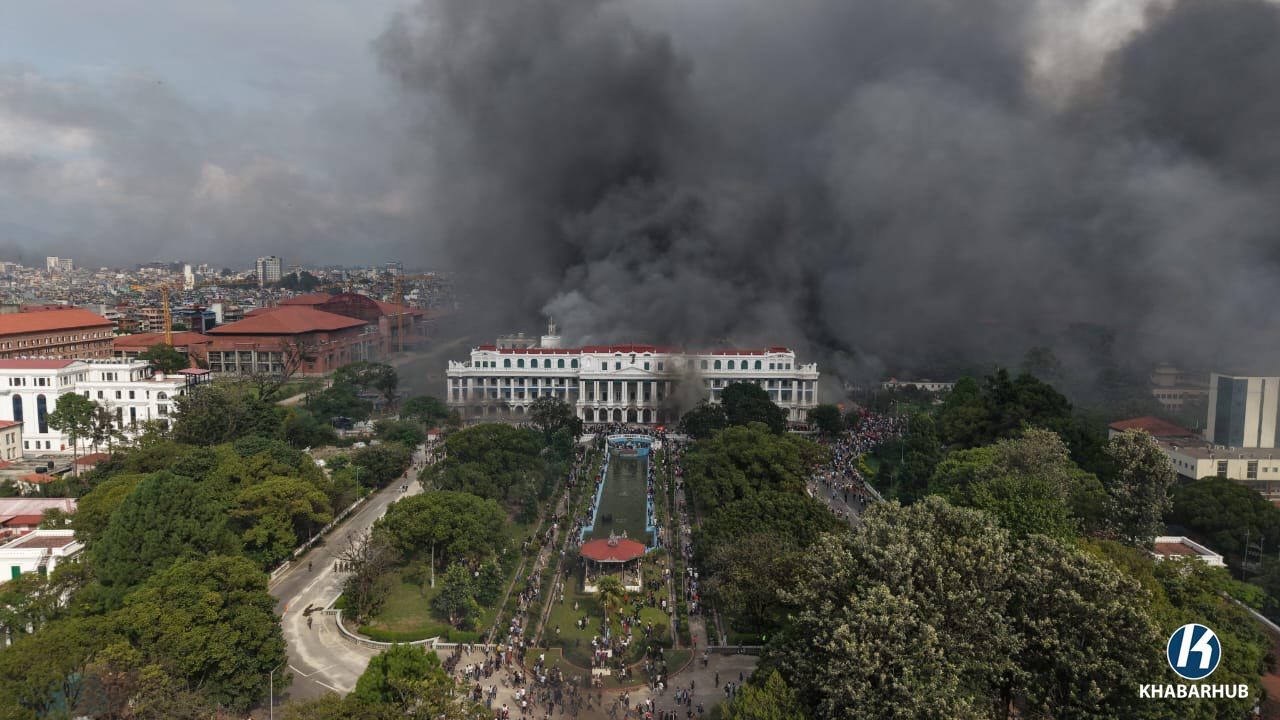
Amid the country’s grief, questions have emerged over why the Nepali Army did not intervene as Singha Durbar, the nation’s central administrative complex, and other critical state buildings were set ablaze.
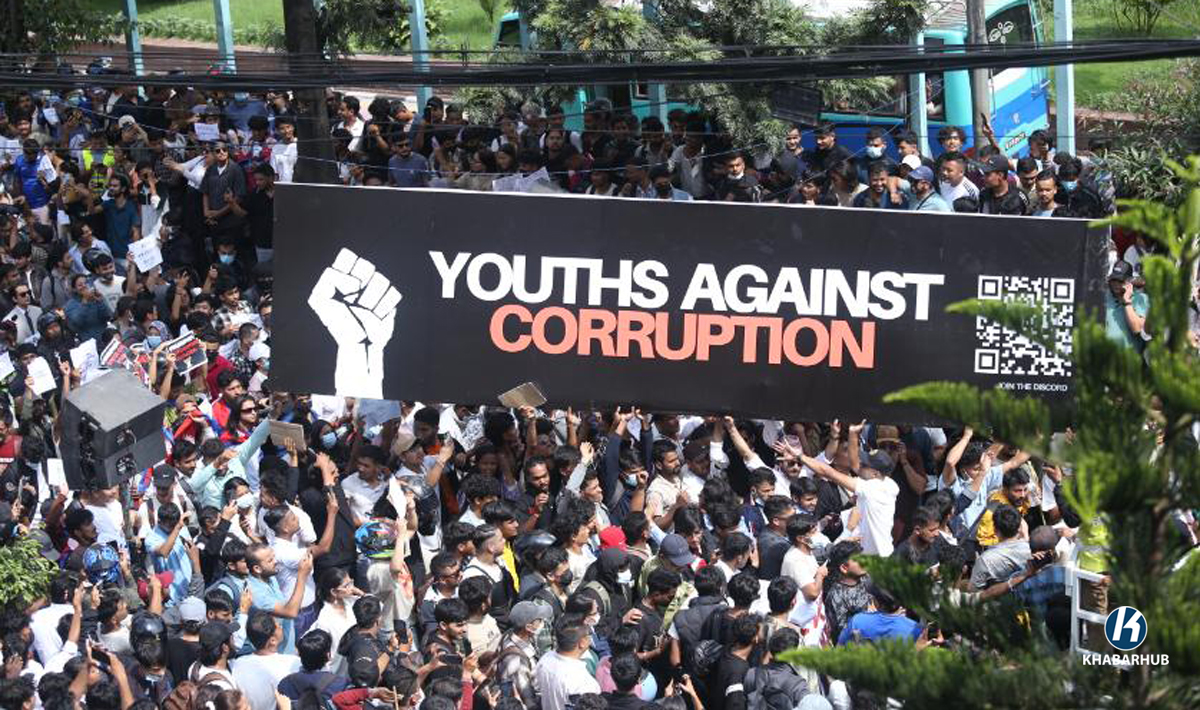
The unrest began on September 8, when Gen-Z activists gathered at Maiti Ghar to protest against corruption, misgovernance, unemployment, and social media restrictions. Initially numbering around 20,000, the protesters advanced toward New Baneshwor in the afternoon, joined by other unidentified groups.
The demonstration, which had started peacefully with flower garlands and handshakes with police, quickly escalated as some protesters sought to breach the gates of the House of Representatives. Police tried to block them three times but were unsuccessful.
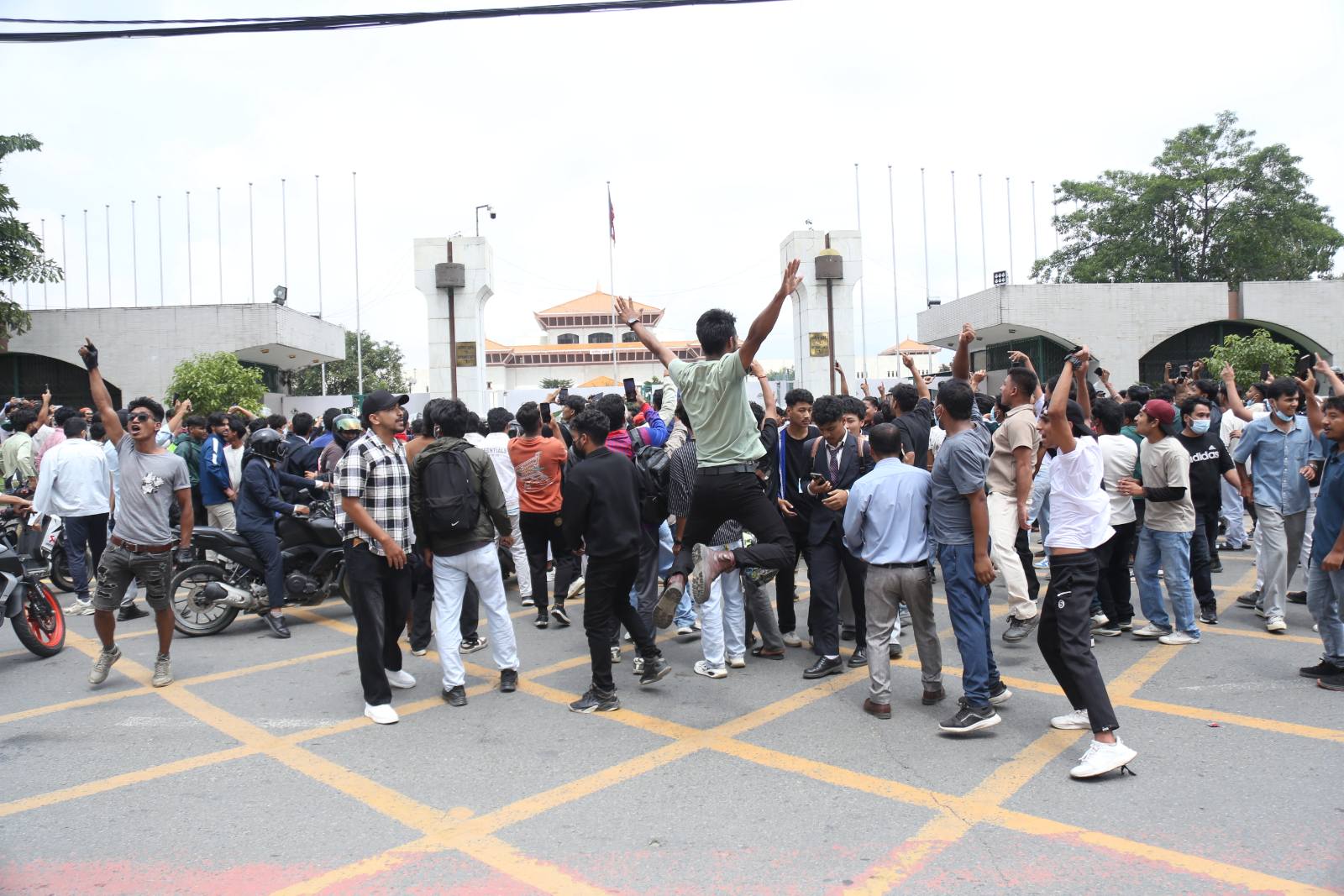
By the first day, 19 people had died from gunshot wounds, which intensified public anger. On September 9, the violence escalated dramatically. Singha Durbar, the President’s Office, the Federal Parliament, the Supreme Court, and multiple ministries, including Finance, Home Affairs, Education, and Energy, were attacked, vandalized, and set on fire.
Commercial establishments, including Bhatbhatini Supermarket outlets, were looted, and private businesses and homes of political leaders were damaged. Prison breaks occurred, with at least 15,000 prisoners fleeing nationwide, including high-profile detainees like Rabi Lamichhane, head of the Rastriya Swatantra Party, who had been imprisoned on fraud charges.
While the police confirmed that various political groups, including the Rastriya Prajatantra Party, Maoists, and the Rastriya Swatantra Party, had joined the demonstrations, the Army’s lack of action has drawn scrutiny.
Security teams under the command of the Chief of Army Staff were present inside Singha Durbar but reportedly did not attempt to defend the buildings or intervene at the Supreme Court or the President’s Office. Some eyewitnesses even noted Army personnel leaving the premises in trucks during the chaos.
Former Deputy Army Chief Ananta Karki criticized the Army’s inaction, stating, “Had the Army protected Singha Durbar, the administrative machinery of the country would not have been disrupted. This raises serious questions about the Army’s role and preparedness.”
Controversy deepened when royalist campaigner Durga Prasai, who had not participated in the protests, was allowed into the Army headquarters for dialogue with senior officers. Prasai, previously involved in politically charged incidents, had ongoing criminal cases, yet his presence raised questions about the Army’s decision-making and priorities during the crisis.
The protests also exposed significant intelligence and security lapses. Despite the presence of Nepal Police, Special Bureau, Crime Investigation Department, Central Investigation Bureau, and the Armed Police Force, none anticipated the infiltration of other groups that escalated the demonstrations into widespread violence. Former senior officials pointed out that Nepal’s intelligence apparatus has weakened over decades, with inadequate investment in systematic information gathering.
Former Deputy Inspector General Hemant Malla said, “Nepal’s intelligence has been declining since 1990. The National Investigation Department has effectively become politicized, with appointments influenced by political considerations rather than professional competence. This has limited the ability to predict and prevent such crises.”
Experts also criticized the political leadership for failing to recognize and prepare for the security threats posed by the protests. Former Deputy Army Chief Binoj Basnyat argued that the lack of strategic foresight left Nepal vulnerable. “This situation did not arise suddenly; political leaders failed to anticipate national security challenges. Leadership remained complacent, resulting in the current crisis,” he said.
Although the Army eventually took control late on September 9 and called protesters for dialogue, the delay highlighted systemic weaknesses. Analysts argue that Nepal lacks a robust, operational national security policy capable of addressing internal and external threats effectively.
While the 2016 and 2018 national security policies identified issues such as illegal foreign influence, corruption, social instability, and governance failures, these frameworks have not been effectively implemented.
The Gen-Z protests underscored how intelligence failures, unprepared law enforcement, and delayed military intervention can exacerbate civil unrest. Videos circulating online show protesters wielding not only sticks and shields but also firearms, and even wearing police uniforms, reflecting the chaotic breakdown of security protocols.
Experts agree that while the Army’s eventual intervention helped stabilize the situation, the events have exposed major gaps in Nepal’s security apparatus. Questions remain about why crucial institutions like Singha Durbar and the Supreme Court were left vulnerable and whether lessons will be learned to strengthen the country’s preparedness for future unrest.



Comment