




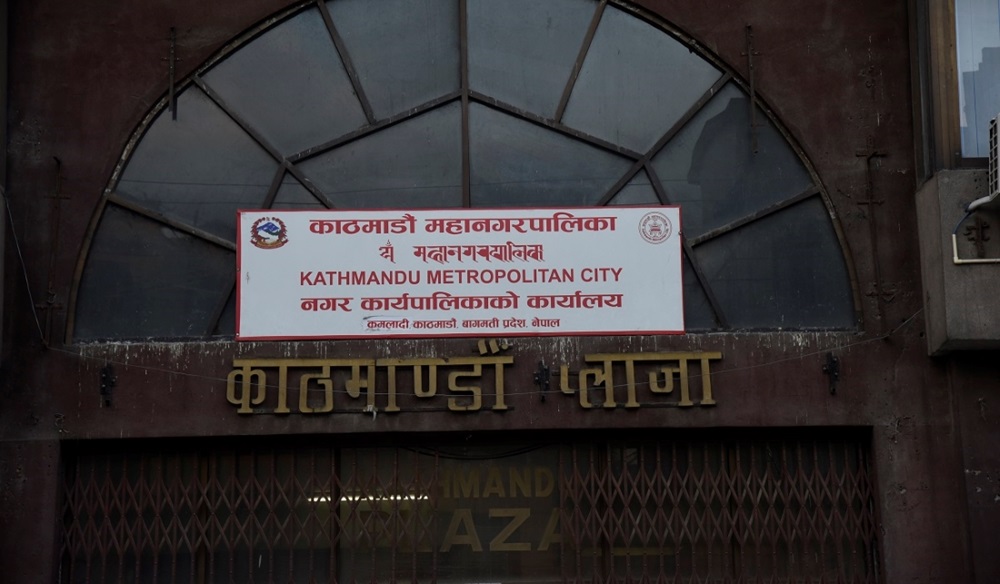
KATHMANDU: During the nationwide Gen-Z protests on September 8 and 9, which saw widespread arson and vandalism across government offices, Kathmandu Metropolitan City and its subordinate offices remained largely unscathed.
According to Kathmandu Metropolitan City spokesperson Naveen Mandhar, Ward Office 13 was completely destroyed by fire, while Ward Office 32 suffered partial damage. All other municipal offices under Kathmandu’s jurisdiction were reportedly intact.
“Ward 13 was fully destroyed, Ward 32 lost some documents, but no other offices were affected,” Mandhar said.
On September 9, the sky above the Kathmandu Valley was filled with smoke as government offices across the region went up in flames. In addition, the offices of the three major political parties in the valley, as well as the homes of several party leaders, were damaged. Against this backdrop, Kathmandu’s relative safety has emerged as a surprising exception.
Was Mayor Balen Shah a factor?
During the Gen-Z protests, Kathmandu Mayor Balen Shah stayed largely off public stages, but he remained active on social media, posting updates before and after the demonstrations regarding the political situation and government formation.
Observers have speculated that Shah’s social media presence, combined with his historical ties to Nepali Congress leader Sudan Gurung and connections within the interim government, may have played a role in ensuring that Kathmandu’s municipal offices were spared.
Many analysts suggest that the city’s relative safety could have been part of a planned protection strategy, in contrast to other municipalities and local governments in the Kathmandu Valley, which suffered extensive damage.
The sparing of Kathmandu’s municipal offices has now become a point of discussion, highlighting both the city’s unique position during the unrest and the possible influence of local leadership in mitigating damage.





Comment