




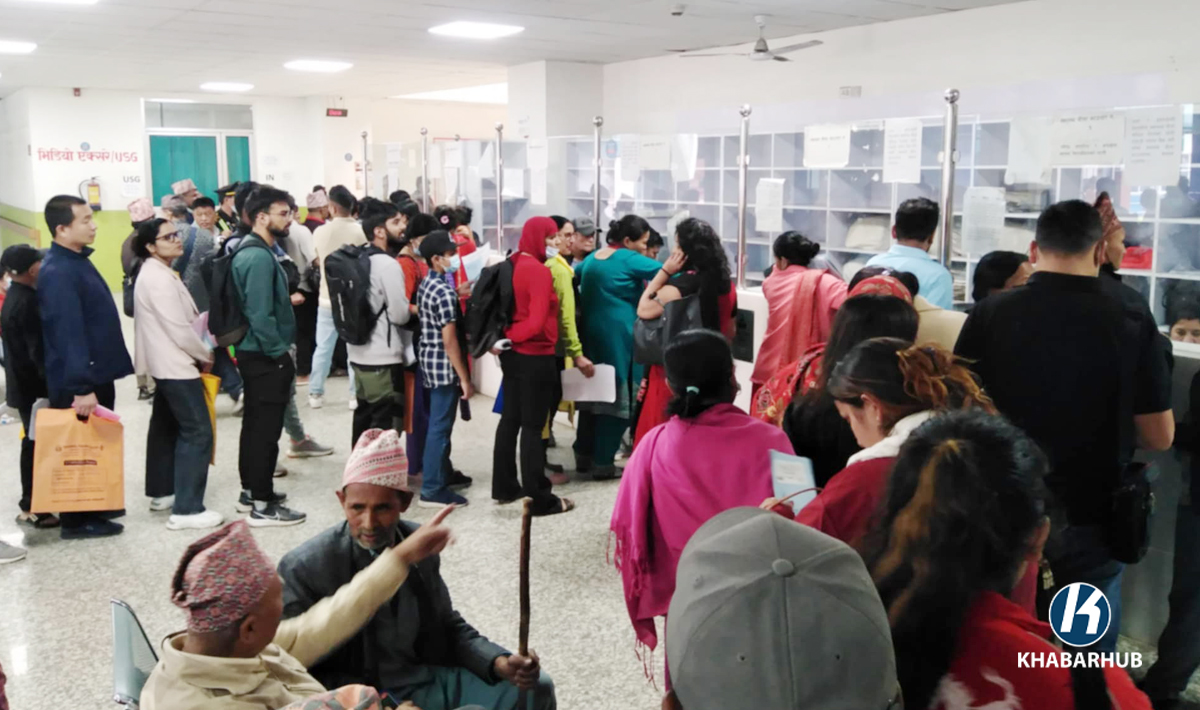
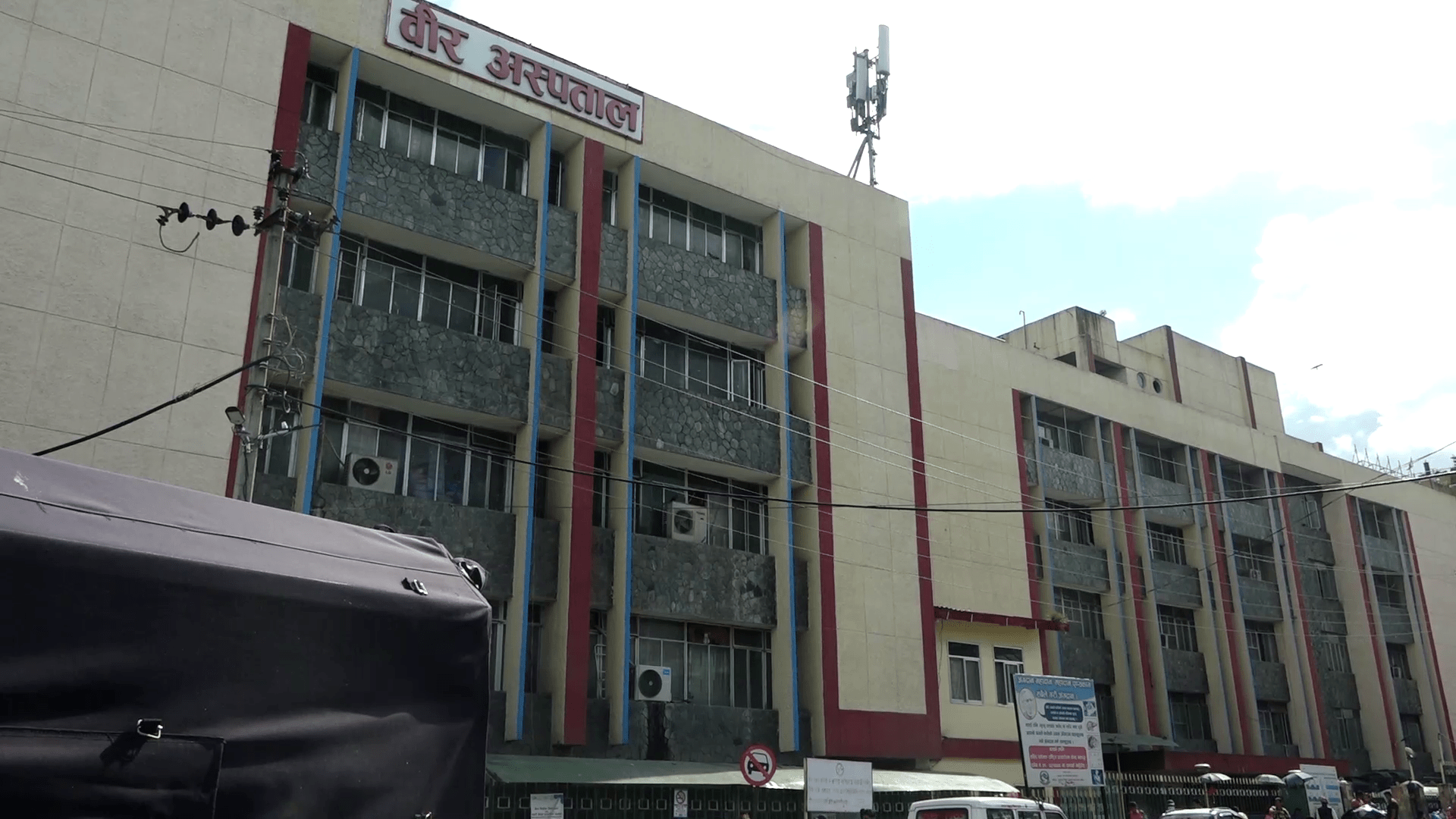
KATHMANDU: For most people, hospitals are a last resort. You only go when your body forces you to, when illness overwhelms you or when someone close to you needs urgent care. But for many who step into Kathmandu’s Bir Hospital, one of Nepal’s oldest and busiest government-run health facilities, their suffering doesn’t begin with illness. It begins with the wait.
Every day, thousands of patients arrive at Bir Hospital. They come from across the country, carrying bags and hope—hope that their pain will be diagnosed, treated, and cured. But instead of immediate care, what awaits them is a long, exhausting journey through endless queues.
The process begins as early as 7:30 in the morning. Patients queue for a digital token, the first step toward treatment. By 9:30 am, the token count often surpasses a thousand. Holding onto a small piece of paper, they then join another queue to purchase a ticket.
The ordeal continues. Once tickets are in hand, patients must find their way to the relevant department—internal medicine, orthopedics, dermatology, or others—where they stand in yet another line to be seen by a doctor.
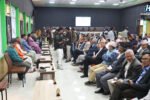
There, they may spend hours waiting, often without enough seating. Some departments have made arrangements for patients to sit, but the sheer volume means many stand for long stretches, fatigued and frustrated.
“I came here at six in the morning and only saw the doctor after 11,” says Sarita Bhandari, who traveled from Nuwakot to Kathmandu with her diabetic father. “We thought we would return by noon, but it’s already past 3 pm and we haven’t collected all the test results yet.”
By the time a doctor sees them, most patients haven’t spent money beyond the ticket fee. But if additional tests or medications are prescribed, the real challenge begins. From pathology to radiology, queues stretch endlessly. For those relying on the Health Insurance Board or Social Security Fund, the bureaucratic hurdles multiply.
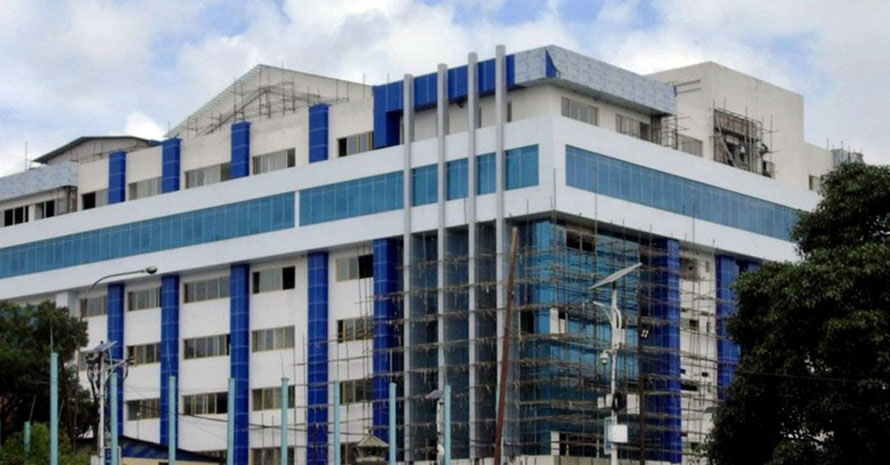
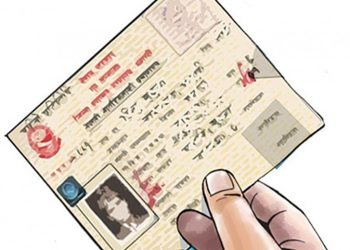
While the hospital offers discounts to insured or socially supported patients, they must first get a stamp of approval from a counter located in the new blue building. This counter, dedicated to verifying insurance and providing subsidies, is another bottleneck. Often, elderly patients and people from remote districts are seen waiting in line for hours, clutching their identity cards or referral slips.
The process is riddled with contradictions. Although Bir Hospital issues digital tokens and tickets, the verification counter does not accept digital ID cards. Only photocopies are allowed. There are no nearby photocopying services within the hospital premises, forcing many to abandon the subsidy process altogether.
“I had the digital copy of my card on my phone, but they sent me back saying they needed a photocopy,” says 62-year-old Krishna Tamang from Dolakha. “Where would I find a photocopy shop when I can barely walk?”
For many, just obtaining a subsidy stamp can take hours. And if they’re late printing their bill or paying the same day, they must return the next day and do it all over again.
Once the payments are made, there’s no guarantee that the tests will be conducted that day. Many departments are so backlogged that patients are assigned dates for basic procedures like ultrasounds, X-rays, or even blood tests. If the assigned day falls close to a public holiday, delays stretch longer. Reports, too, are slow to arrive. A thyroid test ordered on a Friday, for instance, might not be ready until Sunday due to weekend closures.
“They said the machine is not working,” one patient muttered while exiting the lab. Bir Hospital has not conducted thyroid tests for over a week, citing equipment failure.
The hospital claims to prioritize poor and disadvantaged communities. It runs a government-funded program aimed at providing free or low-cost treatment for the marginalized. But the inefficiencies embedded in the system make it nearly inaccessible.
Outside the Social Security Unit on the hospital’s ground floor, the line begins forming before noon. Many stand with bags, water bottles, and blankets—signs that they’ve traveled far and intend to stay. Yet, at 12 pm sharp, the staff disappears for a one-hour lunch break. The very hour when patients expect some momentum is lost to an empty office.
“We’ve been standing here since 10 AM,” says Gita Pariyar from Sarlahi. “The staff went for lunch just when it was our turn. We don’t have a place to sleep here; we have to spend extra just to stay the night.”
By day’s end, many patients have not even begun their actual treatment. What should be a place of healing becomes a place of waiting, frustration, and often despair. The lack of coordination, poor digital integration, and shortage of staff worsen an already overwhelmed system.
Bir Hospital remains a lifeline for thousands who cannot afford private healthcare. But for now, its service delivery fails to match the promise. What happens inside its corridors is not just a medical story—it’s a story of systemic neglect, logistical failure, and invisible suffering.
The queues at Bir are not just lines; they are a symbol of a healthcare system struggling under its own weight. Until significant reforms are made—from streamlined digital systems to adequate staffing and infrastructural upgrades—patients will continue to suffer, not from disease alone, but from the long wait to be treated for it.



Comment