




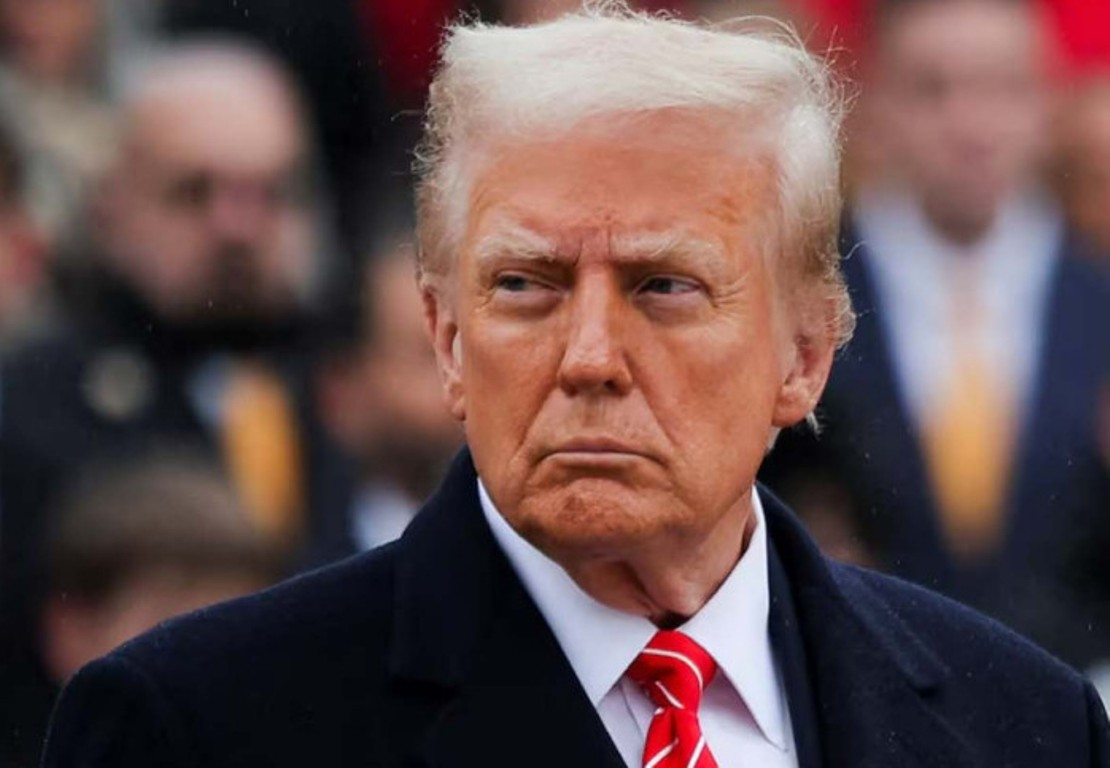
FLORIDA: US President Donald Trump has filed a $10 billion defamation lawsuit against the British Broadcasting Corporation (BBC), accusing the public broadcaster of misleadingly editing his January 6, 2021, speech in a documentary aired last year.
The lawsuit, filed in a federal court in Miami, has triggered debate over media accountability, free speech protections, and the financial risks facing the UK’s publicly funded broadcaster. Here is what is known so far.
Why Florida?
Trump filed the case in Florida, where he is a legal resident and where he has previously sued US media organisations.
His legal team argues that significant portions of the BBC’s Panorama documentary, broadcast in October 2024, were filmed in Florida, including footage around Trump’s Mar-a-Lago resort. They say this gives Florida courts jurisdiction over the case.
Trump did not pursue legal action in the UK, where defamation claims generally must be filed within one year of publication, a deadline he missed.
What is Trump alleging?
The lawsuit centres on an edited segment of Trump’s January 6 speech, delivered shortly before the storming of the US Capitol.
Trump claims the documentary spliced together two separate parts of the speech to falsely suggest he explicitly encouraged supporters to attack the Capitol while Congress was certifying Joe Biden’s 2020 election victory.
The lawsuit alleges the edit was a “false, defamatory, deceptive, inflammatory and malicious” act designed to damage Trump’s reputation and interfere in the 2024 US presidential election.
Trump argues the broadcast harmed his standing as a “politician, leader, and businessman,” despite the fact that he went on to win the election. His team also acknowledges they were apparently unaware of the documentary for nearly a year after it aired.
Can Trump win the case?
Legal experts say the BBC has a strong defence.
Although the BBC previously apologised for what it described as an editing “mistake,” it has rejected the lawsuit and says it will contest the claim vigorously.
The broadcaster argues the documentary did not air in the United States and that its streaming platform is inaccessible outside the UK.
Trump counters that US viewers could access the programme using virtual private networks (VPNs) or through the BBC’s international distribution channels.
However, Canadian company Blue Ant, which owns the documentary’s international rights, said none of its buyers aired the programme in the US.
Legal analysts note that defamation cases involving public figures in the US are difficult to win. A 1964 Supreme Court ruling requires plaintiffs to prove “actual malice”, that the publisher knowingly spread false information or acted with reckless disregard for the truth.
Trump has filed multiple lawsuits against US media outlets in recent years, including CNN and The New York Times, though none have yet gone to trial.
Could British taxpayers foot the bill?
The BBC is largely funded through a mandatory annual licence fee paid by UK households.
Some commentators have warned that the legal costs of fighting, or settling, the lawsuit could put additional strain on the broadcaster’s finances and potentially increase the £174.50 annual licence fee.
Trump has already secured major settlements from US networks. In December 2024, ABC News agreed to pay $15 million, while CBS settled another defamation case for $16 million earlier in the year.
Why the timing matters
The lawsuit comes at a sensitive moment for the BBC.
The UK government has launched a review of the BBC’s Royal Charter, which governs the broadcaster’s mission, funding, and independence. The current charter expires in 2027, with major debates expected over editorial priorities and the licence fee model.
The case also follows the resignation of BBC Director-General Tim Davie, who stepped down after controversy surrounding the edited documentary.
The BBC is already under financial pressure. Its income fell by about 30 percent in real terms between 2010 and 2020, and lawmakers recently revealed the corporation loses more than £1 billion annually due to licence fee evasion.
As the legal battle unfolds, the case is expected to test the limits of cross-border defamation law—and further intensify scrutiny of the BBC’s editorial standards at a critical juncture for the institution.






Comment