




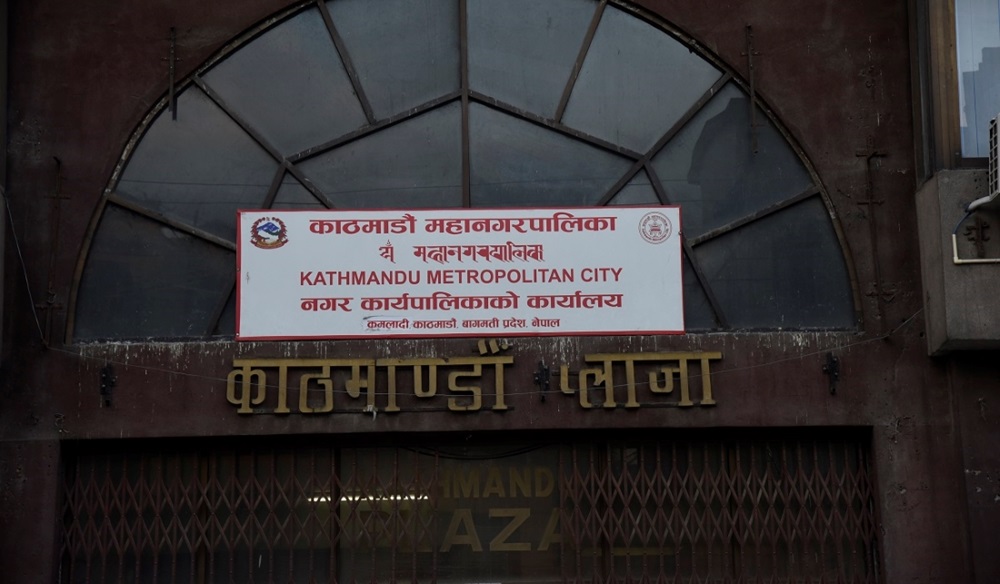
KATHMANDU: Kathmandu Metropolitan City (KMC) Deputy Mayor Sunita Dangol has directed officials to ensure that the production, marketing, and distribution of sanitary pads are linked with locally made products, supporting women-led entrepreneurship and sustainable health practices.
Addressing the Social Development Department, Deputy Mayor Dangol emphasized the importance of laboratory testing for the pads produced by entrepreneurs trained under KMC’s programs. Once quality standards are confirmed, these pads are to be distributed to girls in community schools in coordination with the Education Department, following the prevailing procurement laws.
“This approach not only ensures access to sanitary hygiene for schoolgirls but also strengthens the local economy and promotes women’s skills and knowledge,” said Dangol, citing the Sanitary Pad Distribution and Management Procedure that encourages the use of local resources.
In fiscal year 2023/24, KMC distributed sanitary pads to 19,946 girl students across 86 community schools, based on applications and data from the Integrated Educational Management Information System.
A total of Rs 14.361 million was allocated to schools for this purpose allowing the local level to disburse funds directly.
The distribution program — active in KMC schools since 2019 — aims to ensure clean, quality, and environmentally friendly menstrual hygiene solutions.
It is governed by the Sanitary Pad Distribution and Management Directive issued by the Ministry of Education, Science and Technology, which mandates the formation of a distribution committee led by the deputy mayor. The committee also includes one executive member and two school principals.
According to Govindra Prasad Sharma, head of the Education Department, schools are required to maintain and submit distribution records, with each eligible girl student receiving up to 16 pads per menstrual cycle.
While several schools have submitted the necessary documentation, others are still pending. KMC believes that this initiative has greatly benefited adolescent girls, improving their comfort, dignity, and school attendance during menstruation.





Comment