




KATHMANDU: Nepal has officially begun electricity exports to Bangladesh, marking a significant step in regional energy trade.
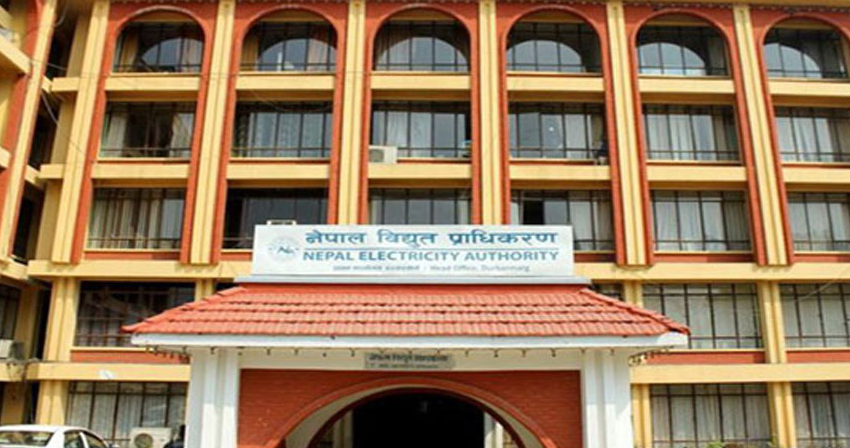
The Nepal Electricity Authority (NEA) began exporting 40 megawatts of electricity to Bangladesh via India’s transmission network starting Sunday (June 15).
Last year, Nepal exported electricity to Bangladesh for the first time—12 hours on a single day, November 4—following a tripartite power sale agreement between NEA, the Bangladesh Power Development Board (BPDB), and India’s NTPC Vidyut Vyapar Nigam Limited (NVVN). This year, exports will continue for five months, from mid-June to mid-November.
Energy, Water Resources, and Irrigation Minister Deepak Khadka hailed the development as a milestone.
“Exporting surplus electricity during the rainy season to Bangladesh, in addition to India, is a proud moment for the nation and a sign of prosperity for the entire energy sector,” he said. “Electricity is one of the key sectors where we can reduce imports by boosting our exports.”
Under last year’s agreement, Nepal committed to exporting 18.60 MW from the Trishuli Hydropower Station and 21.40 MW from the Chilime Hydropower Project, totaling 40 MW.
According to NEA Deputy Manager Subarna Sapkota, Nepal will export 146.88 million units of electricity over the five-month period, earning an estimated Rs 1.29 billion in revenue. The electricity is sold at 6.40 US cents per unit.
The power will flow from Nepal’s 400 kV Dhalkebar substation, through India’s Muzaffarpur and Behrampur substations, and into Bangladesh’s Bheramara substation.
This renewed export deal marks a strategic achievement in Nepal’s broader energy roadmap. The government’s Energy Development Roadmap 2081 BS envisions producing 28,500 megawatts of electricity by 2035, with a goal of exporting 15,000 megawatts.
Energy experts believe that sustained electricity exports will help Nepal balance seasonal energy production, ensure greater utilization of hydropower capacity, and strengthen the national economy.





Comment