




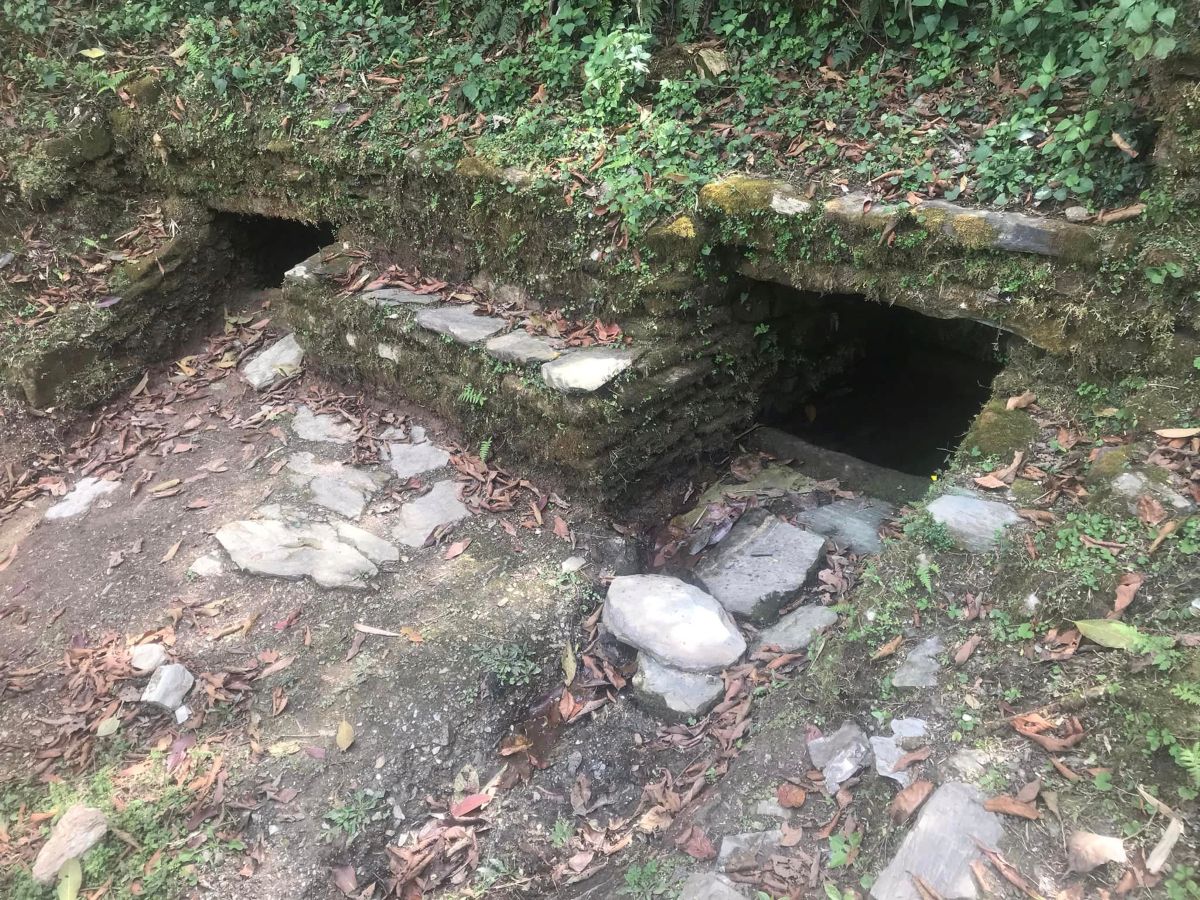
MYAGDI: Over the past three decades, more than two dozen wells and water srpings in the historic Jyamrukkot area of Myagdi have been destroyed, raising concerns about water scarcity and heritage loss.
Locals report that four ancient wells and other historical structures built by King Bardibham Malla in the 17th century have been lost in Jyamrukkot, once a powerful settlement under the Parbat kingdom.
Eighty-five-year-old local resident Bed Prasad Upadhyay said over 20 traditional water sources—wells, ponds and water springs—constructed by the community have disappeared due to the expansion of road networks and other infrastructure projects.
“By 2050 BS, the wells and ponds in places like Gaushwara, Tamane, Sanalekh, Bhakunde, Phaparkhet, Rohote, Khabara, and Bagarphant were gone. The few that remain are gradually filling up,” he said.
“We face increasing water shortages, yet centuries-old sources are vanishing. Preserving them could have ensured access to clean and cool water.”
Located in Beni Municipality-2, Jyamrukkot is known for its natural beauty, biodiversity, and cultural heritage.
However, according to social worker Bhim Bahadur Poudel, heritage structures such as wells and ponds are disappearing due to unchecked construction of motor roads and tourism infrastructure.
Residents of Jyamrukkot have not relied on well water for over 30 years. The few remaining wells are in a state of neglect. Teacher Tika Bahadur Karki emphasized the need to conserve such traditional resources amid growing water shortages.
Chandra Bahadur Karki of Khabara, Beni Municipality-2, stressed that environmental impact assessments and the protection of natural and cultural heritage should be integrated into all development activities.
He expressed concern not only over the loss of wells and ponds but also the disappearance of temples, statues, courtyards, water mills, ghats, spinning houses, and stone canals that once defined village life.






Comment