




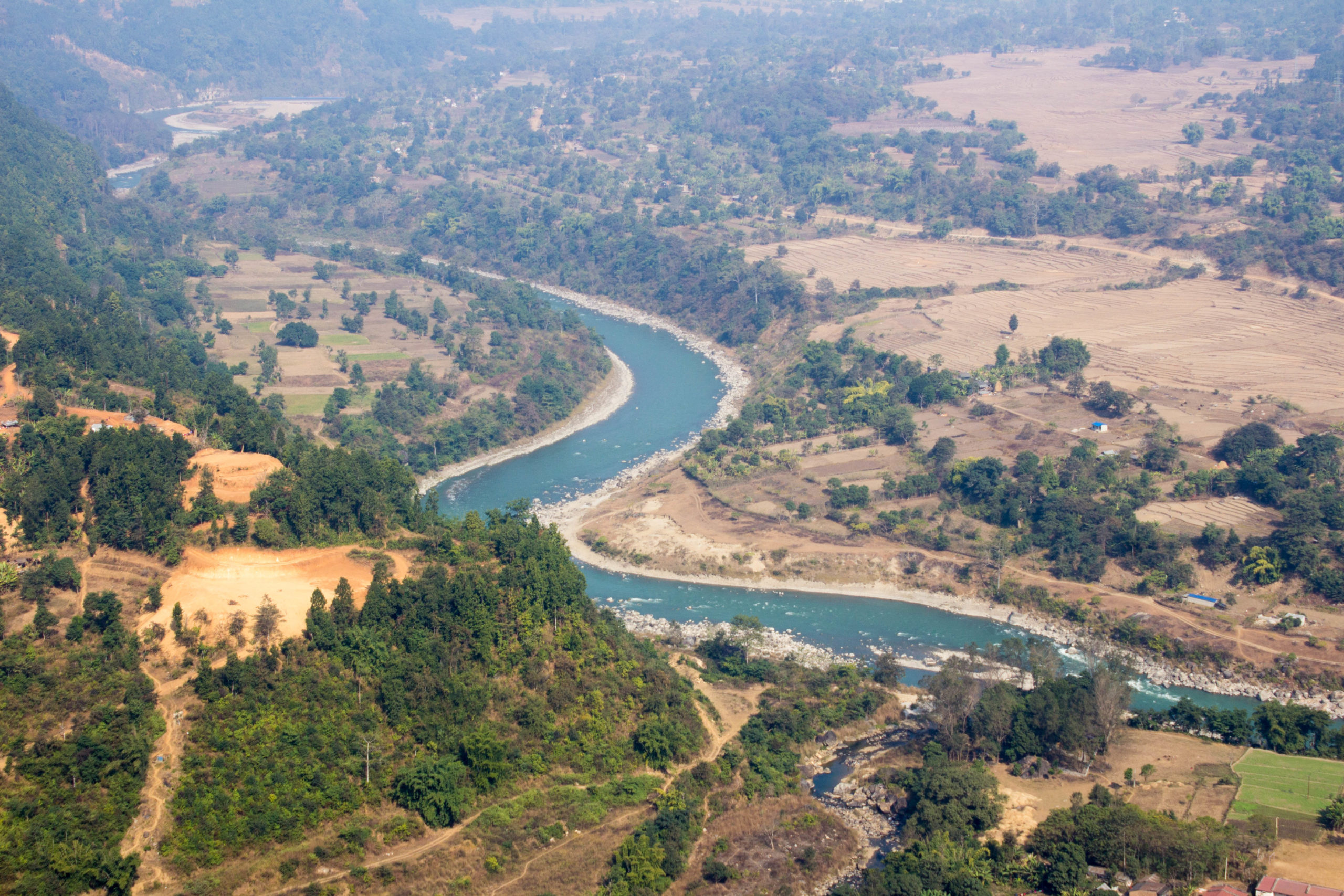
KATHMANDU: Water resource experts have raised concerns over the lack of necessary environmental flow (e-flow) in Nepal’s rivers and streams, particularly those diverted for hydropower, irrigation, or drinking water projects.
Despite existing policies, the neglect of e-flow is endangering ecosystems, aquatic biodiversity, and the livelihoods of communities reliant on these water systems.
Environmental flow refers to the volume, timing, and quality of water needed to sustain river ecosystems and associated human activities.
In South Asia, cultural and spiritual needs are also intricately tied to river flows. While e-flow does not demand the restoration of pre-development water regimes, it seeks to balance ecosystem health and human needs, beyond simply supplying water for energy, irrigation, or consumption.
Nepal’s hydropower policy mandates that projects maintain at least 10 percent of a river’s natural flow as e-flow.
However, a study conducted by Dr Deep Narayan Shah from Tribhuvan University revealed that around 80 percent of surveyed hydropower projects fail to meet this requirement, especially during winter and dry seasons.
Rivers rendered nearly waterless by diversion have led to the disappearance of fish and other aquatic species. Local farming communities are also being deprived of irrigation facilities, worsening their agricultural challenges.
The Ministry of Environment and Water Resources found that a lack of clear rules, guidelines, and effective monitoring mechanisms has contributed to the widespread disregard for e-flow regulations.
In a country where about 160 hydropower plants generating 3,000 MW are operational, and projects with a total capacity of 10,000 MW are under construction, the issue of e-flow compliance is critical.
Preparations are also underway for additional projects with a combined capacity of 8,000 MW, further emphasizing the need for sustainable water management practices.
At a workshop organized by the Ministry of Environment and Water Resources and Irrigation, experts stressed that water should only be consumed after ensuring that rivers are kept alive in a sustainable manner. They highlighted the importance of incorporating provisions for e-flow in the new Water Resources Bill currently under parliamentary review.
Former Water Resources Minister Deepak Gyawali emphasized the need for localizing projects by addressing the concerns of as many local communities as possible when preparing and implementing Environmental Impact Assessments (EIA).
Public awareness campaigns and training for stakeholders, along with strict enforcement of e-flow regulations, are vital to safeguarding Nepal’s river ecosystems.
Experts believe that maintaining e-flow is not only an ecological necessity but also a way to protect the livelihoods of those who depend on rivers while preserving the country’s natural and cultural heritage for future generations.





Comment