




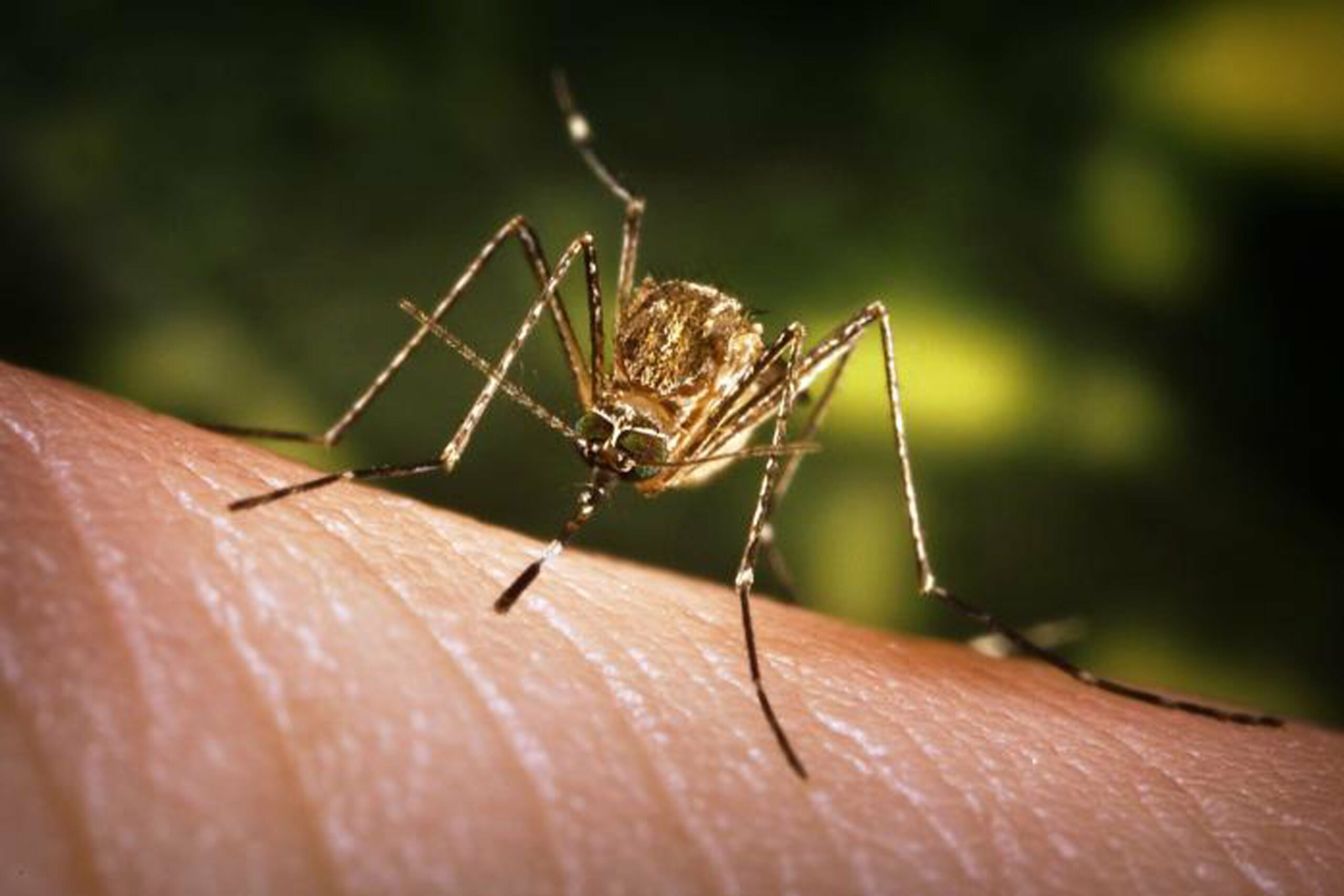
KATHMANDU: A total of 31 people have died from Japanese Encephalitis infections across Nepal so far this year, the highest death toll in the past decade, according to Dr. Abhiyan Gautam, chief of the Child Health and Immunization Section under the Department of Health Services.
By comparison, 25 deaths were reported in 2024, seven in 2023, and one in 2017, while no fatalities were recorded between 2018 and 2022.
“This is the highest number of deaths from Japanese Encephalitis in ten years,” said Dr. Gautam. “Most of the victims were over 40 years old and unvaccinated.”
According to the Department, 164 infection cases have been confirmed this year, compared to 86 cases last year. Dr. Gautam noted that in some individuals who had been vaccinated years ago, the vaccine’s effectiveness may have waned, leading to severe infection and death.
Japanese Encephalitis has now spread to 110 municipalities across 42 districts, with 28 districts classified as high-risk. The disease is most prevalent during the monsoon and post-monsoon months, from July to November.
Provincial data show that Koshi Province reported four deaths, Madhes three, Bagmati five, Gandaki five, Lumbini eleven, Karnali one, and Sudurpaschim two.
Dr. Gautam said officials are studying possible reasons behind the rising infection rate. “We are investigating whether the increase is linked to higher mosquito activity or to the presence of pigs and ducks, which are known carriers of the virus,” he added.
Currently, about 82 percent of Nepali children have received the JE vaccine. Nepal introduced the vaccine into its national immunization program in 1998 for children under one year of age, and it is administered regularly to those under five.
Japanese Encephalitis was first detected in Nepal in 1978 in Rupandehi District, while the disease was first reported in Japan in 1861. According to Dr. Gautam, infections began to rise significantly in Nepal after the 1990s, prompting the government to expand its vaccination program nationwide.





Comment