




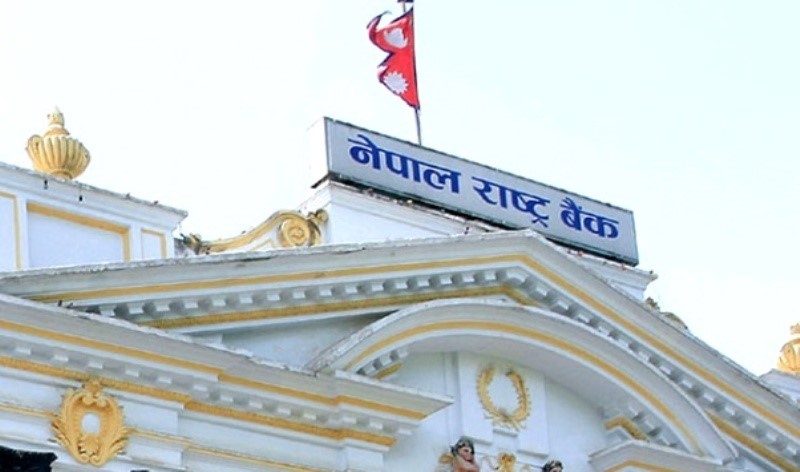
KATHMANDU: Despite facing international scrutiny over financial transparency, Nepal’s coalition government led by Sher Bahadur Deuba and Prime Minister KP Sharma Oli has failed to appoint a new Governor for Nepal Rastra Bank (NRB) on time.
The delay raises questions about the government’s commitment to financial reform, especially as the country remains on the Financial Action Task Force’s (FATF) ‘grey list.’
Outgoing Governor Maha Prasad Adhikari’s term ended on April 6, but no permanent replacement has been named. In the interim, Senior Deputy Governor Neelam Dhungana has been appointed acting governor, a move critics say reflects the government’s lack of urgency and seriousness.
According to Section 25 of the Nepal Rastra Bank Act, 2002, the government is required to appoint a new governor one month before the position becomes vacant. However, despite having ample time, the coalition has missed the deadline, signaling what many experts say is a troubling pattern of indecision and politicization.
The delay comes at a critical time for Nepal. FATF, the global money laundering and terrorism financing watchdog, has once again placed Nepal on its grey list, citing insufficient action on suspicious financial transactions. To be removed, Nepal must fulfill seven key commitments—tasks in which NRB plays a central role.
Observers say the appointment process has been mired in political calculations, with lobbying intensifying behind the scenes. Multiple names are reportedly in the running—some allegedly backed by powerful middlemen and interest groups with histories of questionable financial dealings.
“The delay in appointing a new governor shows that financial transparency is not a priority,” said former NRB Governor Dr. Chiranjeevi Nepal. “This government talks about prosperity, but in reality, it’s more focused on political settings than economic stability.”
Dr. Nepal warned that the increasing influence of middlemen and the lack of transparency within political parties themselves have deepened public distrust. “They seem to want someone who will manage information for them, not manage the economy,” he added.
Data from NRB’s Financial Information Unit shows a steep rise in suspicious transactions in recent years—from just over 1,000 in 2016/17 to more than 7,300 in 2023/24, most through Class-A commercial banks. FATF has explicitly asked Nepal to take concrete legal and regulatory actions against individuals involved in such financial crimes.
Yet, the government has shown little urgency. The three-member Governor Recommendation Committee—formed on March 24 and led by Finance Minister Bishnu Paudel—has yet to meet. The committee includes former governor Vijayanath Bhattarai and economist Biswo Poudel, who has close ties to Congress President Deuba.
Critics argue that the delay is intentional, part of a broader effort to find a politically loyal appointee rather than a professionally competent one. Biswo Poudel, in particular, has come under scrutiny for his proximity to political power despite losing a recent election.
The central bank’s role in ensuring compliance with FATF standards is critical—not only for Nepal’s financial integrity but also for its access to international banking systems, aid, and investment.
“Choosing a governor isn’t just about internal policy—it’s about Nepal’s global credibility,” said a senior economist, requesting anonymity. “The longer this process is delayed, the more it signals to the world that Nepal is unserious about reform.”
Former Governor Nepal summed up the prevailing sentiment: “Middlemen are always active, but ultimately, it’s up to political leadership to resist them. The question is—will they?”





Comment